Gateway of India
About
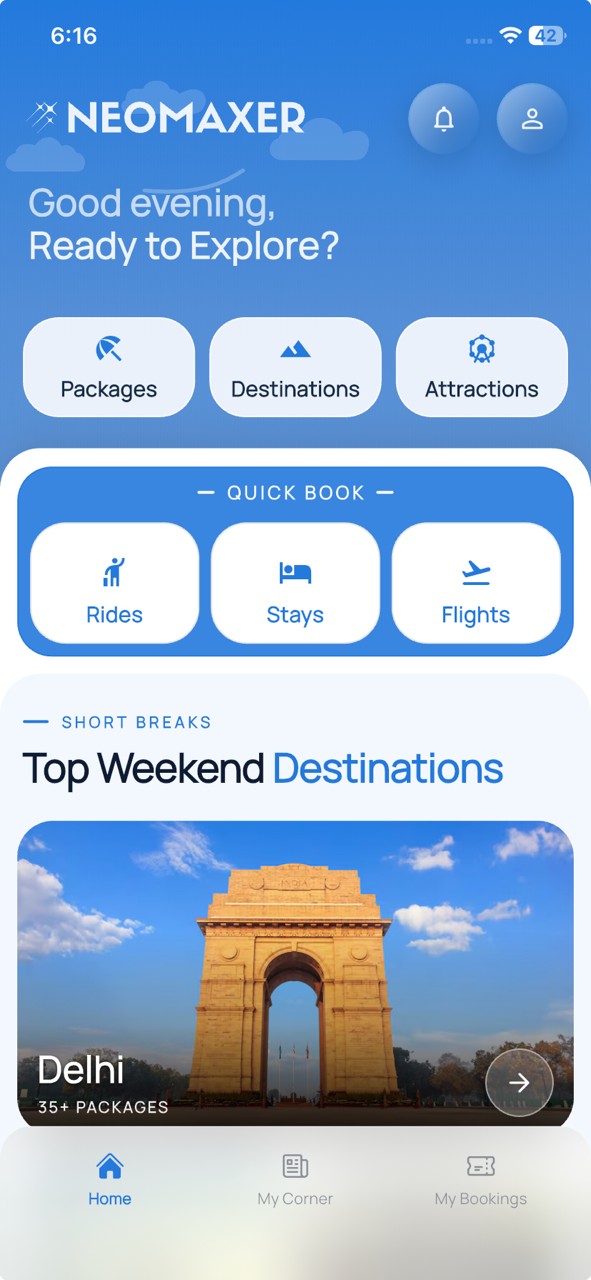
The Gateway of India stands as a basalt giant against the Arabian Sea. The salty breeze carries the cries of seagulls and the distant hum of the city. This monument is the crown jewel of Mumbai tourism. Any comprehensive Mumbai travel guide suggests arriving at dawn to watch the sun glow behind the yellow basalt arch. As one of the top attractions in Mumbai, it is a staple in most Mumbai tour packages. Nearby, iconic Mumbai hotels offer a glimpse into the city's grand past. One of the essential things to do in Mumbai is boarding a ferry here for a scenic Mumbai trip. While the best time to visit Mumbai is during the cooler months, this landmark remains a highlight of Mumbai sightseeing. For those on Mumbai holidays, it is among the most historic places to visit in Mumbai. To visit Mumbai truly starts here.

Highlights
What makes this place special

Indo-Saracenic Architecture
The 26-meter arch blends European, Hindu, and Islamic design elements the central dome is Mughal, the decorative lattice work is Hindu, and the overall form is triumphal European.

Taj Mahal Palace Hotel Backdrop
The Gateway and the iconic red-domed Taj Hotel together form one of the most recognized architectural pairs in Asia especially stunning when illuminated at night.

Arabian Sea Waterfront
The promenade around the Gateway offers sweeping views of Mumbai's harbor, with ferries, fishing boats, and naval vessels creating a constantly changing maritime scene.
Things to Know
- •Visit early morning or late evening to avoid massive crowds
- •The Taj Mahal Palace Hotel next door offers high tea with Gateway views
- •Ferry boats to Elephanta Caves depart from the jetty beside the Gateway
- •The area is beautifully illuminated at night
- •Beware of touts selling overpriced boat rides — use official ferry counters
- •Combine with a walk through Colaba Causeway for shopping and cafes