
Srinagar


Packages for Srinagar
Curated travel packages
 4D 3N
4D 3NKashmir Weekend Escape
Four Days. Endless Views. A Perfect Himalayan Reset.
 6D 5N
6D 5NKashmir Family Holiday
A Journey Through Meadows, Mountains & Memories
 6D 5N
6D 5NRomantic Kashmir Escape
Where Every Lake Reflects a Love Story
 7D 6N
7D 6NKashmir Adventure Expedition
Beyond the Postcards, Into the Wild
 7D 6N
7D 6NLuxury & Heritage of Kashmir
Live Like Royalty. Discover the Soul of the Valley.
Places to stay in Srinagar
Things to Do in Srinagar
Top activities and experiences

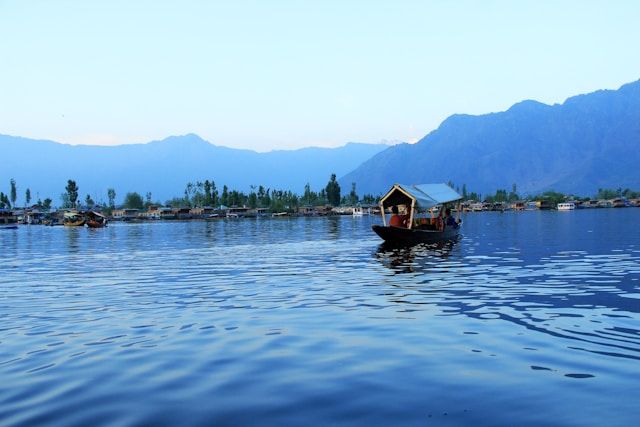
Dal Lake & Shikara Ride

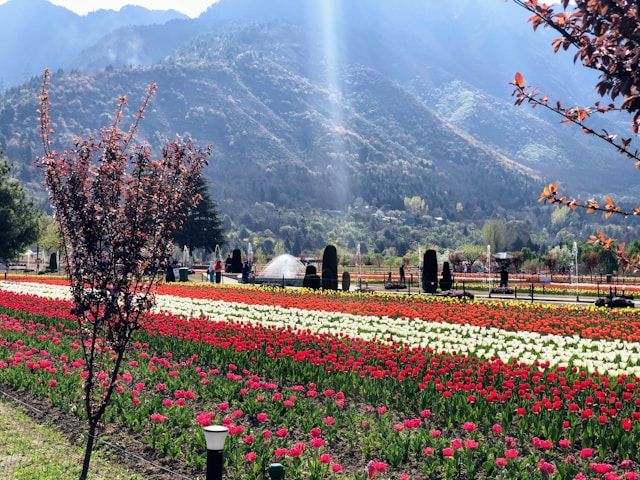
Mughal Gardens (Nishat, Shalimar, Chashme Shahi)

Hazratbal Shrine

Lal Chowk

Skiing in Gulmarg

Shikara Ride on Dal Lake

Village Experiences in Gurez Valley

Trekking to Thajiwas Glacier

Floating Market Srinagar

Mughal Garden Tour
Quick facts about Srinagar
Local weather

broken clouds
Humidity
77%
Wind
0.38 m/s

General info
Time zone
IST
Currency
INR
Official languages
Kashmiri, Urdu, Hindi, English
Best time to visit
MAR-JUN
Recommended trip duration
5 days
Travel insights about Srinagar
Travel guides, tips, and stories

A Floating Market Where Bargaining Happens Boat to Boat
Dal Lake’s floating market runs at dawn, where farmers arrive by shikara to sell fresh vegetables directly to buyers. Trading happens quietly on the water, usually between 5 and 7 AM. Visitors can watch the process by boat, following local etiquette and timing it right for weather and light.

This Garden of Bliss in Srinagar Also Happens to Be UNESCO-Listed
Nishat Bagh lies on the edge of Dal Lake with twelve Mughal-era terraces rising toward the Zabarwan hills. Built in 1633 by Asif Khan, the garden uses gravity-fed water channels, stone cascades, and open sightlines, earning its place on UNESCO’s tentative list.

The Best Places to Witness the Vibrant Eid Preparations in Srinagar
Srinagar’s Eid preparations are a soulful blend of spring renewal and ancient tradition. As the holiday approaches on March 20, the historic Lal Chowk and Maharaj Bazar pulse with energy as families shop for fine pashminas and vibrant perfumes. The air in Downtown is thick with the scent of fresh bakery treats like golden sheermal and flaky bakarkhani. For a truly unique experience, witness the floating markets on Dal Lake at dawn, where shikaras are laden with festive essentials amidst the mist.
FAQs about Srinagar
April to October is the most popular period, with spring flowers, pleasant weather, and lush landscapes. Winter (December to February) is ideal for snowfall and frozen lake views.
2 to 3 days are enough to explore Dal Lake, Mughal Gardens, Old Srinagar, and local markets. Many travelers combine Srinagar with Gulmarg, Sonamarg, and Pahalgam for a 5 to 7-day Kashmir trip.
Yes. A shikara ride on Dal Lake is one of Srinagar's signature experiences. It offers views of floating gardens, houseboats, mountains, and local life on the lake.
Yes. Staying in a traditional houseboat on Dal Lake or Nigeen Lake is one of the most popular experiences in Srinagar. Options range from budget stays to luxury heritage houseboats.
Srinagar is famous for Dal Lake, houseboats, shikara rides, Mughal Gardens, Kashmiri handicrafts, saffron, dry fruits, and traditional Kashmiri cuisine.
Dal Lake is larger, more famous, and offers the classic Srinagar experience. Nigeen Lake is quieter, less crowded, and preferred by travelers looking for a peaceful stay.
Yes, Srinagar receives thousands of domestic and international tourists every year. Travelers should check current travel advisories and follow local guidelines during their visit.
- Dal Lake
- Mughal Gardens (Shalimar Bagh, Nishat Bagh, Chashme Shahi)
- Hazratbal Shrine
- Shankaracharya Temple
- Pari Mahal
- Nigeen Lake
- Old Srinagar Markets
- Floating Vegetable Market
The Floating Market is an early morning market on Dal Lake where local farmers sell fresh vegetables and flowers directly from their boats. It is one of the most unique experiences in Srinagar.
Popular dishes include:
- Rogan Josh
- Gushtaba
- Rista
- Yakhni
- Kashmiri Pulao
- Kahwa
- Wazwan cuisine
Yes. Snow-covered mountains, frozen sections of Dal Lake, winter houseboat stays, and nearby snow destinations like Gulmarg make winter one of the most scenic times to visit.
You can see major attractions in a day, but staying at least two nights is recommended to experience the lake, gardens, local culture, and houseboat lifestyle.
- Pashmina shawls
- Kashmiri carpets
- Saffron
- Walnut wood carvings
- Papier-mâché handicrafts
- Dry fruits
- Kashmiri tea blends
Yes. Houseboat stays, shikara rides, mountain views, Mughal Gardens, and nearby destinations like Gulmarg and Pahalgam make Srinagar one of India's most popular honeymoon destinations.
Srinagar has an international airport with direct flights from major Indian cities. It is also connected by road to Jammu and other parts of Kashmir. The nearest railway station is currently at Banihal, with the Kashmir rail network expanding further.
- Start the day early, especially for Dal Lake. Locals go before 8 AM because the water stays calmer, the light looks softer, and the crowds arrive later.
- Confirm shikara prices before sitting down. Many locals fix the rate, duration, and route clearly upfront to avoid “extra charges” at the end.
- Skip the loudest “tourist food streets” for real Kashmiri meals. Ask for small family-run spots in Rajbagh, Bemina, or old city lanes for better taste and calmer seating.
- Carry cash for markets and small vendors. Card machines and UPI can fail in busy areas or during network issues, especially near lakeside stalls.
- Pack layers even in summer. Srinagar evenings turn cool quickly, and locals always keep a light jacket or shawl ready.
- Shop smart at Lal Chowk and nearby lanes. Locals compare prices across 2 to 3 shops, bargain politely, and ask for authenticity proof for saffron, pashmina, and dry fruits.
- Plan around prayer timings on Fridays near major mosques. Traffic and crowds increase, so locals pick sightseeing areas away from those routes during peak hours.
- Keep a buffer for movement across the city. Srinagar looks small on maps, but bridges, narrow roads, and evening traffic can make short distances take longer than expected.