
India
To visit India is to collide with a kaleidoscope. It is a sensory ambush where the scent of parched earth meets the musk of sandalwood, and the "Pink City" of Jaipur glows like a sunset carved into stone. In the morning mist of the Ganges, time dissolves into liquid copper. You navigate a rhythmic madness: the metallic clatter of tea glasses, the neon blur of silk saris, and the salt-spray of the southern coasts. From the white silence of the Himalayas to the spice-heavy air of a Delhi bazaar, India offers no half-measures. It is a land where the ancient and the electric live in a breathless sprawl. You arrive seeking a destination, but you leave wearing the dust of a thousand stories. India is not merely a place you see; it is a fever dream of gold and grit that ensures you never wake up quite the same.


Packages in India
Curated trips across India's top cities
 6D 5N
6D 5NMeghalaya Romance Escape
 6D 5N
6D 5NMeghalaya Family Escape
 6D 5N
6D 5NMeghalaya Adventure Expedition
 6D 5N
6D 5NMeghalaya Luxury Escape
 6D 5N
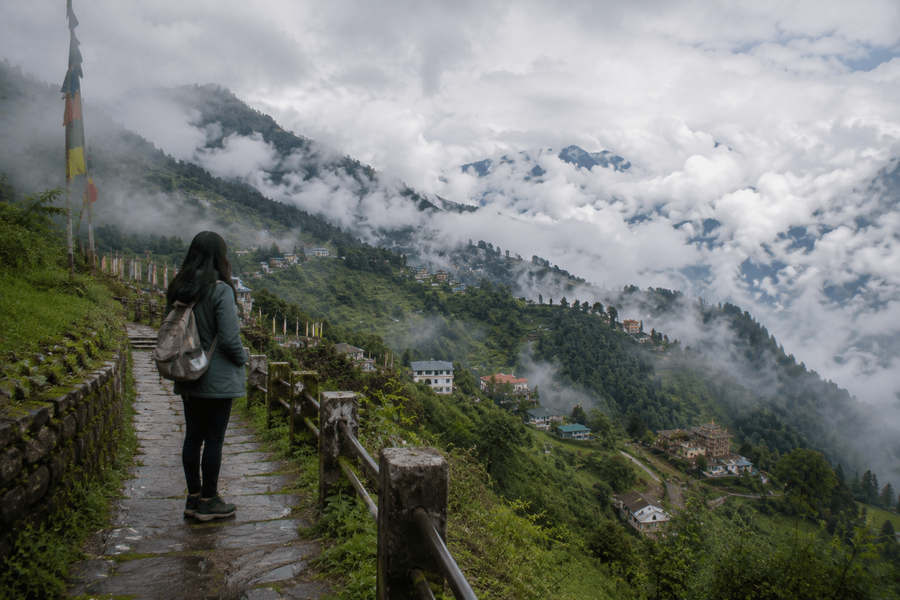
6D 5NSikkim in the Clouds
 7D 6N
7D 6NRomance in the Himalayas
 6D 5N
6D 5NCoorg, Wayanad & Ooty Family Escape
 7D 6N
7D 6NSikkim Himalayan Explorer
Things to Do in India
Top activities and experiences across India

Belum Caves
A proper underground experience where the air cools down, light disappears, and the cave stretches longer than most people expect. It’s one of those places that makes you talk less without trying.

Taj Mahal
The Taj is Agra’s main moment, especially at sunrise when the dome turns pale pink and the Yamuna sits quietly behind it.

Ayodhya Ram Mandir
This is the biggest spiritual draw in the city and the main reason many people now visit Ayodhya. The temple is grand, emotional, and deeply important for devotees of Lord Rama.

Triveni Sangam
Triveni Sangam in Prayagraj is the confluence of the three sacred rivers, the Ganga clear, the Yamuna darker, and the mythical Saraswati underground, where the waters visibly mix in distinctive colour patterns, making it the spiritual centre of Prayagraj tourism and Prayagraj sightseeing. The site is one of the most sacred in Hinduism, with bathing here believed to grant salvation, and it remains the most important of all places to visit in Prayagraj. Boat rides from Saraswati Ghat take pilgrims to the exact confluence point, where they can take holy dips in the merged waters, which is one of the key things to do in Prayagraj and a defining part of a Prayagraj trip. The site is active throughout the year but reaches its peak during the Kumbh Mela cycles, when hundreds of millions of pilgrims gather in one of the largest peaceful events in human history, making it a major highlight in Prayagraj travel guide experiences and one of the top attractions in Prayagraj.

Mangalajodi Bird Village
Mangalajodi is a small village located on the western edge of Chilika Lake and stands as one of the most inspiring chapters in the larger Chilika lake story. Once known as a hub for illegal bird hunting, the village has transformed into a model of community led conservation. For those asking Chilika lake in which district, Mangalajodi falls within Khordha district of Odisha. Former hunters now work as trained guides, leading visitors in traditional flat bottomed wooden boats across the shallow wetlands of Chilika Lake. These quiet rides allow close observation of more than 300 species of birds. Winter months bring vast congregations of ducks, waders, and flamingos, while summer reveals resident species and nesting colonies. Though Chilika lake dolphins are mainly seen near Satpada, Mangalajodi remains unmatched for birding experiences.

Chittorgarh Fort
Chittorgarh Fort stands as one of the grandest heritage landmarks in the Chittorgarh state of Rajasthan, spreading across nearly 700 acres atop a 180 metre high hill. Built in the 7th century, the mighty Chittorgarh fort remained under the rule of the Mewar dynasty until 1568 and reflects the legacy of every major Chittorgarh king who defended its walls. Within the complex lie 65 historic structures that define the most important Chittorgarh places, including 4 palaces, 19 shrines considered part of the wider Chittorgarh temple heritage, 4 memorials, and 22 water bodies designed for long sieges. Entry happens through seven massive gates known as pols, each constructed as a defensive checkpoint. For travellers planning places to visit in Chittorgarh in 1 day, the fort itself contains several of the top 5 places to visit in Chittorgarh.

The Lotus Temple
Imagine stepping out of Delhi’s nonstop traffic and suddenly standing before a giant white lotus rising against the sky. That is the magic of the Baha'i Lotus Temple. Its smooth marble petals curve gracefully outward, twenty seven in total, forming a structure that looks delicate yet monumental at the same time. Surrounded by clear blue pools and manicured lawns, the temple feels almost surreal in the middle of the city. What makes it even more powerful is what happens inside. There are no idols, no rituals, no loud ceremonies. People of all religions are welcome to sit quietly in the vast prayer hall. The silence is deep and calming, broken only by the soft sound of footsteps. It feels like the city has paused for a moment. The Lotus Temple is not just about architecture, though it is a masterpiece of modern design. It is about stillness. It is about taking a breath. Before heading back into Delhi’s noise and movement, this peaceful space gives you a rare chance to slow down and simply exist.

Sri Krishna Matha
The Sri Krishna Matha was founded in 1238 by Madhvacharya, the 13th-century philosopher-saint who established the Dvaita (dualist) school of Vaishnava thought. The temple houses a black-stone image of Krishna as a child with a churning rod (said to have been discovered by Madhvacharya inside a block of gopi-chandana mud that washed ashore). Unusually, devotees view the deity only through a nine-window screen; the 'Navagraha Kitaki and the temple is administered by the eightfold Ashta Matha system where each math supervises in rotation for two years. The biennial Paryaya festival, when administration passes to a new math, is one of the most atmospheric religious events in Karnataka.

Ganga Aarti at Dashashwamedh Ghat (or Assi Ghat)
Fire, conch shells, chanting, and rows of lamps that make the riverfront glow orange this is the “Varanasi at night” moment people talk about.

Nilgiri Mountain Railway
The Nilgiri Mountain Railway is a 46-kilometre meter-gauge toy train that climbs from Mettupalayam in the plains to Ooty at 2,200 meters, making it one of the top attractions in Nilgiris. The route passes through 16 tunnels, over 250 bridges, and gradients so steep that a rack-and-pinion system is used for traction. Built by the British between 1891 and 1908, it was inscribed as a UNESCO World Heritage Site in 2005. The journey takes about five hours and crosses jungle, tea gardens, and shola forest, with frequent stops at stations that look unchanged since the colonial era.

Taj-ul-Masjid
Taj ul Masjid, meaning Crown of Mosques, is one of the largest mosques in India and a defining landmark of Bhopal city. Commissioned in 1868 by Shah Jahan Begum, the third Nawab Begum of Bhopal, and completed in 1971, the mosque reflects the grand Islamic heritage that shapes the identity of the Bhopal capital. For those asking Bhopal in which district, this monumental structure stands in Bhopal district and dominates the skyline of the historic old quarters. Built in pink sandstone, it features towering minarets, an expansive courtyard that can hold around 175,000 worshippers and one of the largest pulpits of its kind in South Asia. Each year, the Aalami Tablighi Ijtima gathers here, drawing over a million participants from around the world and reinforcing the spiritual significance of the Bhopal city name in Islamic scholarship.

BRT Tiger Reserve Safari
The BRT Tiger Reserve spans 540 square kilometres across the Biligiriranga Hills in Chamarajanagar district, for those asking Biligiriranga hills which district. Positioned at the rare ecological meeting point where the Biligiriranga hills part of Eastern Ghats connect with the Western Ghats, the reserve answers the question of Biligiriranga hills part of which range by embodying characteristics of both mountain systems. This unique junction supports one of the most biodiverse ecosystems in peninsular India. Safari jeeps operate morning and afternoon from the K Gudi camp, and visitors are advised to confirm Biligiriranga hills timings for entry and wildlife drives. The landscape ranges from dry deciduous forest to moist woodland, creating ideal habitats for tigers, leopards, gaur, elephants and dholes, along with over 270 recorded bird species. Many travellers combine a safari with a visit to the nearby Biligiriranga hills temple at the summit for a complete hill experience.