
Manali


Packages for Manali
Curated travel packages
 4D 3N
4D 3NGroup Trip - Manali
Mountain Roads, Adventure Days & Unforgettable Group Memories
 4D 3N
4D 3NAdventure Trip - Manali
Misty Valleys, Local Flavors, Heritage Walks & Budget-Friendly Hillside Charm
 3D 2N
3D 2NCamping / Glamping Manali Trip
Sightseeing, Camping, Bonfire, Premium Stays
 4D 3N
4D 3NExperience the Culture of Manali
Ancient Castles, Hidden Art, Soul of the Himalayas
 6D 5N
6D 5NHimalayan Family Adventure
Toy Trains, Pine Forests & Mountain Memories
 5D 4N
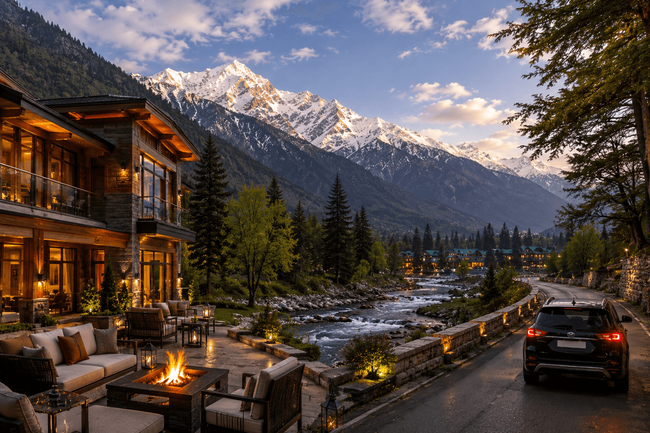
5D 4NLuxury Manali Escape
Luxury Mountain Roads, Snow Valleys & Riverside Himalayan Escapes
Places to stay in Manali
Things to Do in Manali
Top activities and experiences

Solang Valley

Hadimba Temple

Naggar Castle

Jana Waterfall

Old Manali Cafés

Paragliding in Solang Valley

River Rafting on Beas River

Trekking to Jogini Waterfall
Quick facts about Manali
Local weather

scattered clouds
Humidity
67%
Wind
0.31 m/s


General info
Time zone
IST
Currency
INR
Official languages
Hindi, Pahari (Kullu dialect), English
Best time to visit
OCT-MAY
Recommended trip duration
5 days
Travel insights about Manali
Travel guides, tips, and stories

Why Manali is the Perfect Summer Sanctuary from the Indian Heatwave
Manali provides a cool, soulful retreat from the intense summer heat of the Indian plains. With temperatures averaging 17°C, you can escape the heatwave by trekking through the cedar forests of Hadimba or visiting the chilly Atal Tunnel to reach Sissu. Enjoy the crisp mountain air by the Beas River or find peace in the cafes of Old Manali. This high altitude sanctuary offers a refreshing reset, blending snowy mountain vistas with lush green valleys.

Flights to Manali: From Chandigarh, Delhi, Bangalore, Hyderabad, Chennai and Mumbai: Prices, Duration & Booking Tips (2026)
Get the best flights to Manali (KUU) from Chandigarh, Hyderabad, Delhi, Chennai, Mumbai and Bengaluru. Find out how to book flights to Manali at 2026 ticket prices.

Experiencing Manali Without Fighting Traffic, Weather, and Expectations
Traffic in Manali builds around peak arrival hours, snowfall alerts, and tightly packed itineraries. Staying in quieter areas like Naggar or Vashisht, moving early in the day, and planning flexible time blocks helps travellers enjoy clear roads, better meals, and a steadier pace through changing weather.
FAQs about Manali
Manali is a year-round destination with different appeals each season. Summer (April-June) is most popular with temperatures of 10-25°C, perfect for adventure activities. Winter (December-February) brings heavy snowfall, ideal for snow sports. Monsoon (July-September) sees landslides and road disruptions avoid unless you love rain and solitude.
No, Rohtang Pass (3,978m) is typically open from May/June to October/November, weather permitting. However, the Atal Tunnel (inaugurated 2020) provides year-round access to Lahaul Valley, bypassing Rohtang entirely. A permit is required for Rohtang book online in advance as daily visitors are limited.
The nearest airport is Bhuntar (Kullu) 50 km away with limited flights from Delhi. Most travelers take an overnight Volvo bus from Delhi (12-14 hours) or drive via Chandigarh (8-10 hours). The road from Delhi via Mandi is well-maintained but winding in the final stretch.
Absolutely. Solang Valley offers gentle activities like zorbing, horse riding, and cable car rides. The Hadimba Temple, Van Vihar park, Tibetan Monastery, and Beas River walks are family-friendly. Many resorts in the Kullu-Manali corridor cater specifically to families.
Manali offers paragliding (Solang and Dobhi), river rafting (Grade II-IV on the Beas), skiing (January-March at Solang), zorbing, mountain biking, trekking (Hampta Pass, Bhrigu Lake, Beas Kund), rock climbing, zip-lining, and the iconic Manali-Leh highway road trip.
-
Rohtang plans fail more often than you think.
Weather changes suddenly, permits get delayed, and traffic jams can stretch for hours. Always keep a buffer day if Rohtang Pass is on your list. -
Old Manali and New Manali feel like two different towns.
The river literally separates the vibe. Old Manali is slower and café-heavy, while Mall Road is crowded and commercial. -
Electricity cuts still happen in peak winters.
Many smaller hotels rely on limited backup. Confirm heating arrangements before booking in December or January. -
ATM cash runs low during peak season.
Carry some extra cash, especially for local taxis and small cafés. -
Local taxi unions are strict.
Outside taxis are often not allowed for Rohtang or Solang routes. You may need to hire locally. -
October is underrated.
Clear skies, fewer crowds, and post-monsoon greenery make it one of the best months to visit. -
Night temperatures drop sharply, even in summer.
Days feel pleasant, but evenings require proper layers. -
The real beauty is outside town limits.
Villages like Sethan and Naggar offer quieter, more authentic Himalayan experiences than central Manali.