

Jibhi


Things to Do in Jibhi
Top activities and experiences

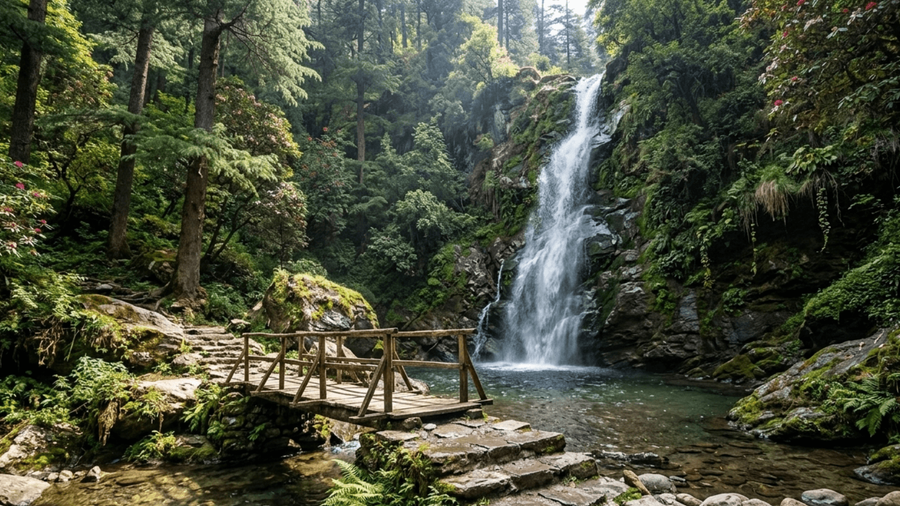
Jibhi Waterfall

Serolsar Lake & Jalori Pass

Mini Thailand

Camping in Shoja

Trek to Chehni Kothi Fort
Quick facts about Jibhi
Local weather

clear sky
Humidity
58%
Wind
0.48 m/s


General info
Time zone
IST
Currency
INR
Official languages
Hindi, Pahari, English
Best time to visit
MAR-JUN
Recommended trip duration
3 days
Travel insights about Jibhi
Travel guides, tips, and stories
FAQs about Jibhi
The Jibhi weather is pleasant from March to June. September-November is clear. The Jibhi temperature drops significantly in winter, and road access can be tricky.
The journey to Jibhi from Delhi is via an overnight Volvo to Aut; from Aut, it's a 1.5-hour drive via Banjar. Bhuntar (60 km) is the nearest airport.
Jibhi is quieter, more forested, and lacks the Israeli backpacker scene. Focus is on forest walks, cafes, and traditional villages.
-
Jibhi does not behave like a “one main market” hill station. It spreads out in tiny clusters along the road, so two stays with the same “Jibhi” address can sit 20 to 30 minutes apart by car.
-
The most beautiful cafés and cabins hide inside narrow lanes and private forest tracks. Locals call ahead for directions because Google Maps often drops pins in the wrong place.
-
Weekends bring traffic jams on the approach from Aut, and parking becomes a headache near popular photo spots. Locals do early morning drives and avoid arriving after lunch on Saturdays.
-
The Jibhi waterfall looks best right after monsoon, but the trail also gets slippery then. Locals wear proper shoes and skip the hike in heavy rain because rocks turn dangerous.
-
Nights get colder than people expect even in May and June. Locals always pack a warm layer, especially for riverside stays where cold air settles.
-
Mobile network can feel unpredictable once you step away from the main road. Locals download offline maps and do not plan time-sensitive work calls from deep-stay properties.
-
Many “offbeat” viewpoints turn crowded fast because reels made them famous. Locals go early morning for quiet photos or choose lesser-known village walks instead.
-
The best experience in Jibhi comes from slow pacing, not checklist sightseeing. Locals spend hours near the river with chai, then do one hike, then call it a perfect day.