

Ajanta Caves


Places to stay in Ajanta Caves
Things to Do in Ajanta Caves
Top activities and experiences

Ajanta Cave 26 Sleeping Buddha

Full Day Cave Exploration
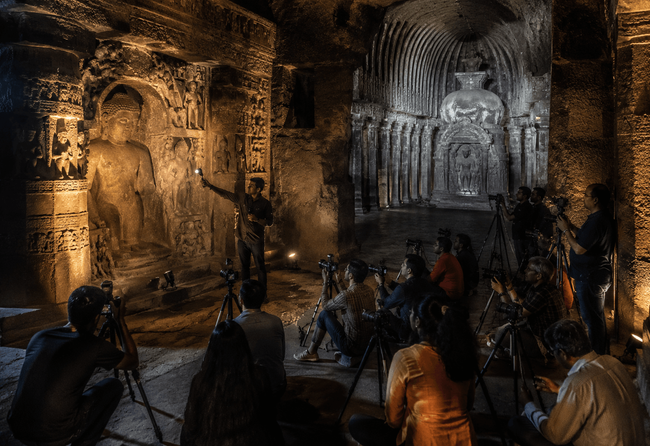
Photography Workshop (Low-Light)

Ajanta Viewpoint Hike
Quick facts about Ajanta Caves
Local weather

clear sky
Humidity
30%
Wind
1.83 m/s


General info
Time zone
IST
Currency
INR
Official languages
Marathi, Hindi, English
Best time to visit
OCT-MAR
Recommended trip duration
1 days
Travel insights about Ajanta Caves
Travel guides, tips, and stories

A Complete 3-Day Jawhar Itinerary Through Tribal Villages, Viewpoints, and Forest Roads
A detailed 3-day Jawhar itinerary covering forest drives, tribal villages, palaces, waterfalls, and viewpoints. Built for travellers who prefer quiet roads, slow mornings, and local rhythms over packed checklists and rushed sightseeing.
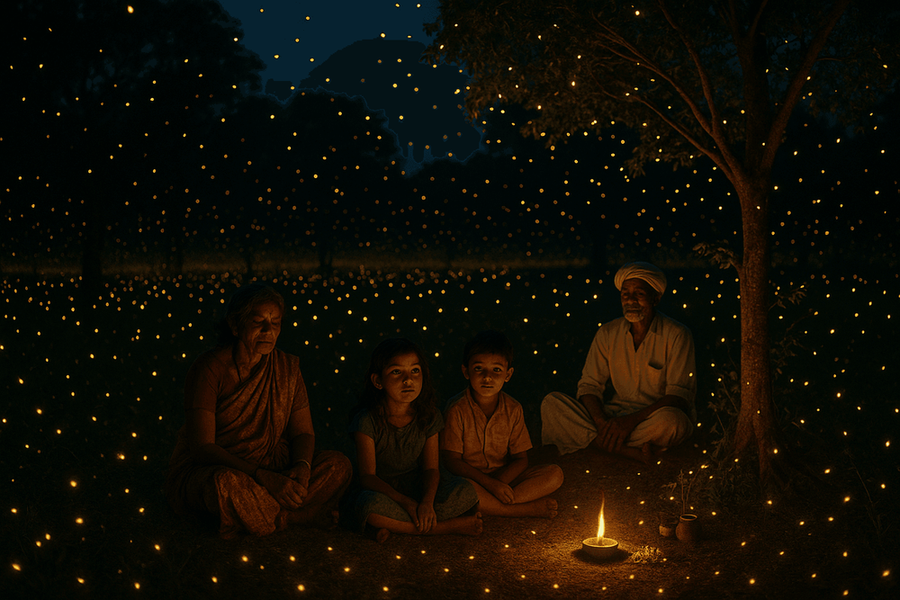
When the Night Glows: The Forgotten Festival of Fireflies
In rural India, the Festival of Fireflies is a beautiful tradition where thousands of glowing insects light up the night before the monsoons. Villagers believe these fireflies are ancestral spirits visiting to bless the land. Unlike noisy city festivals, this event is celebrated with deep silence and simple rituals. It reminds us to protect nature’s magic and stay connected to our roots through this glowing spiritual reunion.
FAQs about Ajanta Caves
October to March is considered the best time to visit Ajanta Caves for comfortable weather and heritage focused Ajanta Caves sightseeing. The caves remain closed on Mondays, so visitors planning an Ajanta Caves trip should schedule accordingly.
Aurangabad, located around 100 km away, is the nearest airport and the main gateway for Ajanta Caves tourism. By road, the journey from Aurangabad takes approximately 2.5 hours via the Jalgaon Fardapur route. Taxis, private vehicles, and guided tour buses regularly operate between Aurangabad and Ajanta.
Photography without flash is permitted inside most sections of Ajanta Caves, making it one of the favourite activities during Ajanta Caves sightseeing. However, flash photography is strictly prohibited because it can damage the ancient murals and delicate paintings that have survived for more than 2,000 years.