
A Complete 3-Day Jawhar Itinerary Through Tribal Villages, Viewpoints, & Forest Roads
Day 1: Forest Roads, Palaces, and Quiet Viewpoints
Morning Drive from Mumbai
Leave early. The city drops away quickly once the Western Ghats rise. Expect fewer fuel stations after Igatpuri, so top up before the climb.
Check-in and Local Lunch
Most stays in Jawhar are small resorts or heritage-style lodges. Meals are simple, seasonal, and filling. Rice, lentils, vegetables, and local preparations dominate.
Jai Vilas Palace
Built by the Mukne rulers, Jai Vilas Palace sits on a rocky outcrop overlooking the valley. The domes and balconies feel grand without excess. Inside, rooms open into each other without rigid barriers, reflecting how the royal household functioned more as a community than a court.
Hanuman Point and Sunset Point
These viewpoints don’t advertise themselves. Locals will point the way. Evenings are quiet, with a few families and children drifting in. On clear days, layers of hills fade from green to blue as the light drops.
Day 2: Tribal Life, Waterfalls, and Old Watchpoints
Shirpamal
Perched on Jawhar’s highest hill, Shirpamal served as a strategic watchtower during the Maratha period. The structure is simple, functional, and exposed to the wind. From here, it’s easy to understand why Jawhar was valued as a defensive stronghold.
Warli Villages and Art
Jawhar lies in the heart of Warli country. Small villages around the town still practice traditional wall painting, using rice paste and natural pigments. The figures repeat familiar forms: circles for the sun and moon, triangles for hills and trees, squares for sacred spaces.
Some families open their homes to visitors. There is no performance aspect. Conversations happen slowly, often through gestures and half-translated sentences.
Dabhosa Waterfall
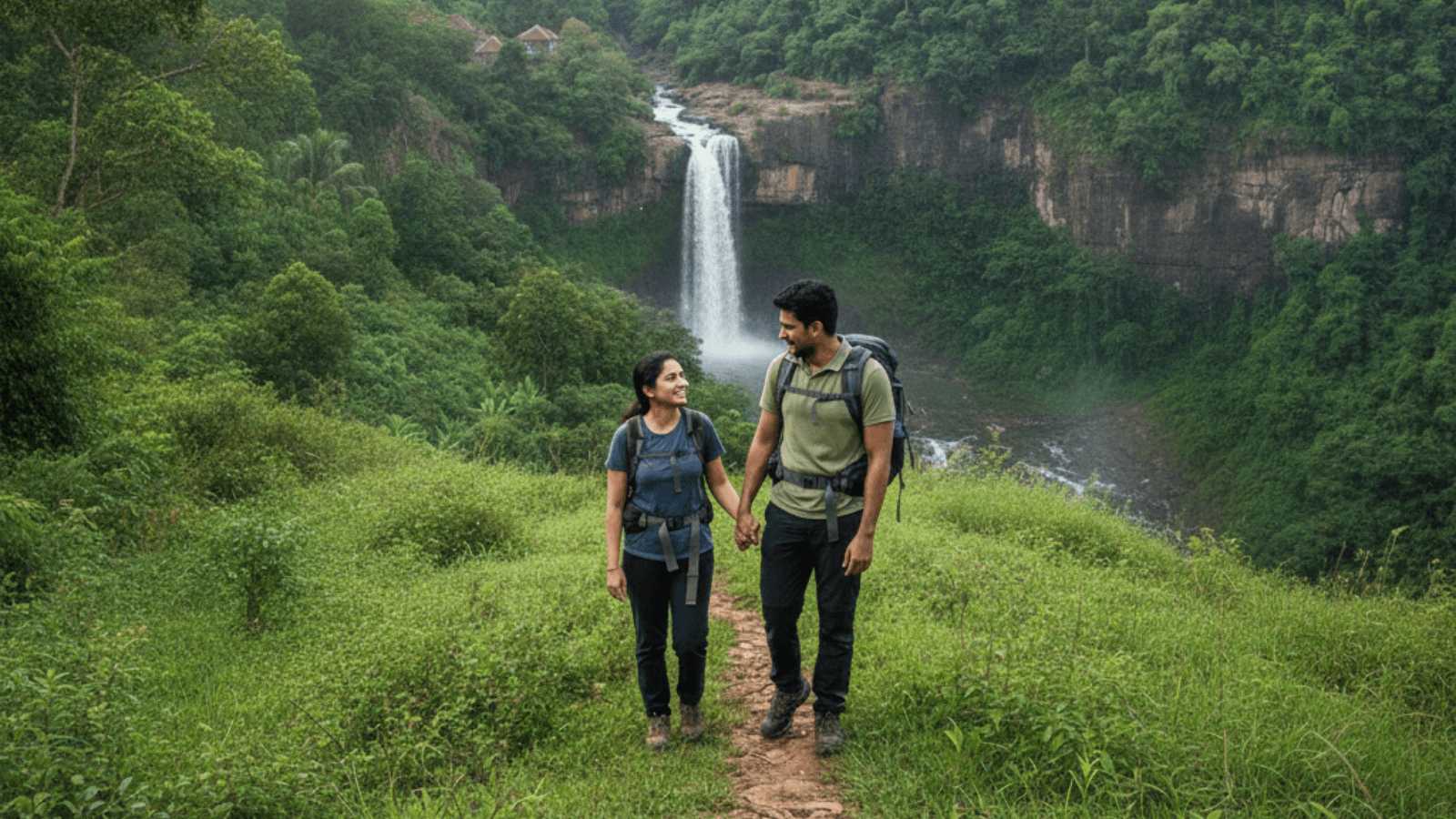
One of the tallest waterfalls in Maharashtra, Dabhosa drops into a deep gorge near the Gujarat border. The viewing platform offers a safe vantage point. During winter, the flow is gentler but steady. In monsoon, access becomes restricted due to slippery paths and mist.
Forest Roads and Late Afternoon Wandering
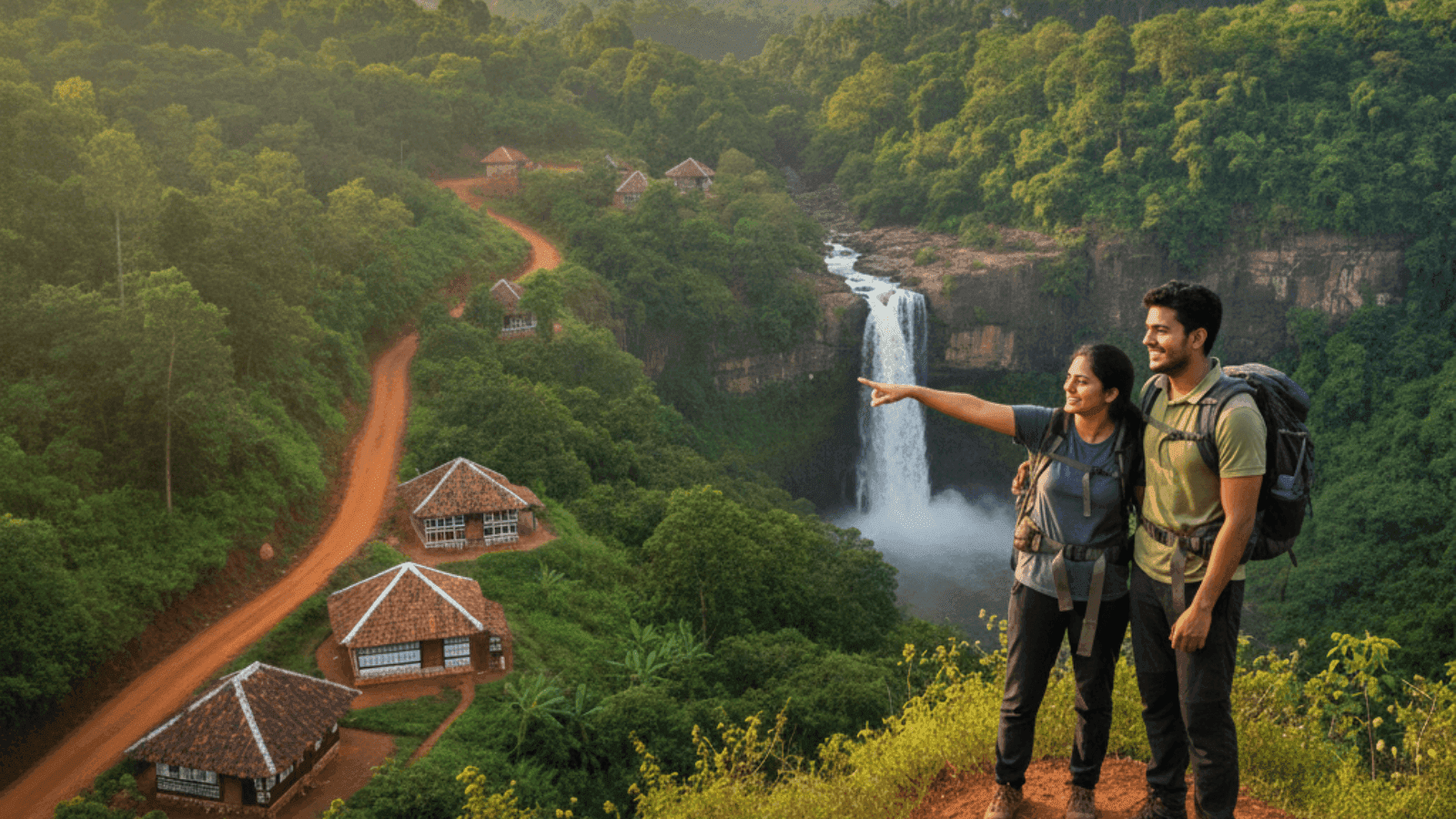
The roads connecting Jawhar to nearby valleys cut through dense forest. Expect cattle crossings, children cycling home, and long stretches without phone signals. This is the best time to drive without a destination.
Day 3: Slow Mornings and the Return
Khad-Khad Dam or Jaisagar Dam
Short morning visits work well here. Both dams sit quietly, used more by locals than tourists. Early hours bring fishermen, herders, and birds skimming the water surface.
Hiradpada or Kalmandvi Waterfall (Seasonal)
Smaller than Dabhosa, these falls are closer to Jawhar town. Paths are informal, often just worn trails through grass and stone.
Buying Local Handicrafts
Wooden toys, Warli paintings on cloth or paper, and handmade household items are sold directly by artisans. Prices are usually fixed, and bargaining feels out of place.
Lunch and Drive Back to Mumbai
Leaving by early afternoon avoids city traffic on arrival. The forest light shifts as the road descends, and Jawhar disappears without a formal exit.
Food and What to Expect
Meals are regional and seasonal. Expect millets, rice, vegetables, lentils, and locally sourced ingredients. Non-vegetarian options are limited and usually available only on request. Pack snacks if you have specific preferences. Shops close early.
Practical Travel Notes
- Roads are narrow but motorable most of the year. Heavy monsoon spells can slow things down, especially near waterfalls and forest stretches. Fuel stations thin out after Igatpuri, so topping up early helps. Carry cash, as card machines are unreliable.
- Jawhar isn’t built for nightlife. Evenings quieten down fast, shops shut early, and the town settles into silence without trying to entertain you.
- Photography is generally welcomed, but always ask before photographing people or homes in tribal villages. Some spaces look open but are private by custom.
- Mobile networks fluctuate across the region. Patchy signals are part of the experience, not a glitch.
- Forest guards sometimes regulate access to certain routes at dusk, especially during monsoon months when animal movement increases.
- Local drivers instinctively know when not to stop, even if the view looks perfect. That instinct comes from experience.
Where to Stay
Jawhar has limited stay options, and availability tightens quickly during winter weekends. If you want a place that’s well-located, comfortable, and suited to slow travel rather than rushed sightseeing, browsing curated stays matters. Neomaxer focuses on handpicked properties that fit Jawhar’s pace, whether you want to stay closer to town for easy access or slightly outside it for quieter forest mornings.









