

Munnar


Places to stay in Munnar
Things to Do in Munnar
Top activities and experiences

Eravikulam National Park

Top Station + Kannan Devan Hills

Trekking to Anamudi Peak

Mountain Biking through Tea Plantations

Rock Climbing at Meesapulimala
Quick facts about Munnar
Local weather

heavy intensity rain
Humidity
74%
Wind
0.47 m/s

General info
Time zone
GMT +5:30
Currency
Indian Rupee (INR)
Official languages
Malayalam, Tamil, English
Best time to visit
September to March
Recommended trip duration
3 days
Travel insights about Munnar
Travel guides, tips, and stories

Escape to Munnar Ditch Toxic Delhi AQI
Delhi’s air pollution has reached alarming levels, with the AQI frequently hitting the "severe" category. This toxic smog is causing serious health issues like breathing problems and burning eyes. To escape the hazardous haze, many residents are moving to South India for "clean air" getaways. With schools shifting online and hospitals seeing more patients, people are prioritising their health by choosing green retreats over city life.

Kerala’s Hills and Coast Should Not Be Done in One Trip
Kerala works best when you choose between hills or coast instead of rushing both. The climate, packing, travel time, and daily rhythm change completely by region. Staying in one zone allows smoother travel, better rest, and a deeper sense of place.

How Rain, Tea Hills, and Slow Roads Shape a Better Munnar Trip
Rain shapes how Munnar moves, from slower hill drives to misty mornings and early evenings indoors. Tea estates remain active workspaces, walks stay short and textured, and viewpoints depend on visibility. Staying near estates and planning lighter days fits the region better than tight schedules.
FAQs about Munnar
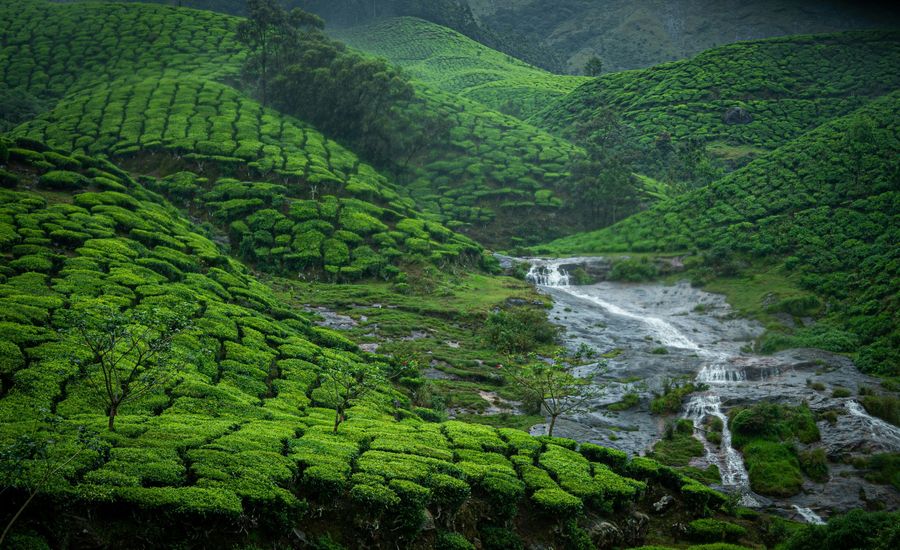
Munnar is known for its sprawling tea plantations, misty hills, and cool climate. It’s also home to unique wildlife and scenic viewpoints.
The best time to visit is from September to March when the weather is pleasant and ideal for sightseeing. Summers are mild, while monsoons bring heavy rainfall and lush greenery.
A 2 to 3-day trip is enough to explore the major attractions and relax. You can comfortably cover tea estates, viewpoints, and nearby spots within this time.
- Munnar is not just one viewpoint or tea garden; attractions are spread out, and travel time between them can be longer than expected due to winding hill roads.
- Traffic can get surprisingly heavy during peak season, especially on weekends and holidays.
- Early mornings are when Munnar looks its best mist rolling over tea plantations but the fog usually clears quickly after sunrise.
- Even in summer, evenings can turn chilly because of the elevation, so carrying light warm layers is important.
- Mobile network connectivity can be weak in certain remote plantation areas.
- Popular spots like Echo Point and Mattupetty Dam get crowded by late morning.
- Leeches can be common during monsoon if walking through dense greenery or forest trails.
- Many tea estates are private property, and entry is restricted unless visiting designated areas.
- The real beauty of Munnar is experienced slowly rushed itineraries often miss its peaceful plantation charm.