
Kerala Hills or Coast? How to Travel Without Rushing
Kerala tempts you to do everything at once. Tea-covered hills call from one side, warm beaches wave from the other, and suddenly the trip turns into a checklist. Choosing just one side lets the days breathe instead of racing the clock.
Kerala Is Not Small When You Travel Slowly
Distances look manageable on a map, but Kerala stretches long rather than wide. The hills sit inland, the coast runs parallel, and the roads between them wind, slow, and demand attention. A five-hour drive on paper often becomes seven once traffic, rain, tea breaks, and fatigue enter the picture.
More importantly, the climate shifts sharply. The hills cool down at night. The coast stays warm and sticky even after dark. Packing for both means carrying compromises instead of comfort.
Choosing Between Hills and Coast Is a Practical Decision
Pick the Hills If Your Body Wants Quiet
Hill regions like Munnar, Wayanad, Vagamon, and Thekkady work best when mornings are unhurried. Fog lifts slowly. Tea gardens look different at 7 am than at noon. Walking trails feel reasonable only before the sun climbs.
These places reward staying put. One base, short drives, repeated roads. The rhythm matters more than ticking locations off. Travelers who enjoy walking, early starts, layered clothing, and cooler evenings usually settle into hill life easily.

Pick the Coast If You Want Fluid Days
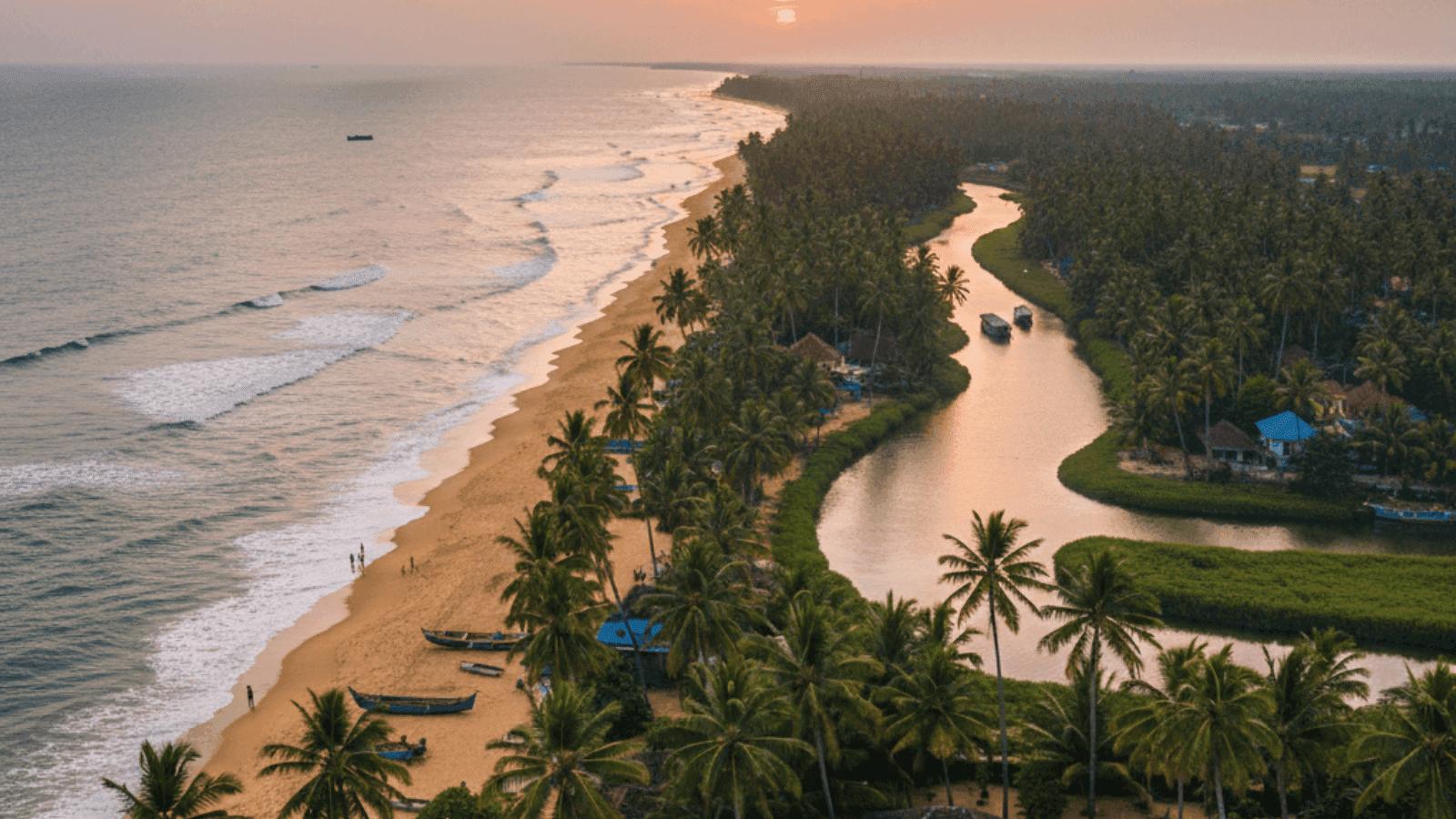
The coastal stretch from Varkala to Marari to Kannur operates on a different clock. Days stretch longer. Lunches run late. Evenings happen outdoors. You move according to tides, shade, and energy rather than schedules. Beaches here are not resort bubbles everywhere. Fishing boats return mid-morning. Locals use the same sands for work, prayer, and rest. Staying near one beach town lets you notice patterns instead of rushing through scenery.
Packing Depends Entirely on the Region You Choose
- Mornings feel cool, afternoons warm up, evenings turn damp. A light fleece or jacket matters more than extra outfits.
- Breathable walking shoes work better than sandals. Rain protection is essential for most months.
- Neutral colours blend easily in plantations and forest zones. You end up walking more than expected, often on uneven paths, so comfort beats style.
- Fewer layers, better fabrics. Cotton, linen, and loose fits handle humidity far better than synthetics. Footwear gets wet often, sometimes daily. Sun protection becomes routine, not optional.
- Beach towns usually have easy laundry access. Carrying less means less heat fatigue and easier short hops between stays.
Hills Demand Stillness, Not Speed
Wildlife Zones Set Their Own Rules
Areas near Periyar, Silent Valley, or Wayanad forests follow restrictions. Night driving is limited. Stops are discouraged after dusk. Locals read signs quietly rather than announcing them. This isn’t safari tourism. It’s shared terrain. Estate workers, drivers, and residents adapt their routines without drama. Visitors notice only when they slow down enough to listen.
Weather Changes Plans Without Apology
Mist cancels viewpoints. Rain shortens walks. Leeches appear without warning. The hills do not adjust to itineraries. Travelers who schedule fewer sights and more time tend to feel less frustrated here.
The Coast Rewards Repetition
Beaches Change by the Hour
The same stretch of sand looks different at dawn, midday, and dusk. Fishing activity reshapes the shore. Cafes open and close around the sun rather than clocks. Staying multiple nights in one coastal town lets days blur gently. You start recognising faces. Your body adjusts to heat. Time stretches.
Cultural Life Lives Along the Shore
Temples, mosques, churches, and markets sit close to the sea in many towns. Life happens outward. Sitting still often reveals more than moving on. Rushing through coastal Kerala reduces it to scenery, missing the daily negotiations between land, water, and work.
Responsible Travel Looks Different in Each Region
- Sound carries far near plantations and forest edges. Plastic waste stays visible for years. Trails erode quickly with excess foot traffic. Staying longer in one place reduces pressure on fragile roads and paths.
- Small, locally run properties are already balancing conservation with daily livelihood. Supporting them keeps that balance intact.
- Fishing schedules shape daily life. Beach access is usually shared, not private. Loud late-night activity travels straight into nearby homes.
- Coastal towns function on lived rhythms. Travel feels smoother when visitors adjust to them instead of trying to bend spaces around convenience.
One Region Lets You Notice What Others Miss
Kerala reveals itself slowly, through patterns rather than highlights. Hill towns teach patience. Coastal villages teach flow. Switching between them too quickly flattens both. Most travelers remember the drives when they try to do everything. Fewer remember the quiet mornings when they chose less. Staying in one region allows your senses to recalibrate instead of constantly catching up. If you want to stay close to the rhythm of one region, Neomaxer curates stays that match the pace of the place. From quiet hill retreats to easy coastal homes, their stays make slow travel feel natural.









