
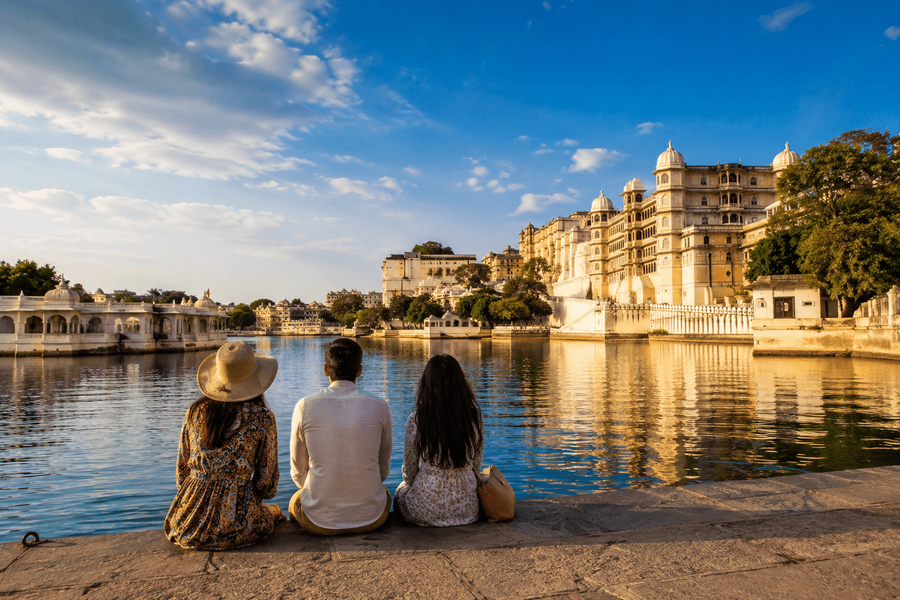
Jaipur


Places to stay in Jaipur
Things to Do in Jaipur
Top activities and experiences

Amber Fort (Amer Fort)

Hawa Mahal (Palace of Winds)

City Palace

Nahargarh Fort

Jantar Mantar

Hot Air Balloon Ride over Amber Fort

Cycling Tour through the Pink City

Quad Biking in Jaipur Desert
Quick facts about Jaipur
Local weather

scattered clouds
Humidity
51%
Wind
1.99 m/s

General info
Time zone
IST
Currency
INR
Official languages
Hindi, Rajasthani, English
Best time to visit
OCT-FEB
Recommended trip duration
4 days
Travel insights about Jaipur
Travel guides, tips, and stories

Jaipur on a Budget: How to Explore the Pink City Without Breaking the Bank
Planning a trip to the Pink City doesn't have to be costly. This guide shows how to enjoy Jaipur on a budget by choosing trains over flights and hostels over expensive resorts. You can save big by eating delicious street food and using composite tickets for sightseeing. From smart bargaining at local bazaars to exploring historic forts, you can experience Rajasthan’s true culture without emptying your pockets.

A Pink City Valentine with Heritage Walks and Rooftop Dinners
Stroll through the pastel lanes of Jaipur on a private heritage walk to discover hidden courtyards and royal tales. Spend your evening at Padao on the Nahargarh Fort hills for a rooftop dinner with a panoramic view of the glowing city. For a quiet escape, the terraces of the Amer area offer a majestic backdrop under the moon. This mix of history and heights creates the perfect setting for a timeless Valentine’s date.

Why Jaipur Remains One of India’s Most Visited Cities During Holi Season
Jaipur’s Holi draws thousands to City Palace celebrations, Amer Fort elephant processions, and flower Holi at Govind Dev Ji Temple. Travelers arrive easily via short flights from Delhi, trains from Agra, and overnight buses. Organic gulal markets, palace events, and walkable streets make Jaipur one of India’s busiest and most vibrant Holi destinations.
Best Budget Travel Destinations from India: India and International Options Under Budget
Explore the best budget travel destinations from India, including affordable places in India and international trips like Thailand, Vietnam, Nepal, Bali, Malaysia, and Dubai. Plan smarter with low-cost travel ideas, money-saving tips, and destination options for every travel style.
FAQs about Jaipur
October to March is the best time to visit Jaipur. Winters (November-February) are ideal with pleasant daytime temperatures of 15-25°C, perfect for exploring the forts and palaces. Summers (April-June) can be brutally hot, exceeding 45°C. The monsoon (July-September) brings brief but heavy showers that green the Aravalli hills.
3-4 days is ideal to explore Jaipur's major attractions at a comfortable pace. Day 1: Amber Fort, Jaigarh Fort, and Nahargarh Fort. Day 2: City Palace, Hawa Mahal, Jantar Mantar, and the old city bazaars. Day 3: Albert Hall Museum, Birla Temple, and shopping. Add a day for day trips to Abhaneri stepwell or Ranthambore.
Yes, Jaipur forms the western vertex of India's famous Golden Triangle tourist circuit along with Delhi (north) and Agra (east). The three cities are connected by excellent highways, Delhi to Jaipur is about 5 hours by road, and Jaipur to Agra is about 4.5 hours.
Jaipur is famous for gemstones and jewelry (Johari Bazaar), block-printed textiles and fabrics (Bapu Bazaar), blue pottery (Sanganer), lac bangles (Tripolia Bazaar), leather juttis (mojari shoes), miniature paintings, and handmade paper products. Always bargain in the bazaars, start at 40-50% of the quoted price.
Jaipur has a thriving street food culture that's generally safe at popular, busy stalls. Must-try items include pyaaz kachori at Rawat Mishthan Bhandar, lassi at Lassiwala on MI Road, dal baati churma, and ghevar. Stick to freshly cooked items and busy stalls for the safest experience.
-
The “Pink City” is not entirely pink.
Only the old walled city follows the terracotta palette. Step outside it, and Jaipur looks like any growing modern city. -
Summer heat is more intense than expected.
It is not just hot, it is dry and draining. Sightseeing after 11 AM in May or June can feel exhausting even for seasoned travelers. -
Auto drivers often double as unofficial guides.
Some genuinely share great insights, but many will steer you toward specific shops for commission. -
Amber Fort requires stamina.
The climb is longer than it appears in photos. Comfortable footwear makes a big difference. -
Local bazaars are best explored slowly.
Johari and Bapu Bazaar reward patience. Rushing means overpaying or missing quality craftsmanship. -
Winter mornings can be surprisingly cold.
Jaipur hotels rarely emphasize heating, so carry proper layers. -
Traffic peaks around wedding season.
November to February weekends can see heavy congestion due to destination weddings. -
The best city views are after sunset.
Nahargarh at dusk offers a calmer, cooler, and far more magical Jaipur experience than midday visits.