
Jodhpur


Places to stay in Jodhpur
Things to Do in Jodhpur
Top activities and experiences

Mehrangarh Fort

Jaswant Thada

Clock Tower and Sardar Market

Umaid Bhawan Palace

Zipline Over Rao Jodha Desert Rock Park

Blue City Walking Tour
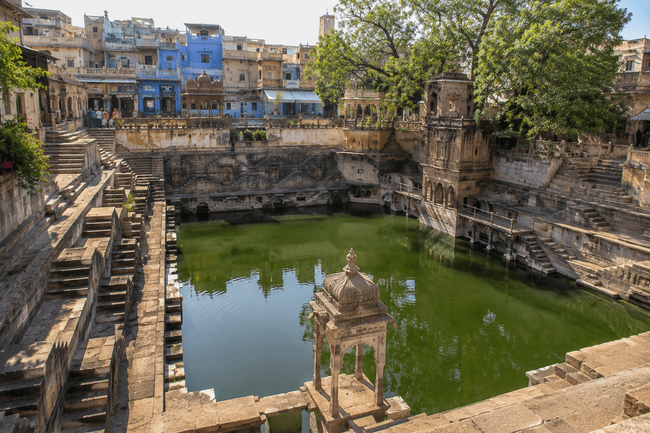
Toorji Ka Jhalra & Stepwell Square

Bishnoi Village Safari
Quick facts about Jodhpur
Local weather

clear sky
Humidity
20%
Wind
1.92 m/s

General info
Time zone
05:30
Currency
INR
Official languages
Hindi, Marwari, English
Best time to visit
OCT-MAR
Recommended trip duration
4 days
Travel insights about Jodhpur
Travel guides, tips, and stories

A Quiet Morning Walk Through Mandore Garden Near Jodhpur
Morning walk through Mandore Garden offers a serene retreat from Jodhpur’s bustle. Wander past the red sandstone cenotaphs of Marwar rulers, featuring intricate carvings that glow in the soft sunlight. This former capital is a lush oasis of green lawns and playful langurs, where the echoes of history meet the songs of native birds. Explore the Hall of Heroes and the shrine of 330 million gods for a deep dive into local lore.

Rajasthan After the Heat Leaves and the Walking Begins
Winter brings a refreshing coolness that makes exploring the blue streets of Jodhpur a delight. You can climb the massive ramparts of Mehrangarh Fort or wander through the Jaipur markets without the scorching sun. The desert air is crisp and perfect for long walks through ancient stepwells. It is the ideal time to see the land in its true glory.

Rajasthan When You Can Walk Through Forts Without Escaping the Heat
Walk Rajasthan’s forts without overheating by visiting between October and March, focusing on mornings and late afternoons. Dress in light, breathable fabrics, follow the fort’s natural routes, and use heritage stays to stay cool and energized. Smart timing and packing make long walks enjoyable, not exhausting.
FAQs about Jodhpur
Yes, 2 to 3 days is ideal because the city is not just about the fort. Food, markets, old lanes, and palace views need time too.
Jodhpur is most famous for Mehrangarh Fort, blue houses, local food, and old market streets.
Popular things to buy include handicrafts, spices, mojris, textiles, antiques, and local-style clothes, including loose cotton wear and items inspired by Jodhpur trousers.
- The “Blue City” is not entirely blue. Only parts of the old city wear the famous indigo, and the best shades are found by wandering aimlessly rather than following a map.
- Mehrangarh Fort looks close from everywhere, but the uphill walk under the sun can be exhausting. Locals plan their visit early in the morning or just before sunset.
- The real flavor of Jodhpur lives in tiny eateries near Clock Tower, where mirchi vada and mawa kachori are fresher and cheaper than in popular cafés.
- Markets bargain hard. Quoted prices in tourist areas are often higher, and polite negotiation is expected.
- Summers are intense. Daily life slows down in the afternoon heat, and even locals avoid stepping out unless necessary.
- Bishnoi village safaris offer more authentic cultural experiences than crowded city spots.
- The best rooftop views are often from modest guesthouses, not luxury properties.