
Sirpur Archaeological Complex
About
The broader Sirpur archaeological complex extends across several square kilometres and includes more than 180 identified structures dating from the 6th to 12th centuries. This historic landscape of Sirpur Chhattisgarh features Buddhist monasteries and stupas, Hindu shrines representing Shaiva, Vaishnava, and Shakta traditions, Jain temples, the remains of a royal palace, and an extensive market area. Sirpur is famous for presenting a rare multi religious urban centre where different faiths flourished side by side. Excavations continue at multiple locations, constantly expanding the list of Sirpur tourist places and deepening understanding of early medieval India. The Buddhist monasteries here gained prominence through the 7th century visit of Chinese pilgrim Xuanzang, who described the city as a thriving spiritual hub. Together with every surviving Sirpur temple, the site offers a vivid glimpse into the social and religious life of pre medieval India.

Highlights
What makes this place special
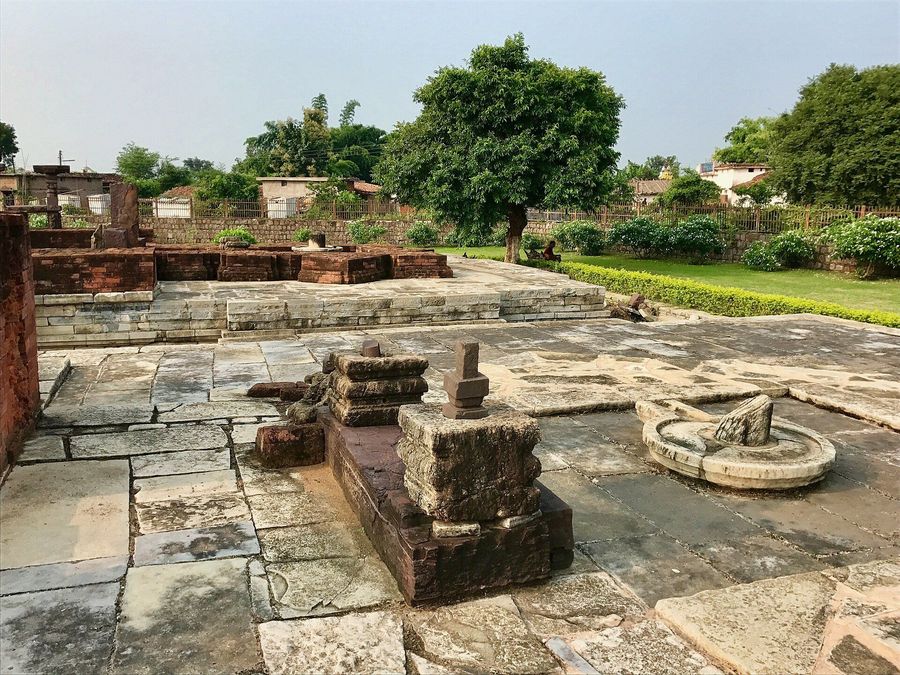
Buddhist Monastery Ruins
The well preserved brick monasteries with their stupas are believed to be the same institutions visited by Xuanzang during his travels in the 7th century.

Royal Palace Foundation
The excavated foundations of the Dakshina Kosala royal palace represent one of the few surviving examples of a pre medieval royal complex in India, adding exceptional historical value to Sirpur.
Things to Know
- •Extensive walking
- •Carry water
- •Guide recommended
- •Photography allowed
- •Allow 5-6 hours