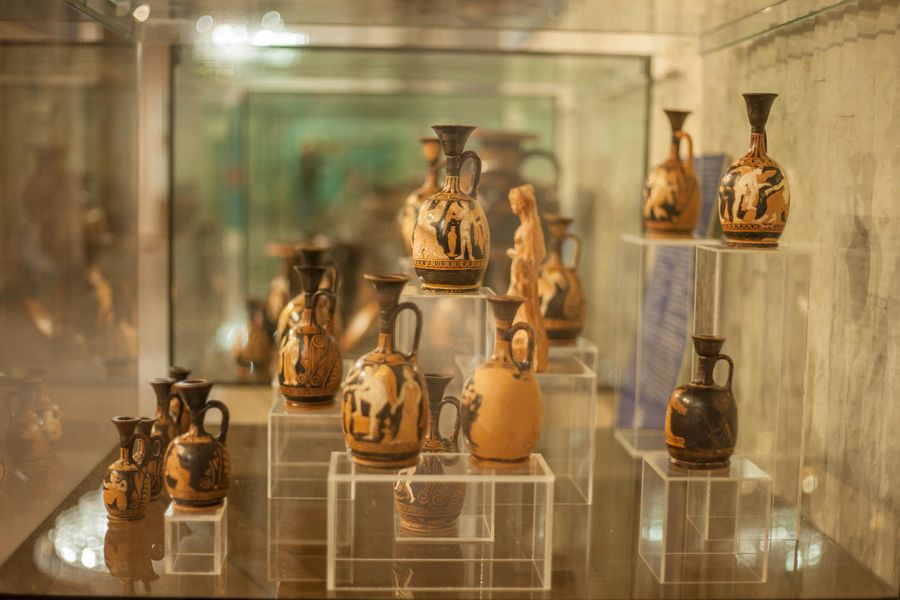
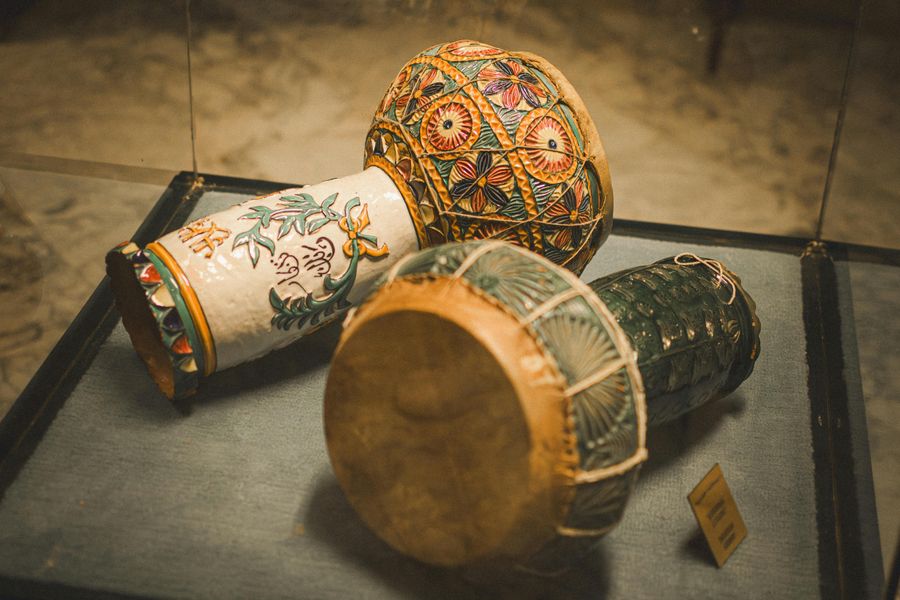
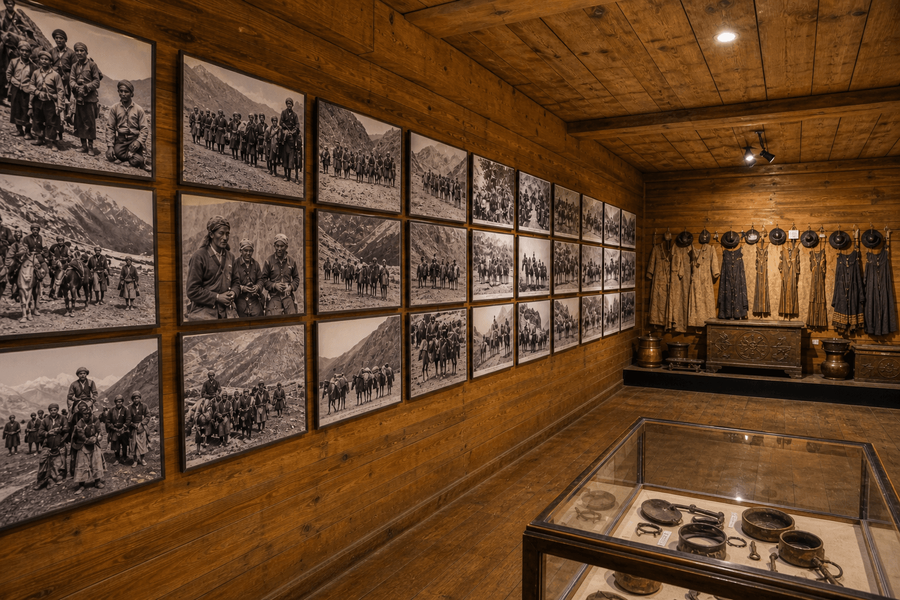
The Tribal Heritage Museum in Munsiyari is a small but deeply insightful stop in Munsiyari tourism, established by retired schoolteacher Dr. S.S. Pangtey to document the Bhotiya culture of the region. It focuses on the lives of trans-Himalayan traders who once moved between Tibet and the Indian plains, forming an important part of local history. The museum houses everyday household objects, old trade goods such as salt blocks and wool packs, ritual items, and a rich photographic archive. Together, these exhibits provide a detailed look at a way of life that largely came to an end after the Sino-Indian War of 1962. This museum is one of the most meaningful places to visit in Munsiyari, offering a rare glimpse into the region’s trading past.

What makes this place special

The Tribal Heritage Museum displays a remarkable collection of salt blocks, wool packs, silver ornaments, and ritual masks from the era of trans-Himalayan trade. These objects reflect the everyday goods and cultural items once carried by Bhotiya traders across high mountain routes. This trade network came to an end after the Sino-Indian War of 1962, when the Indo-Tibet border was closed. As a result, these artefacts now serve as rare physical evidence of a lost way of life. For travelers following a Munsiyari travel guide, this collection makes the museum one of the most insightful places to visit in Munsiyari.

Join the discussion with real travelers. Ask questions, share insights, and get the most out of your next adventure.
The Tribal Heritage Museum holds hundreds of black-and-white photographs of Bhotiya trading caravans, offering an irreplaceable visual record of a way of life that has now disappeared. These images capture the movement of traders across high Himalayan routes, documenting daily life, trade practices, and seasonal journeys that once defined the region.