
Ajmer Sharif Dargah
About
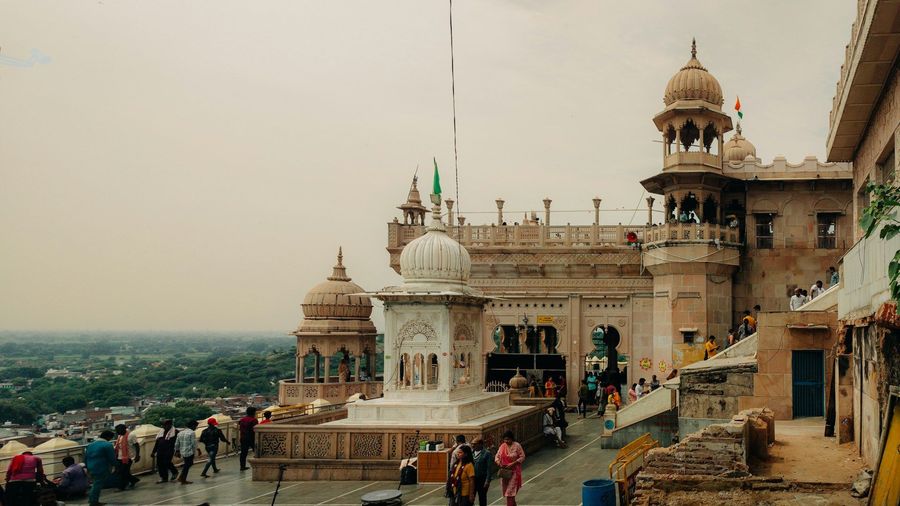
The Ajmer Dargah is the tomb and shrine complex of Khwaja Moinuddin Chishti, the 12th-century Sufi saint whose teachings spread across the Indian subcontinent. This shrine is what the Ajmer city is most famous for. The dargah was expanded by Mughal emperors—Akbar and Shah Jahan walked barefoot from Agra to offer prayers here. Today, the complex in Ajmer includes mosques, courtyards, and massive cauldrons (degs) where food is cooked for pilgrims. It remains one of India's most powerful pluralistic spaces, welcoming non-Muslims.
Highlights
What makes this place special

Khwaja's Tomb
The white marble tomb, the spiritual heart of Sufism in India, is continuously covered in rose and jasmine offerings.

Akbari Deg
A massive bronze cauldron donated by Emperor Akbar in 1567 is used to cook offerings distributed to pilgrims during the Urs festival.
Things to Know
- •Open 4 AM to 9 PM
- •Cover head and remove footwear
- •Floral offerings available at stalls
- •Deg food distributions during Urs
- •Photography restricted in inner sanctum