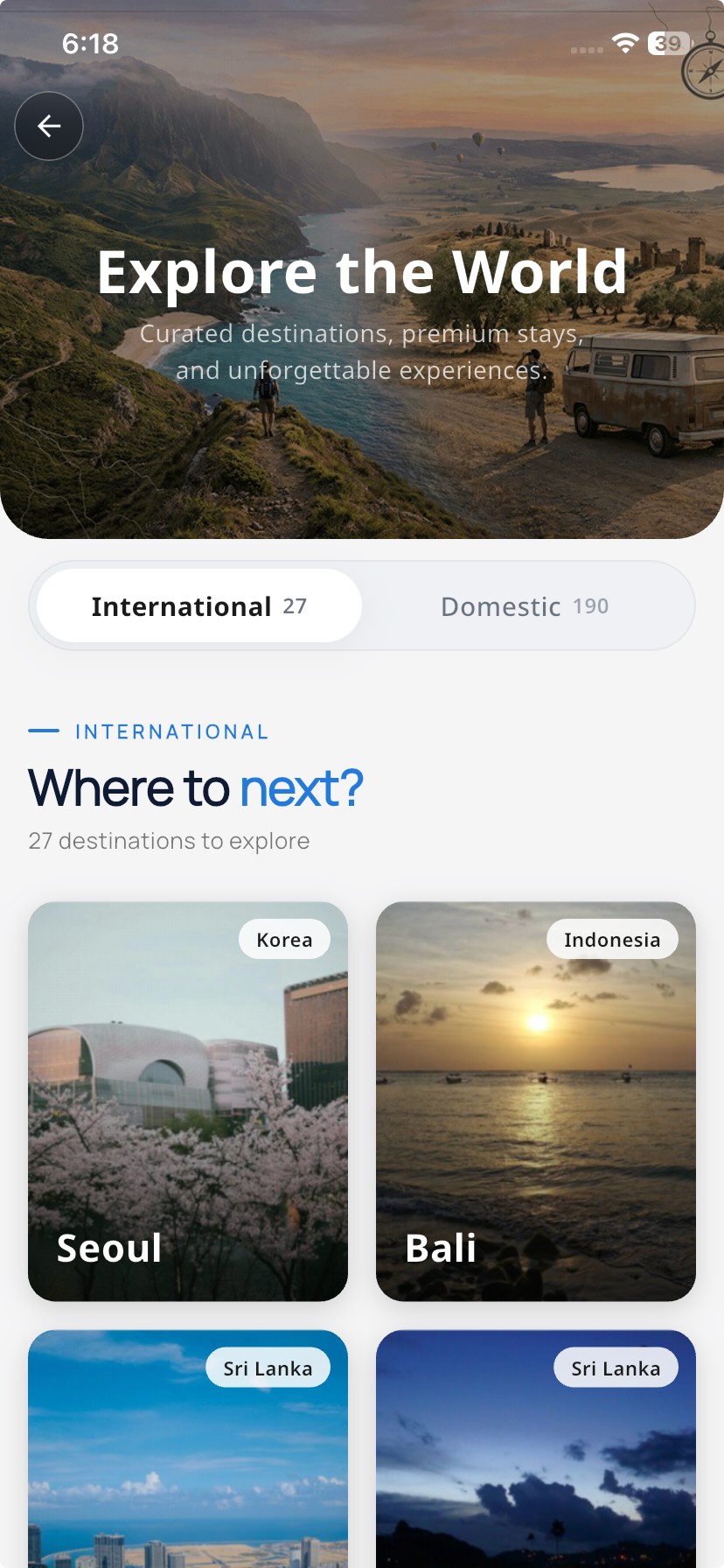

Paro


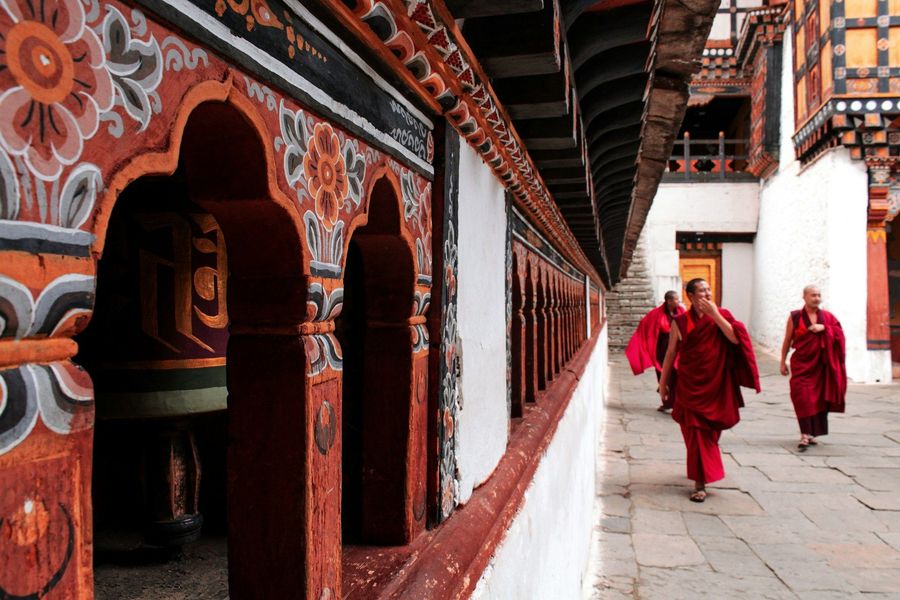

Packages for Paro
Curated travel packages
 6D 5N
6D 5NBhutan First Timer Discovery
Culture, mountains, and the heart of Bhutan
 5D 4N
5D 4NBhutan Romantic Escape
Mountains, rivers, and serene romance
 7D 6N
7D 6NBhutan Adventure & Culture Trail
Trek, explore, and immerse in Bhutan
 6D 5N
6D 5NBhutan Luxury & Leisure Escape
Bhutan, in comfort and style
Places to stay in Paro


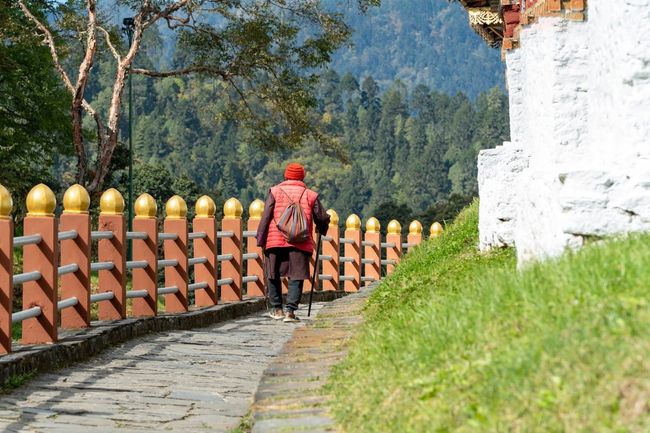
Quick facts about Paro
Local weather

light rain
Humidity
92%
Wind
1.37 m/s

General info
Time zone
BTT (UTC+6)
Currency
BTN
Official languages
Dzongkha
Best time to visit
MAR-MAY
SEP-NOV
Recommended trip duration
3 days
Travel insights about Paro
Travel guides, tips, and stories

Bhutan aka the Dragon Kingdom is the go-to place this Winter holiday!
Bhutan in winter is a hidden gem for travelers seeking peace and crystal-clear Himalayan views. With fewer crowds and lower costs, you can explore iconic spots like Tiger’s Nest or watch rare black-necked cranes in Phobjikha. Enjoy traditional hot stone baths, spicy Ema Datshi, and the warmth of local hospitality. It is the perfect time for a quiet, spiritual retreat amidst snow-capped peaks and bright blue skies.

Why Bhutan’s Hills Are Drawing Valentine’s Weekend Travelers
Bhutan’s hills draw Valentine’s travelers with clear February skies, pine-scented hikes to Tiger’s Nest, riverside views in Punakha, and evenings under sharp mountain stars. With guided travel, cultural rituals, hot stone baths, and boutique lodges, the trip blends altitude, tradition, and quiet moments that feel shared rather than staged.

The Bhutan Festival Where Monks Perform Dances Passed Down for Centuries
Paro Tshechu takes place at Rinpung Dzong, where monks perform Cham dances wearing symbolic masks and robes tied to Buddhist teachings. The final day reveals a giant Thongdrol tapestry at dawn. Visitors arrive early, sit along courtyard edges, and watch rituals believed to purify karma while families gather, eat, and pray together.
FAQs about Paro
March to May brings blooming rhododendrons and mild temperatures between 10 and 22°C. September to November offers clear mountain air and vibrant festivals such as Paro Tshechu. Winter from December to February is cold yet quiet and scenic.
Indian passport holders do not require a visa but must obtain a Sustainable Development Fee entry permit of 1,200 INR per adult per day. Other nationalities pay 100 USD per day and must arrange a visa through an authorised Bhutanese tour operator.
International tourists must travel with a licensed guide, though Indians and Bangladeshis are exempt. Transport is usually by private car and driver arranged in advance. Paro town itself is easy to explore on foot, with most Paro hotels located near the main street.
The hike is moderately strenuous, taking four to five hours round trip with a 900 metre elevation gain. Most visitors can complete it at a steady pace. Horses are available for the first half of the climb. Acclimatise for one to two days before you visit Paro’s most iconic site and enjoy one of the best things to do in Paro.
- Paro is quieter than most people expect; after sunset, the streets empty out and the valley becomes incredibly still.
- The airport landing is considered one of the most scenic in the world, but flights are often weather-dependent and may change at short notice.
- Even short walks can feel slightly tiring on the first day due to the altitude, especially if heading toward higher viewpoints.
- The famous Tiger’s Nest hike is more demanding than it looks in photos, but the sense of accomplishment at the top makes it worthwhile.
- Paro is not about fast sightseeing; it reveals itself best when explored slowly and without a rushed checklist.
- Many traditional houses you pass are still lived in by farming families, not staged for tourism.
- Weather changes quickly clear blue skies in the morning can turn into misty mountain views by afternoon.
- Local food can be spicy, especially dishes with ema datshi, so it is always okay to request a milder version.
- Some of the most beautiful moments in Paro are unplanned: prayer flags fluttering in sudden wind, monks chanting in the distance, or sunlight spilling across the valley fields.