Prayer flags flutter over manicured lawns, water channels murmur softly, and the first carved wooden doorway makes the outside world vanish in seconds. A Norbulingka Institute visit in Dharamshala brings Tibetan art and culture to life in a way that no souvenir shop ever can. The campus sits calm and beautifully planned, with gardens, bridges, traditional architecture, and quiet corners that almost force visitors to lower their voice. Instead of rushing from one “spot” to another, this place invites slow walking, long pauses, and curious observation.
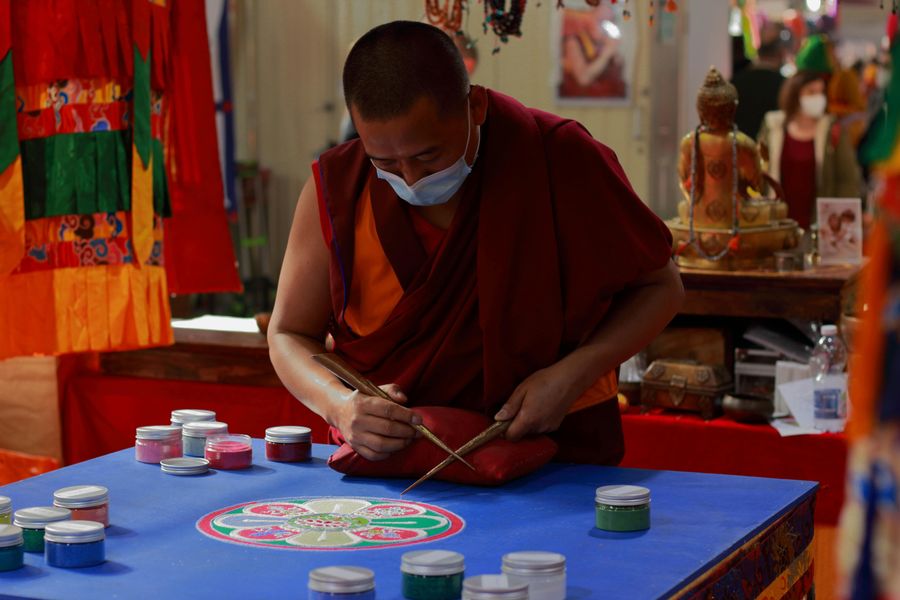
Norbulingka exists to preserve Tibetan culture in exile, and that purpose shows everywhere. Visitors can often watch artisans at work on thangka paintings, wood carving, appliqué, and statue making, depending on the day and workshop access. The temple complex, with its vivid murals and intricate details, becomes the emotional center of the visit. The whole experience stays gentle but memorable, especially for travelers who want meaning, craft, and calm along with their Dharamshala itinerary.
One fun fact people love:
Norbulingka takes its name from the Dalai Lama’s summer palace in Lhasa, and the institute carries the same idea of a “jewel garden” through its peaceful design and artistic focus.
Where in Dharamshala is it?
Norbulingka Institute is located near Sidhpur, a short drive from Dharamshala and on the route toward McLeod Ganj. It sits away from the busiest market lanes, which helps it stay quiet and spacious.
How to reach:
A private car or cab is the easiest option.
- From McLeod Ganj, the drive usually takes about 25 to 40 minutes, depending on traffic.
- From Lower Dharamshala, it often takes 15 to 25 minutes. Avoid peak afternoon traffic on weekends, since road movement between Dharamshala and McLeod Ganj can slow the journey.
Best time to visit:
March to June and September to November for pleasant weather and comfortable walking around the gardens. Winter visits also work well if you enjoy crisp air and fewer crowds, but carry a warm layer.
Best time of day:
Go either:
Early morning around 10 AM to 12 PM to catch workshops active and enjoy quieter pathways
or
Late afternoon around 3 PM to 5 PM for softer light, calmer crowds, and beautiful photos in the garden areas
Entry fee:
Yes, an entry ticket usually applies. Fees can vary for Indians and foreigners, and some areas or guided experiences may charge extra. Check the latest ticket and photography rules at the gate or official sources before entering.
Commute difficulty:
Very easy. The campus stays walkable and flat compared to McLeod Ganj slopes, and the road approach stays straightforward.
Things nobody tells you about this place:
- Weekdays give the best experience because crowds stay low and workshops feel more accessible.
- Some visitors rush through in 30 minutes and miss the point, so plan at least 2 hours if you want the place to sink in.
- The temple interiors reward slow looking, since the murals and statues carry detailed symbolism.
- Photography rules can change by section, so follow signage and avoid pushing limits near sacred spaces.
- Buying a small craft item from the official shop supports artisan communities more directly than random market shopping.
- The on-site cafe makes a great break point, especially after walking the gardens and workshops.
- The campus stays cooler than the town in shade, so keep a light layer even in warmer months.
- If you want a quieter, more meaningful Dharamshala day, pair Norbulingka with a slow lunch and skip stacking too many tourist stops right after it