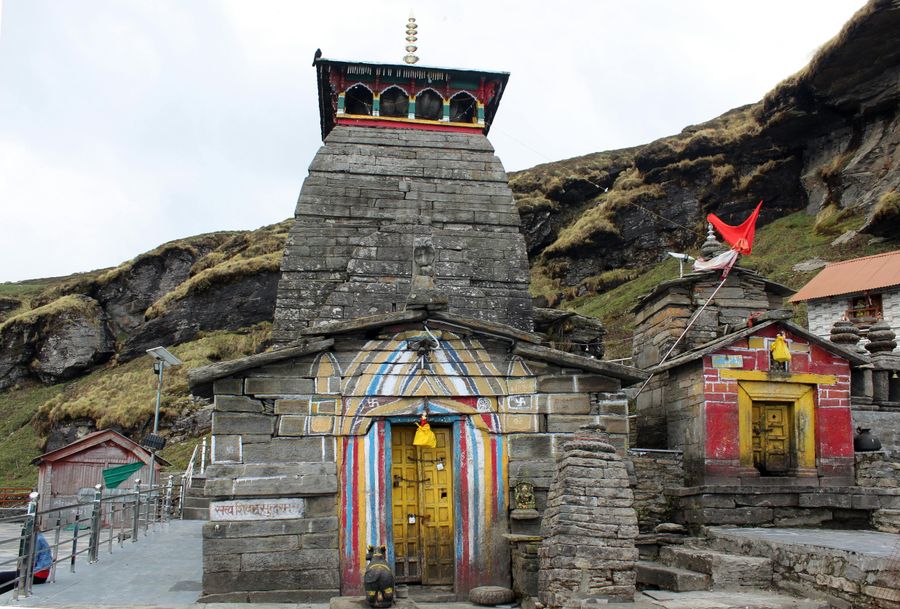
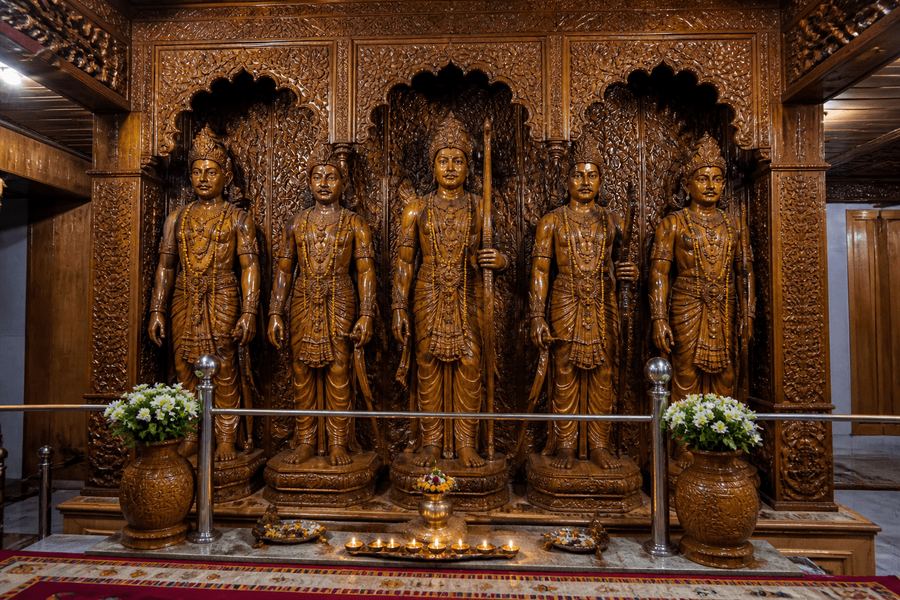
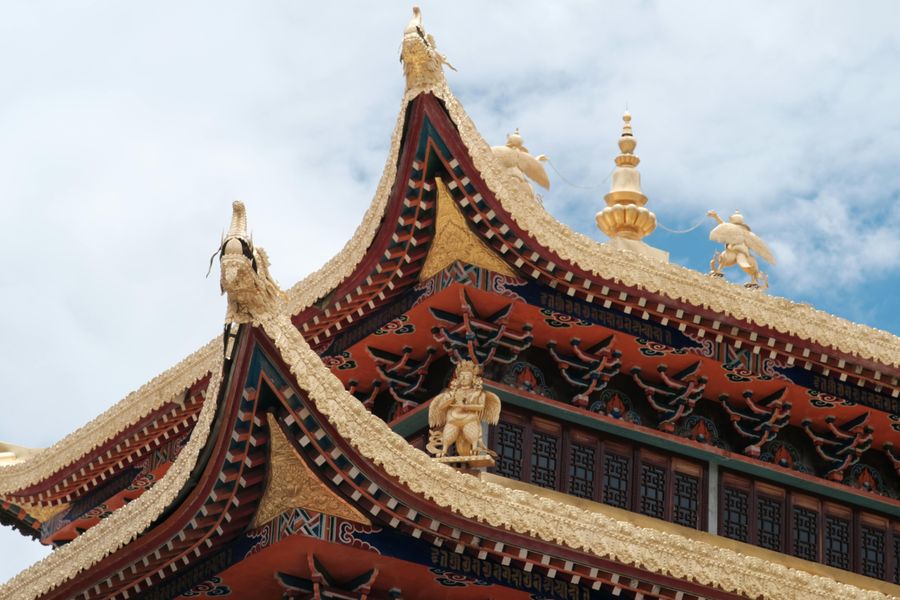
The 12th-century Khajji Nag Temple, located at the edge of the meadow, is the spiritual center of the village and a key highlight of Khajjiar tourism. This traditional wooden pagoda-style temple is dedicated to the serpent god Nag and reflects the region’s distinctive Himalayan architecture. Inside, the temple features carved wooden images of the Pandavas from the Mahabharata, adding cultural and mythological depth to Khajjiar sightseeing. It is one of the most important places to visit in Khajjiar, holding both historical and religious significance. The temple also gives the village its name, making it an essential stop during any Khajjiar trip for travellers interested in heritage alongside natural scenery.

What makes this place special

Inside the Khajji Nag Temple are life-size wooden carvings of the five Pandava brothers, an unusual feature for a shrine dedicated to a serpent deity. This distinctive detail makes the temple a standout highlight in any Khajjiar travel guide.

The Khajji Nag Temple features a tiered, slate-roofed pagoda design with finely carved wooden eaves, making it a classic example of early Chamba temple architecture. This architectural style is a key highlight of Khajjiar tourism for its craftsmanship and historical value. The layered roof structure and detailed carvings reflect traditional Himalayan building techniques, adding depth to Khajjiar sightseeing.
Join the discussion with real travelers. Ask questions, share insights, and get the most out of your next adventure.