
Garh Palace & Chitrashala
About
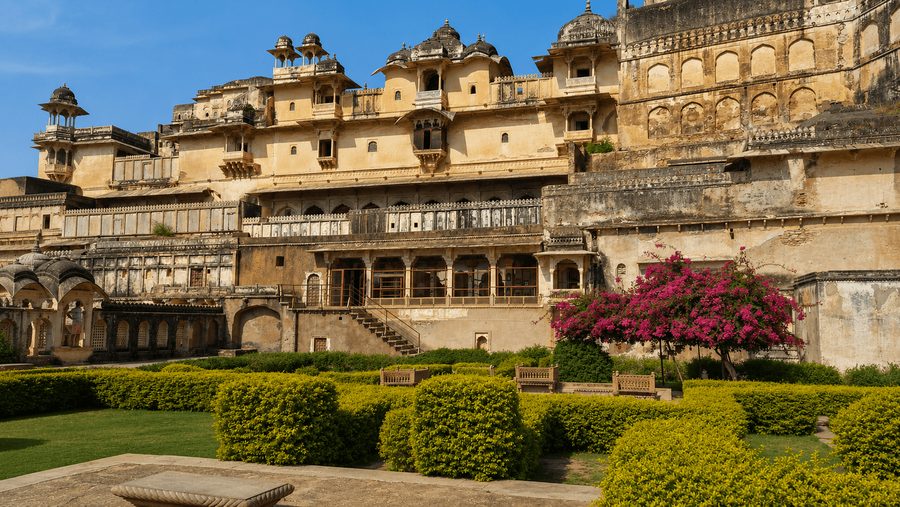
Garh Palace is a 17th century Rajput palace located in Bundi, cascading down the hillside below Taragarh Fort. It is one of the finest surviving examples of late Rajput secular architecture, built as a complex of courts, pavilions, terraces, and audience halls that follow the natural slope of the hill. The most celebrated section of the palace is the Chitrashala, a painted gallery known for its extraordinary Bundi miniature style murals. Its walls and ceilings are fully covered with vivid scenes of hunting expeditions, royal court life, processions, and mythological narratives. The artwork is distinguished by its rich palette of turquoise, red, and ochre, and is considered one of the most important surviving examples of Bundi painting tradition. Together, the palace and Chitrashala form a central highlight of Bundi tourism and a key stop in Bundi sightseeing, offering a rare combination of architecture, landscape integration, and detailed mural art.
Highlights
What makes this place special

Chitrashala Paintings
Every surface of the walls and ceilings inside Garh Palace in Bundi is covered with murals painted in the distinctive Bundi miniature style. This Chitrashala section is widely regarded as the most complete surviving example of the Bundi school of painting. The artwork transforms the entire gallery into a continuous visual narrative, with no empty surfaces left undecorated. Scenes of court life, hunting expeditions, and mythological stories flow seamlessly across walls and ceilings, rendered in rich tones of turquoise, red, and ochre. The density and preservation of these paintings make it one of the most important highlights of Bundi tourism and a defining experience of Bundi sightseeing.

Badal Mahal
Inside Garh Palace in Bundi, the so-called “Cloud Palace” section is one of the most unusual artistic spaces in Bundi tourism, known for its rare Rajput–Chinese hybrid ceiling paintings. The ceilings depict a dreamlike world of swirling clouds, heavenly beings, and Chinese mandarins, blending Rajput miniature sensibilities with East Asian visual motifs. This cross-cultural style reflects historical artistic exchanges and the openness of Bundi’s court culture to diverse influences. The result is a striking, almost surreal visual narrative that stands apart from traditional Rajput court scenes, making it a standout highlight in Bundi sightseeing and a key example of the region’s artistic experimentation.
Things to Know
- •Open 8 AM to 6 PM
- •Entry ₹80 for Indians, ₹500 for foreigners
- •Steep walks
- •Guide recommended
- •Photography allowed