
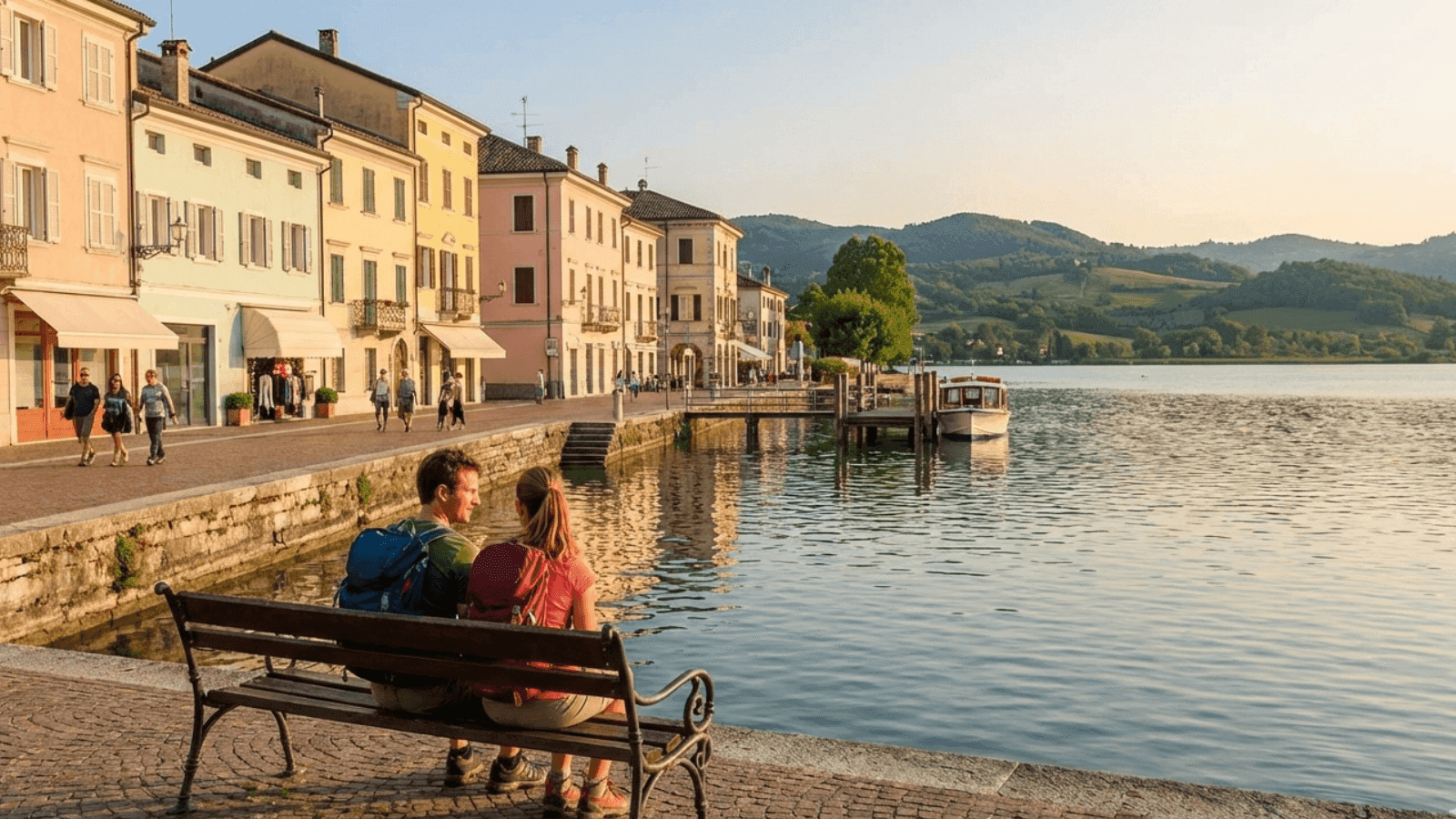
Why Travelers Are Quietly Choosing Smaller Towns
Some trips feel busy even in photos. Others settle in quietly, where days stretch a little longer and plans arrange themselves. Smaller towns have a way of doing that, turning travel into something that feels lived-in rather than scheduled.
The quiet shift travelers don’t post about
People still visit Paris, Tokyo, and New York, but many are quietly building trips around places an hour or two away from them. Smaller towns are becoming the real base, while famous cities turn into short day visits. This shift rarely makes it to social media because it does not come with obvious bragging value. It feels personal, practical, and strangely relieving.
Travelers are choosing places where mornings start slow, streets are readable without a map, and plans don’t collapse if one café is closed. The appeal is not novelty. It is ease.
Big cities now feel like work
Famous cities reward effort, not curiosity. You queue, plan, reserve, calculate distances, and adjust to peak hours. That effort can feel satisfying once or twice, but repeated often, it turns travel into logistics management.
Smaller towns remove layers of friction. You walk more than you commute. You stumble into places instead of hunting them down. A missed plan rarely feels like a loss because alternatives are nearby and unpretentious.
What travelers quietly step away from
- Long transit times between “must-see” spots
- Restaurants chosen weeks in advance
- Constant noise, even late at night
- The pressure to justify the trip with photos

Slower places make observation possible again
In smaller towns, details are not hidden behind scale. You notice how shops open late after market mornings. You recognize the same faces by the second day. You understand which streets are lived-in and which are only passed through. This kind of observation rarely happens in famous cities anymore. There is too much visual competition. Too many signals asking for attention at once. Towns allow attention to settle. Travelers often describe these places as “nothing much happening,” then talk about them the longest.
Cost is part of it, but not the main reason
Yes, smaller towns are cheaper, but affordability alone does not explain the shift. Travelers still spend on good food, comfortable stays, and local experiences. What they avoid is waste. Money goes further when it supports one place deeply instead of many places briefly. A longer stay in a smaller town creates routines, and routines create belonging, even if temporary.
Where money feels better spent
- Family-run stays instead of chain hotels
- Local transport instead of constant taxis
- Meals where the owner also takes the order
- Experiences that don’t charge extra for “authenticity”
Famous cities no longer feel undiscovered
There was a time when visiting a big city felt like entering a layered, complex world. For many travelers now, that sense has flattened. Algorithms have mapped everything in advance. Expectations arrive before the traveler does.
Smaller towns still allow space for personal interpretation. Two people can visit the same place and come back with different stories. That difference matters to travelers who are tired of repeating the same visual checklist.
Remote work quietly changed travel behavior
When trips are no longer squeezed into fixed leave windows, the logic of travel shifts. Smaller towns are easier to live in for weeks at a time. Daily costs are manageable. Internet is often sufficient. Distractions are fewer.
People are not announcing this change because it feels practical, not aspirational. They choose towns where work fits into the day instead of fighting the destination.
Local rhythm replaces itinerary pressure
In smaller towns, days are shaped by local timing rather than attraction hours. Shops close for lunch. Streets empty in the afternoon. Evenings stretch longer. Travelers adjust instead of resist. That adjustment becomes part of the experience. The place leads, not the plan.
The social side feels less performative
Interactions in big cities often stay transactional. Service moves fast. Conversations stay brief. In smaller towns, exchanges slow down by default.
You end up talking because there is time, not because it is planned. A question about directions turns into a story. A regular café visit turns into recognition.
Smaller towns allow travel without explanation
There is no need to justify why you are there. No one asks what you have “covered.” Days don’t need to be productive.
Travelers often say they felt less like visitors and more like temporary residents. That feeling comes from scale. It is easier to blend in when the place itself is not trying to impress.
This choice is rarely announced for a reason
Choosing a smaller town over a famous city is not a statement. It is a preference formed quietly, often after years of louder travel. People don’t announce it because it doesn’t need validation. The benefits show up in sleep quality, attention span, and how long memories last.
The shift continues quietly, one booking at a time, toward places where travel stops feeling like performance and starts feeling like presence. If smaller towns are your kind of travel, Neomaxer makes staying there simple and comfortable. Find thoughtfully chosen stays that let you live like a local.









