
Why Ladakh Feels Better When You Take It Slow
What Slowing Down Changes on the Ground
You start reading the landscape
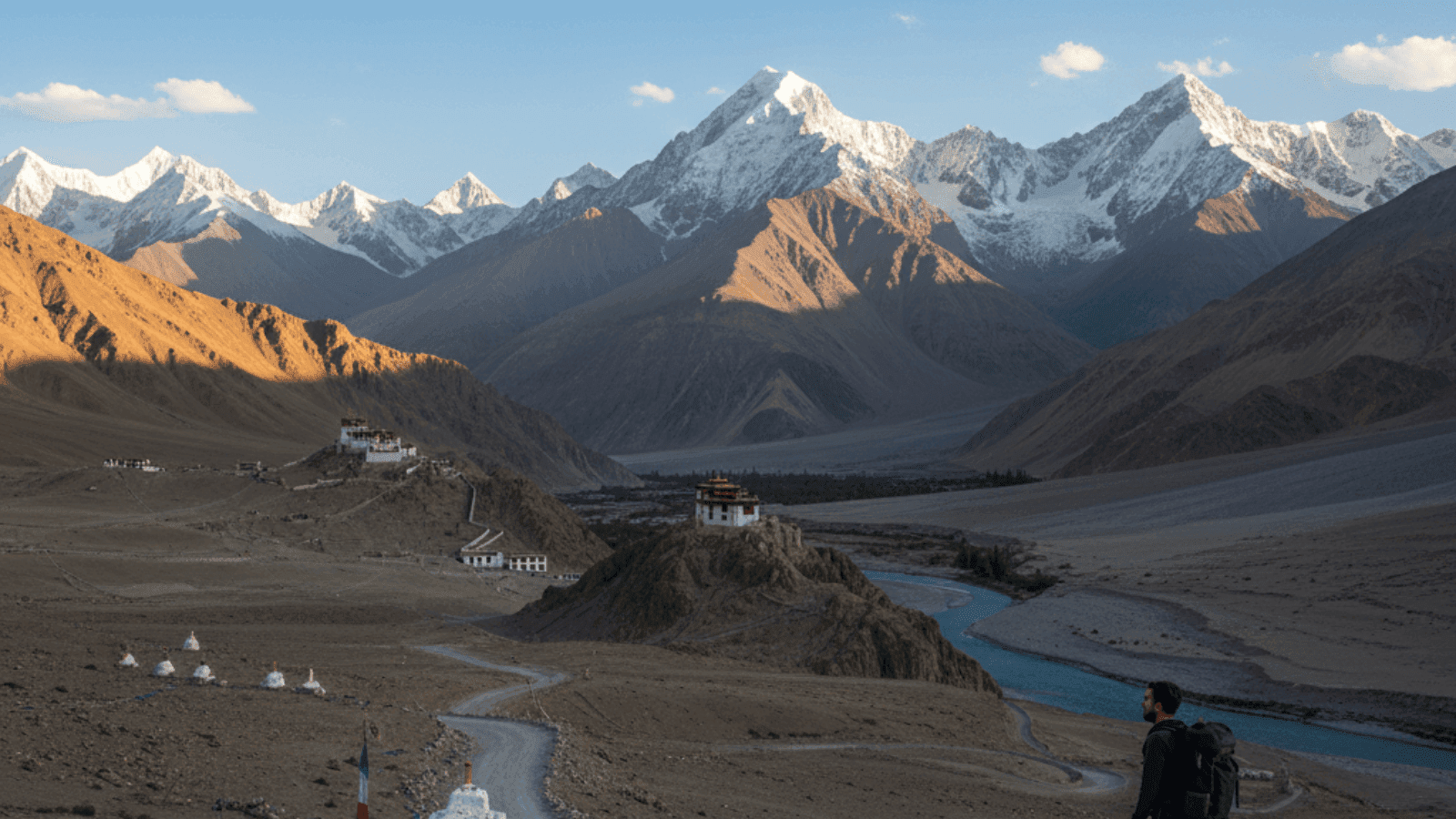
When travel days are shorter, details begin to register. The way the colour of the mountains changes from morning to afternoon. The sudden silence after a convoy passes. The smell of wet earth near an unexpected stream crossing. These moments disappear when the only goal is to reach the next hotel before dark.
Acclimatisation stops feeling like wasted time
A slow schedule allows the body to adapt naturally. Short walks around Leh, unhurried visits to nearby monasteries, and idle afternoons do more for health than medication alone. Travellers who rush often spend more time recovering than exploring.
Conversations replace checklists
Homestays and small guesthouses reveal their value when guests are not arriving late and leaving early. Hosts share stories about winters, road closures, crop cycles, and local customs. These interactions rarely happen when travellers treat accommodation as a pit stop.
Places That Punish Tight Schedules

Pangong Tso
The lake sits at over 4,200 metres. A rushed day trip from Leh leaves little room for acclimatisation or weather delays. Staying overnight nearby allows visitors to see how dramatically the lake changes colour across the day.
Nubra Valley
Crossing Khardung La is physically taxing. Adding sightseeing immediately after the pass often leads to exhaustion. Slower plans give space to rest and explore villages like Turtuk or Diskit without fatigue.
Hanle and Changthang
These regions are remote and sensitive. Long driving hours combined with altitude can be draining. Travellers who allocate extra days report fewer health issues and better engagement with the landscape.
Slow Travel Makes Logistics Easier
Rushed itineraries magnify small problems. A delayed permit, a sudden road closure, or a vehicle issue can derail an entire plan. Slower travel absorbs disruptions without stress. Buffer days stop feeling like inefficiencies and start functioning as safety nets.
Fuel availability, mobile connectivity, and medical facilities are limited outside Leh. Travellers who move gradually tend to plan refuelling stops better, rest more frequently, and recognise when to pause instead of pushing forward.
Ladakh’s Seasons Are Not Built for Speed
The travel window itself is narrow. Roads typically open between May and October, with weather remaining unpredictable even in peak season. Afternoon winds near high-altitude lakes, sudden snowfall on passes, and rain-induced landslides are common.
Rushing forces people to drive at unsafe hours or ignore local advice. Slower schedules align better with how Ladakh actually functions during its open months.
Experiences That Only Appear When You Stay Longer
- Monastery routines: Morning prayers, afternoon study sessions, and evening chants happen on fixed schedules. Day trippers often miss them entirely.
- Village life: In places like Alchi, Uley, or Sakti, daily rhythms revolve around farming, livestock, and water management. Staying put reveals how tightly life is woven around the land.
- Night skies: High-altitude regions like Hanle offer some of India’s clearest night skies. These are not experiences that fit neatly between long drives.
Environmental Impact Becomes Visible
Fast tourism strains Ladakh’s fragile ecosystem. Excessive vehicle movement, short stays, and high turnover increase waste and water stress. Slow travel reduces repeated driving and encourages longer stays in fewer places, easing pressure on local infrastructure.
Travellers who linger also become more conscious of water usage, waste disposal, and energy consumption. Awareness grows naturally when one is not constantly moving on.
Planning Slow Does Not Mean Doing Less
A slower itinerary often results in deeper experiences rather than fewer ones. Instead of five locations in seven days, travellers might choose two regions and explore them thoroughly. The result is less fatigue and stronger memories.
Local guides, drivers, and hosts consistently recommend fewer destinations over longer durations. Their advice is shaped by years of watching travellers struggle with altitude, weather, and exhaustion. Ladakh responds best to patience, where roads are allowed to dictate pace, bodies are given time to adapt, and the landscape is observed rather than consumed.
If you want to stay in Ladakh the way it is meant to be experienced, Neomaxer curates stays that let you slow down without compromising on comfort.









