
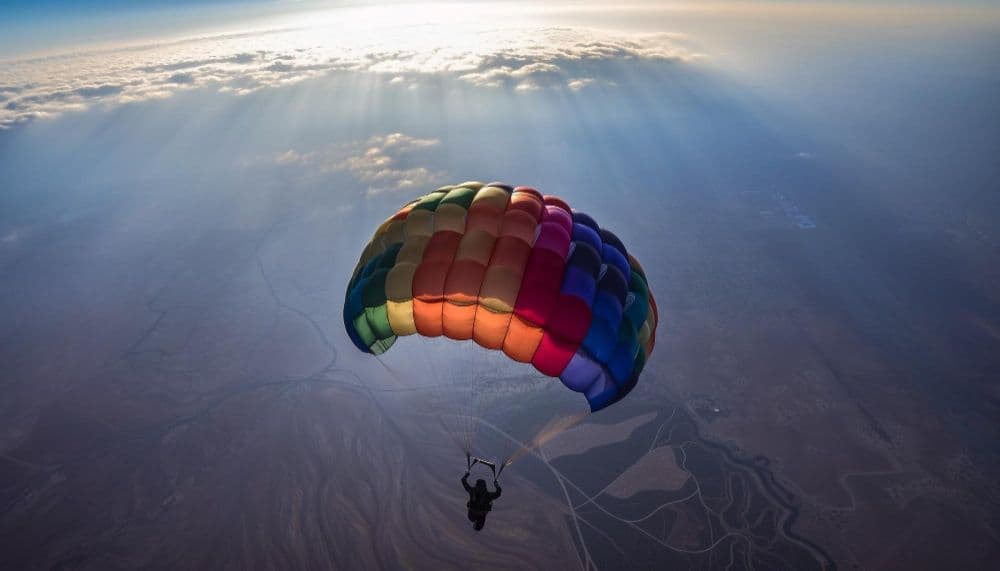
Bright wings rise over Bir Billing each clear morning, catching the first warm air that peels off the Dhauladhar slopes while prayer flags snap softly on the ground.
Why this valley became the perfect takeoff
Up top you've got Billing, this wide open meadow perfect for launching. Then down below there's Bir, a nice big landing area. Connecting them? This long, swooping ridge that basically works like nature's own runway.
The drop is steep enough to get you some serious airtime, but not so crazy that newbies panic when they peek over the edge.
Pilots here watch for signs before they spread a single wing:
- Wind socks at Billing turning steady, not jerky
- Dust and leaves lifting gently off the slope
- Clouds forming small, puffy stacks over the ridgeline, not dark towers
It is this mix of reliable thermals, clean ridges and a wide valley that lets Bir Billing host world level flying almost every season.
World reputation built on consistent skies
Plenty of places claim big views, but only a few offer long, safe airtime day after day.
Bir Billing sits in that short list because the air behaves well more often than it misbehaves.
What sets it apart:
- Takeoff at around 2 400 metres and landing near 1 400 metres
- Long, continuous ridge that creates strong but manageable lift
- Clear landing zone you can see from high up, ringed with fields not high-rises
- Dry post-monsoon and spring periods when thermals are predictable
Cross country pilots come here to chase distance records, gliding deep into the Kangra valley.
At the same time, first timers can float over the same fields in tandem, feeling the big game above them without needing that skill level.
Seasons, clouds and Bir Billing snowfall
When the sky is on your side
The best months for bir billing paragliding are usually:
- October to November: clear air, stable weather after rains, long views to the snow peaks
- March to early June: warmer, strong thermals, busy flying scene
In deep winter, Billing can receive snow.
Bir Billing snowfall turns the upper slopes white, roads may close at times, and regular commercial flying often slows down or pauses, though the views from the valley floor grow sharper.
Monsoon brings low cloud and strong wind shifts.
Locals read the hills carefully then, and serious flying mostly steps back.
What bir billing paragliding actually feels like
You walk onto the grass at Billing and see wings laid out like sleeping birds, lines checked, harnesses open.
Pilots do not rush; they watch each other’s takeoffs, learn from small mistakes, wait for the right gust.
A typical tandem flight:
- Short run into the wind, three or four steps before your feet leave ground
- A drop, then a smooth push upwards as the canopy fills
- Slow turns along the ridge, looking down at monasteries, pine forests and tin roofs
- A gentle glide into the Bir landing field where prayer flags, cafes and photographers wait
Good providers talk you through the whole sequence, including what to do if wind shifts or if you feel nervous mid air.
Bir Billing paragliding cost and options
Packages change by season and operator, but bir billing paragliding cost usually depends on:
- Duration: basic 10 to 15 minute tandem vs longer 25 to 40 minute thermal flights
- Extras: photos and videos from GoPro, in-flight acrobatics
- Time of day: prime morning or late afternoon slots may be priced higher
Most visitors can expect a range somewhere in the mid to upper thousands of rupees for a safe, well operated tandem.
Always ask what is included, who the pilot is certified with, and how weather cancellations are handled.

Getting to the launchpad village
If you are planning Bir Billing from Delhi, you measure the journey in bends, not just kilometres.
Overnight buses reach Bir road, then a short taxi ride climbs gently into the village.
Useful bearings:
- Bir Billing distance from Delhi: roughly 500 km by road, 10 to 12 hours depending on route and stops
- Nearest major railhead: Pathankot or Joginder Nagar, then road transfer
- Nearest airport: Kangra / Gaggal near Dharamshala, followed by a few hours by taxi or bus
From Bir, jeeps and taxis take you up the narrow road to Billing for takeoff.
The last few kilometres tell you the wind story better than any forecast app.
Sleeping in a town that listens to the wind
Bir is not just a launch service station.
It is a Tibetan colony, a line of cafes, monasteries and homes that have learned to share space with gliders.
Bir Billing hotels and stays stretch from simple hostels near the landing field to quiet homestays above the village.
Choosing well matters, because:
- Staying close to the landing zone lets you watch conditions all day
- Hilltop stays can offer sunrise views and calmer nights
- Some guesthouses are run by pilots who read the sky like a book
Walking through the village at dusk you see wings drying on fences, helmets on verandas, monks circling their prayer wheels while a last glider spirals down.
Safety, respect and the shared sky
Locals know that Bir Billing is famous now, but they still treat the mountains as older than any sport.
They talk about tree lines, sudden valley winds, and the day’s first dust devil with the same seriousness as temple bells.
Simple ways to keep that respect:
- Fly only with certified schools and tandem pilots
- Accept when weather calls off your slot, even if you travelled far
- Do not litter on takeoff or landing, these are also grazing and walking grounds for villagers
- Keep noise low near monasteries and homes, even if you just landed from a big flight
The longer your stay here, the more you realize that flying is only one aspect of the place, which is really a combination of farming, prayer, and village life.
If you arrange your trip for the best weather for flying, stay in Bir Billing hotels that are close to the landing field, and book early through Neomaxer, you will have enough time to observe the wind, be ready to take off at the right moment, and grasp the reason behind Bir Billing being called the paragliding capital of the world.









