
Who Should Visit Spiti in Peak Winter and Who It Isn’t For
Spiti in winter quietly checks your patience, your layers, and your idea of comfort. Some people settle into it instantly, while others realise very quickly that summer suited them better.
What Peak Winter Actually Means in Spiti
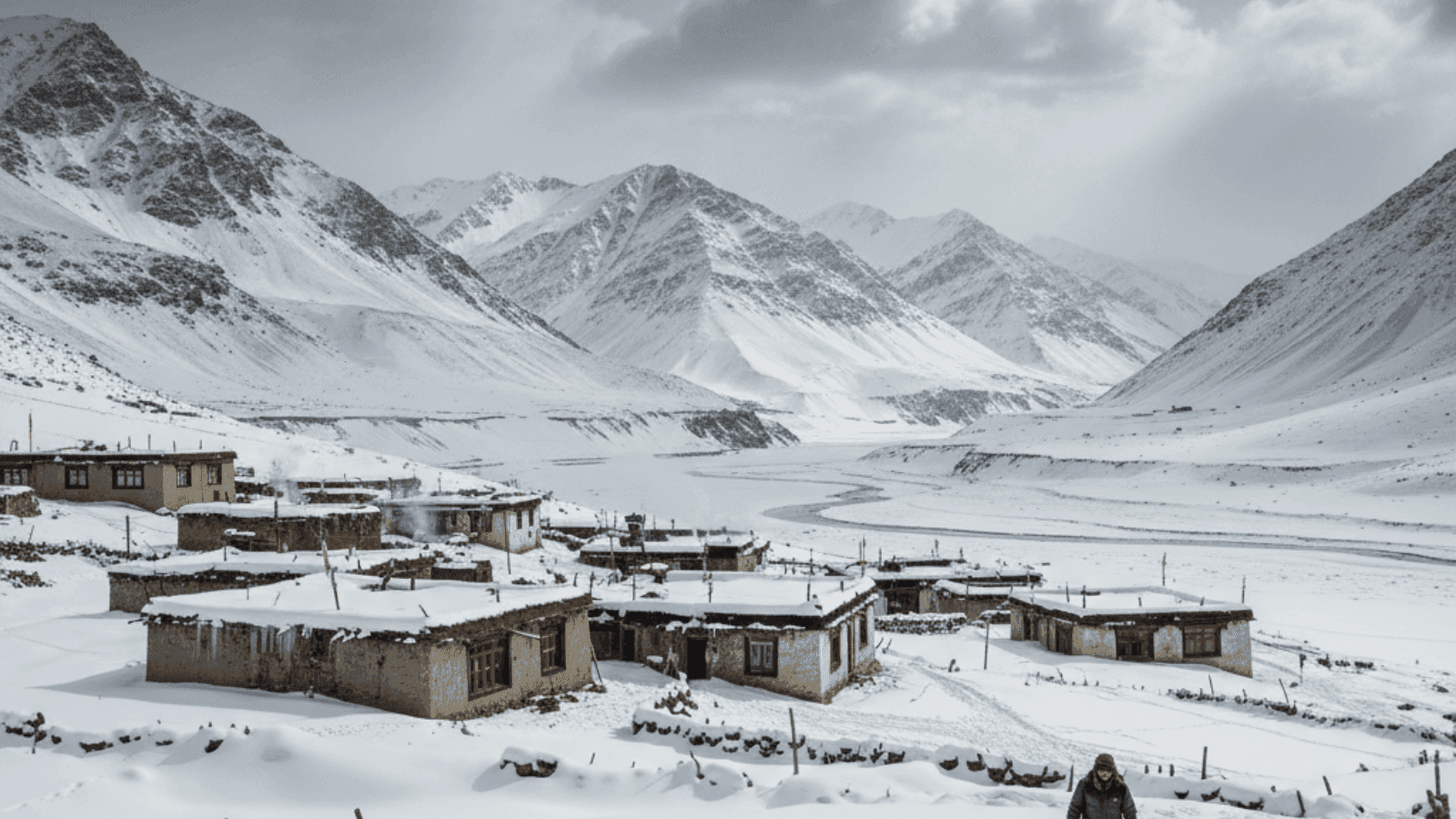
From mid-December to early March, Spiti operates in survival mode. Daytime temperatures often stay below freezing, nights drop well past –20°C, water lines freeze, and electricity runs on limited schedules. Roads exist, but movement depends on snowfall, local knowledge, and patience.
This is when the valley stops adjusting itself for visitors.
Who Should Visit Spiti in Peak Winter
Travelers Comfortable With Discomfort
If you already know how your body reacts to extreme cold, long indoor hours, and basic facilities, winter Spiti makes sense. Heating comes from bukharis, not switches. Bathing is infrequent. Layers stay on indoors. People who find meaning in routine disruption tend to settle in faster.
Photographers Who Don’t Chase Checklists
Winter Spiti is slow light, long shadows, and silence broken by wind. Monasteries sit empty, villages feel paused, and snow reshapes familiar landmarks every night. You wait for shots instead of collecting them.

Travelers Interested in Daily Life, Not Highlights
Peak winter shows how Spiti functions when no one is watching. Locals plan water usage, ration supplies, and move with intention. Conversations happen around stoves, not viewpoints. If your curiosity extends beyond landscapes into how people endure altitude and cold, winter opens those doors.
Return Visitors to Spiti
First impressions can wait. Winter rewards those who already understand Spiti’s geography and distances. You know which villages remain accessible, which monasteries stay open, and how long roads actually take when snow slows everything down. Familiarity reduces frustration.
Slow Travelers With Flexible Timelines
Plans change without apology in winter. Snowfall can halt movement for hours or days. Buffer days are not optional. If your schedule has room to breathe, delays become part of the experience rather than a problem.
Who Should Stay Back
First-Time High-Altitude Travelers
Spiti in winter is not where you learn how altitude feels. Oxygen levels, cold stress, and dehydration compound quickly. Acclimatization is slower because movement is limited. Summer teaches your body first. Winter tests it.
Travelers Expecting Comfort or Control
Hot showers, predictable electricity, strong mobile networks, and fixed itineraries do not exist consistently. Even well-managed homestays prioritize safety over convenience. Frustration sets in fast if comfort is non-negotiable.
Checklist-Driven Sightseers
Many lakes freeze, passes close, and certain villages become unreachable. Chandratal and Kunzum are off the map. Sightseeing compresses around what remains open. If missing locations feels like failure, winter will disappoint.
People Traveling With Young Children or Elderly Members
Medical facilities are limited. Evacuation during heavy snowfall is difficult. Cold tolerance varies widely across age groups. Winter Spiti requires physical resilience from everyone involved.
Travelers Without Cold-Weather Experience
Sub-zero travel is a skill. Managing frostbite risk, conserving heat, and understanding how vehicles behave on ice matters more than enthusiasm.
What Daily Life Looks Like for Winter Visitors
Accommodation and Heating
Most stays operate with one heated common area. Rooms stay cold outside sleeping hours. Water is stored, not flowing. Meals are simple, calorie-dense, and timed around heating cycles.
Roads and Movement
The Shimla–Kinnaur–Kaza route is the primary access during winter, subject to short closures after snowfall. Travel happens during daylight. Night driving is avoided. Local drivers read snow the way others read maps.
Food and Supplies
Fresh produce is limited. Stored vegetables, grains, and local preparations dominate meals. Eating becomes functional, comforting, repetitive. You stop asking what’s available and start appreciating what exists.
The Question Isn’t Whether Winter Spiti Is “Worth It”
It is whether you are suited to stillness, cold, and uncertainty without needing constant payoff. Some trips entertain. Some trips strip things away. Winter Spiti does the second. Want to feel right at home in Spiti’s winter chill? Neomaxer lists cozy stays with warm hospitality, thoughtful amenities, and the perfect spots to soak in the valley’s quiet magic.









