
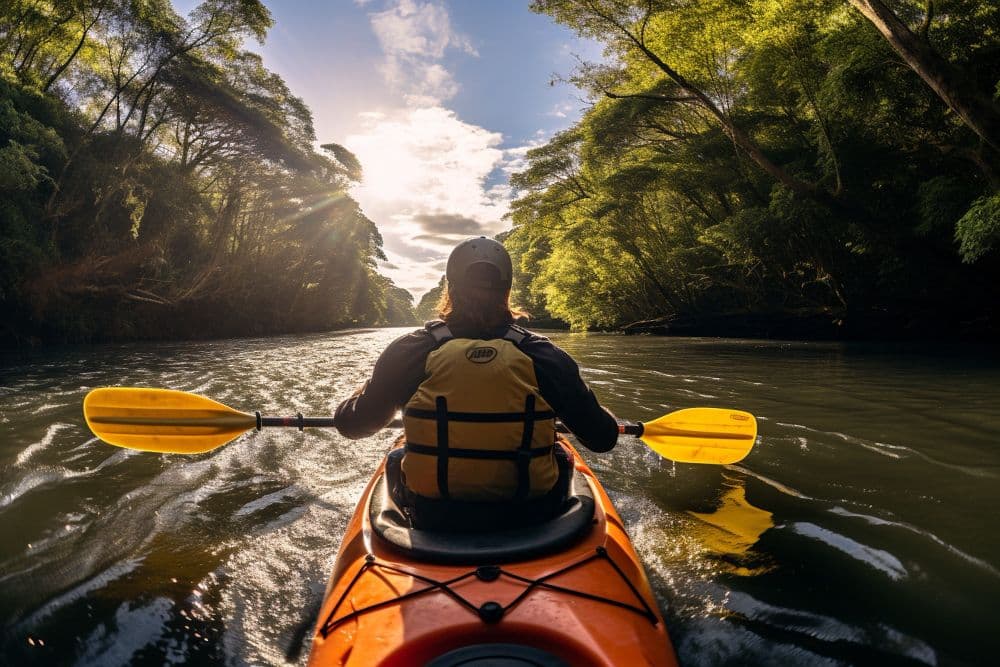
The first time the Kali River slams the side of your raft hard enough to rattle your teeth, you realise rafting in Dandeli is not a photo op, it is a negotiation with fast, brown water running through real forest.
Reading the river and the forest together
Locals in Dandeli do not describe rapids with adjectives; they tell them with signs. A certain bend where branches always collect. A rock that disappears in October and returns in March. The pitch of the roar before a drop. Walk down to the put-in and listen:
- If the guides are speaking quietly, eyes on the current, the river is serious that day
- If forest guards stand further back from the bank than usual, they are giving the water more room
- If the air smells of fresh mud and leaf rot, it has rained upstream, and levels may rise
The Dandeli river rafting location sits where the Kali squeezes between thick jungle and rocky shelves. This is not a manicured riverbank. Crocodiles warm themselves on sandbars. Hornbills cross above your head. You are moving through shared land.
Choosing the stretch that will test, not break you
Not all water rafting in Dandeli is the same. Operators slice the river into distances that sound like numbers on a sheet, but each has its own personality. Typical Dandeli river rafting distance options:
- Short run, around 3 to 4 km, with a handful of Grade II and III rapids, good for first timers or nervous swimmers
- Classic long run, roughly 9 to 12 km depending on season, with a tighter sequence of rapids that leave less room for drifting and daydreaming
The best river rafting in Dandeli for you? It's the kind that gets your heart pounding but doesn't totally freak out your friends. If you're the type who gets nervous just jumping into a pool, going for the longest route isn't some macho achievement; it's just four hours of pure panic.
Season, release, and the dam’s quiet decisions
The Kali here is partially in human hands. Release from the nearby dam decides whether the river is fat and fast or bony and technical.
In peak post monsoon months, the water is high, muddy, and powerful. Rafts crest waves, then vanish in troughs where only paddles and helmets show. In leaner winter periods, more rocks appear, and rapids become sharper but slightly less heavy. Watch for:
- Operators are cancelling afternoon slots after sudden dam releases
- Experienced guides switching trips from long to short runs without argument
- Forest staff instructing groups not to loiter at specific bends
If someone is still trying to sell you a trip when the river is clearly being held on a tight leash, you are not their priority.
Gear that tells the truth
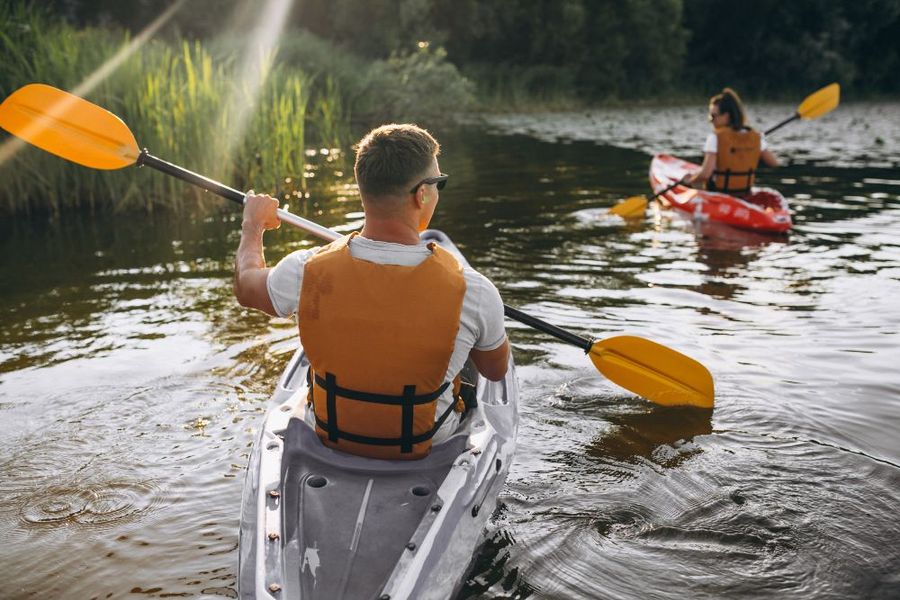
Helmets with spiderweb cracks, jackets that ride up to your ears when pulled, paddles with duct-taped blades, these are your broken fences in the tea estate. Before you sit, check:
- Jacket straps cinch tight at the waist and chest, and do not slip when tugged
- Helmet buckles close cleanly, with no missing padding inside
- Guide carries a throw rope and first aid kit, not just a whistle
Good outfits will fit your gear carefully, refuse flip flops, and ask about medical issues without embarrassment. If it feels rushed at the shore, it will feel worse when the raft hits its first hole.
What your body needs to bring
The river brings power. You make decisions. Carry and wear:
- Proper footwear that can stay on in currents, not loose sandals
- Quick-dry clothes that will not turn to ice when wet in the wind
- A strap for prescription glasses, nothing around your neck that can snag
Eat light, but do not go empty. Warm up your shoulders and lower back on the bank. Once in the raft, listen to the guide’s commands as if they were the only language the river understands.
Fear, swim drills, and when to say no
High volume rafting in Dandeli will scare you at some point. That is normal. What matters is how prepared you and your guide are for that moment. In a decent briefing, you should:
- Practice how to sit and lock your feet
- Learn how to float on your back with your feet downstream if you fall in
- Hear clear instructions on what to do if the raft flips
If all you hear is “don’t worry, nothing happens here,” treat it as a story that old estate workers would never tell. Things do happen here. Rocks move. Currents fold. Boats flip. Respect keeps the stories boring.
If this kind of watchful, nerve-testing river time draws you in, it helps to first learn how to read rock, gradient, and risk with your own feet, and you can get to know more about the Ramnagara trail by Neomaxer before you trust your body to guided currents on powerful water.









