
The Months When Vietnam Is Comfortable to Travel
Vietnam has a way of feeling calm one month and effortlessly smooth the next. Sometimes it is not about where you go, but when you land. Pick the right weeks, and moving through cities, food streets, and coastlines starts to feel surprisingly relaxed.
What “easy” travel really means in Vietnam
Ease in Vietnam is not luxury or silence. It is predictable transport, tolerable heat, dry sidewalks, and attractions that do not require negotiation or endurance. When these line up, the country moves at a pace that lets first-time travellers relax into it instead of constantly adjusting plans.
The North
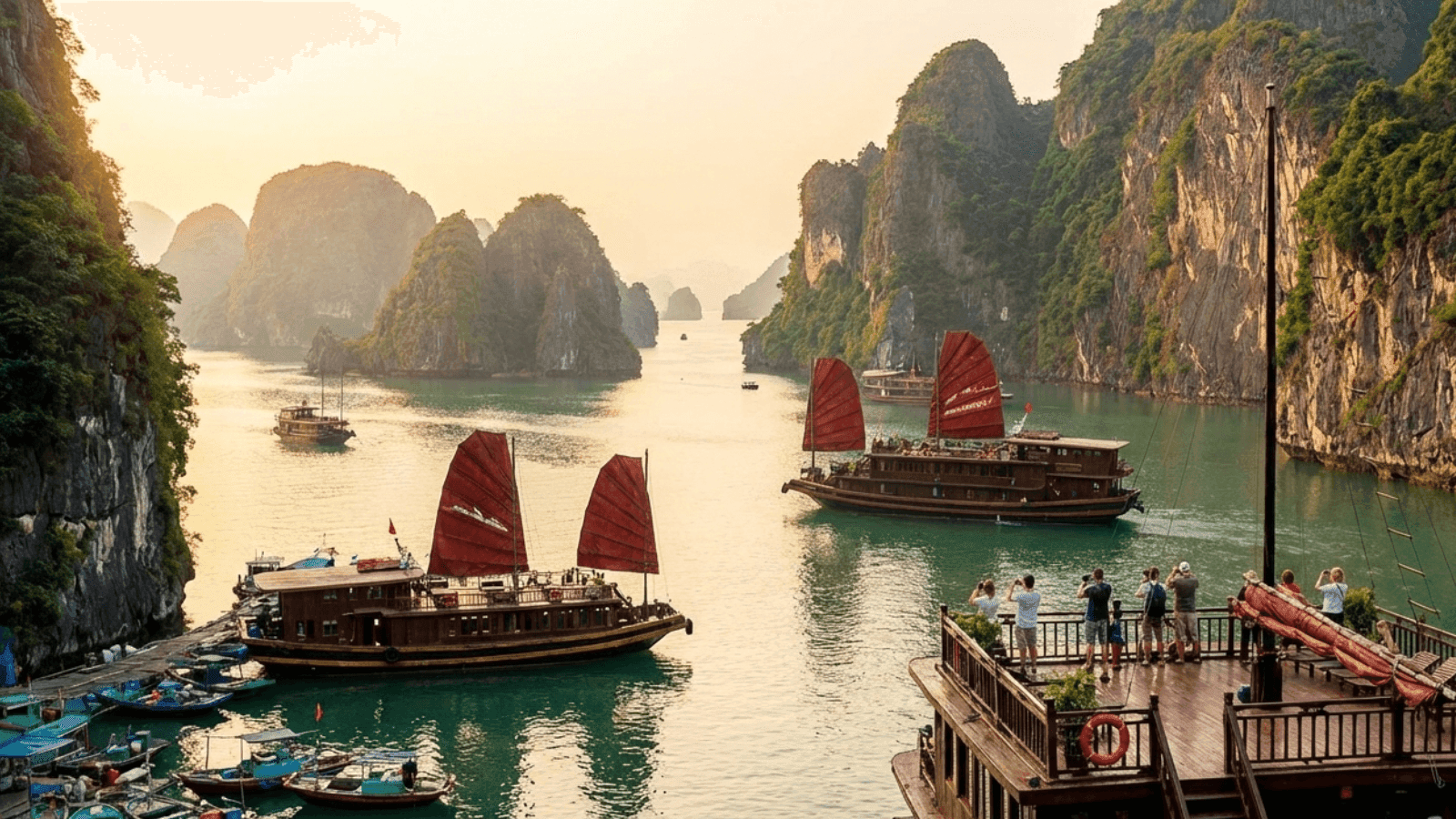
Hanoi and Halong Bay: October to early December
This is when Hanoi becomes walkable again. Humidity drops, evenings cool down, and the city’s constant motion feels manageable instead of overwhelming.
Halong Bay cruises run more reliably in this period. Visibility improves, seas are calmer, and cancellations due to storms are less frequent. December still works, but by late month, fog can roll in and dull the limestone views.
Sapa and the mountains: Late September to November
Rice terraces turn golden just before harvest, and trails dry out enough for comfortable trekking. Summer landslides taper off by this point, making road travel safer and more predictable. Winter cold does arrive, but it is a dry cold that feels easier to layer for than to escape from.
Central Vietnam
Hoi An and Da Nang: February to April
These months bring stable weather without peak heat. Hoi An’s old town is easier to explore without midday downpours or oppressive humidity. Da Nang’s beaches stay calm, and day trips actually happen as planned.
From September onward, floods and storms start interfering with travel logistics, sometimes for days at a stretch.
Hue: Late winter to early spring
Hue’s long rainy season makes it one of the least forgiving cities when weather turns. Late February and March shorten those rain spells, allowing temple visits and river walks without constant shelter-hopping.

The South
Ho Chi Minh City: December to March
Dry season brings clear skies and manageable heat. Traffic never gets easier, but walking between neighbourhoods becomes possible without needing frequent breaks.
Markets, museums, and food streets function smoothly when rain stops dictating opening hours.
Mekong Delta: January to April
Low water levels make boat routes predictable. Homestays and floating markets run on regular schedules rather than weather-driven improvisation. By May, heat and rising water complicate both transport and comfort.
Public transport feels easier in shoulder seasons
Trains and buses operate year-round, but comfort changes dramatically by season. During peak summer and major holidays, seats fill fast and delays compound. In shoulder months, night trains are quieter, bus terminals calmer, and staff less rushed. Ease shows up in small moments, like choosing seats instead of taking what is left.
Food travel becomes simpler outside extreme heat
- Vietnamese food is eaten in motion, often on plastic stools, under open skies.
- When heat peaks, meals become rushed and dehydrating.
- Moderate weather allows long breakfasts, late-night street food crawls, and market wandering without exhaustion.
- This changes how the country feels more than most travellers expect.
Festivals can complicate or simplify travel
- Tet is beautiful and disruptive at the same time.
- Transport books out, cities empty, and prices spike.
- After Tet, the country settles quickly. Businesses reopen with fresh energy, and travel resumes with fewer crowds but better services.
- Late February and March benefit from this reset.
First-time travellers feel the difference most
Vietnam always has complexity, but beginners feel it less when logistics behave. Border crossings, domestic flights, and hotel check-ins run smoother outside peak seasons. The mental load drops when fewer variables change at once. This is often the difference between reacting to Vietnam and actually enjoying it.
Easy travel depends on daylight as much as weather
Shorter daylight in winter affects rural travel more than city trips. Longer days in spring and early summer allow flexible pacing without rushing. Sunset timing matters when transport runs late or distances stretch unexpectedly. If you want to experience Vietnam during its most comfortable travel months, where days feel balanced and movement feels natural, Neomaxer helps you stay in places that fit the rhythm of the season.









