
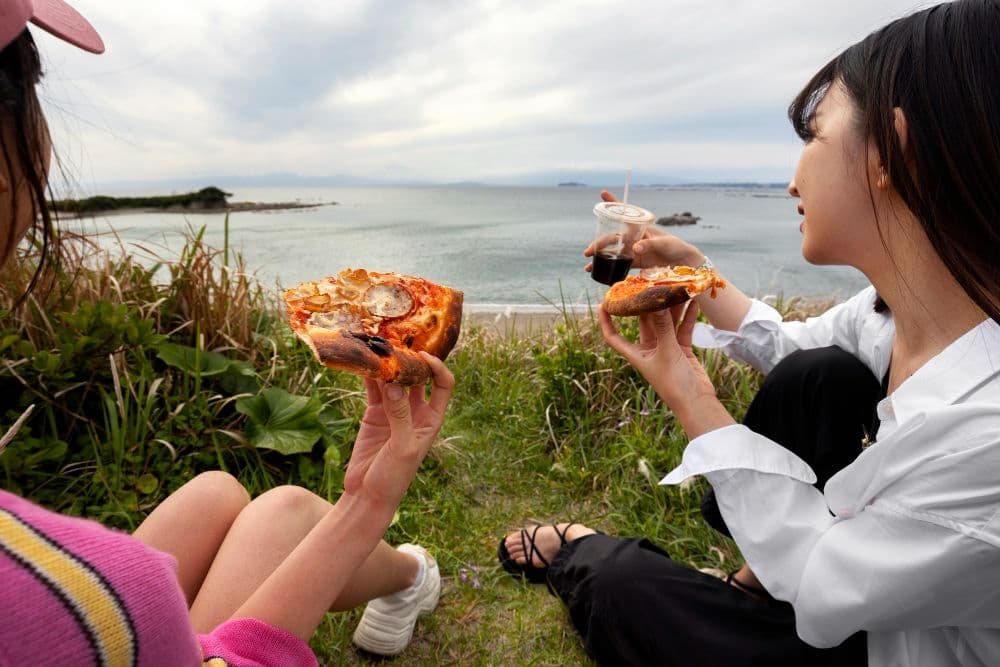
The first bowl of pho I trusted came after three days of watching steam, plastic stools, and how slowly people ate, and that is when eating in Vietnam, Japan, Bali stopped being about trying everything and started being about choosing what my body could wake up with the next morning.
Vietnam: watching the pot before touching the chopsticks
In Vietnam, people do not lecture you about health. They show you with pace. A street corner stand that sells out and closes early. A soup pot that never stops breathing. Before asking what to eat in Vietnam, I watched:
- How often were fresh herbs restocked
- Whether broth was ladled from deep inside the pot, not the tired surface
- How many office workers trusted the place at noon
Vietnam eating habits are built around bowls that feel light but anchored. Broth, rice, herbs, protein, crunch. No menu descriptions, just repetition. When I thought about what to eat in Vietnam for vegetarians, the answer came from stalls where tofu and morning glory went out almost as fast as the meat.
There were people eating Vietnam street food at low plastic tables, then standing up without that heavy, punished look. That became a sign.
When you crave home on a foreign street
Some evenings, the smell of star anise and fish sauce was too much, and I went looking for something familiar. Eating Indian food in Vietnam meant small places run by migrants, chapatis puffing over flames while scooters hissed outside. It was not about authenticity scores. It was about coaxing a tired stomach back onto the road gently.
Japan: precision and quiet bowls
Japan teaches you to read rules without being told. Lines that form themselves. Bowls placed gently, not dropped. Doors that close softly behind you.
Eating in Japan restaurant chains and tiny counters followed the same code. You respect the space, the chef respects your time. Ticket machines at the entrance removed small talk; you chose with your eyes and a few numbers. Inside, eating in a Japanese restaurant meant:
- Listening first, speaking later
- Matching the pace of people around you
- Finishing what you ordered as a kind of promise
Here, eating right was less about ingredients and more about rhythm. No grazing through the day, no giant single meal. Just steady, measured fuel that lets you walk to another station without complaint.

Bali and Indonesia: heat, rice, and small plates
In Bali, the air itself votes on what you should eat. Heavy, floral, sometimes sharp with incense and petrol. You learn quickly that fried and creamy belong to evenings, never to noon.
Eating food in Indonesia often means walking into a warung and pointing, not ordering. Trays of vegetables, tempeh, sambal, and grilled fish. Rice is holding it all together. The most useful rule was simple: colors and greens half the plate, anything deep-fried kept to a corner.
On long stretches inland or back on Java, eating right meant watching truck drivers and local families. Where they stopped, I stopped. When they chose coconut water over soda, I copied them. The link between the plate and the next few hours on a bike was obvious every time the sun rose.
Indian road trips: fuel at highway speed
On Indian highways, food is part of the road itself. Smoke from a tandoor curls over diesel fumes. Tea glasses lined like tiny milestones.
Eating right here meant not being seduced by everything sizzling. Long drives turned the body slow, so I looked for:
- Dhabas with busy kitchens and simple menus
- Fresh rotis, dal, and one sabzi instead of heavy, rich spreads
- Chai in small cups, taken often, instead of large sugar bombs
The rule of the road was old but sharp. Eat so you can drive the next hundred kilometers without a fight between your stomach and the steering wheel.
A quiet pattern underneath four places
Across these journeys, the menus changed, but the signs stayed familiar. Locals who were not sick or sluggish. Pots that turned over fast. Plates where freshness won over show.
When I forgot and chased a list instead of these signals, my body reminded me. Sleepless nights. Heavy mornings. Long bus rides where every bump felt like an argument with last night’s choices.
If tracing your own route through eating in Vietnam, Japan, Bali and long Indian roads sounds like the way you want to travel, let these small signs guide both your plate and your pace, and give yourself a base that is just as kind to your body by booking your stay via Neomaxer for this holiday so your room, like your meals, helps you wake up ready for the next stretch.









