
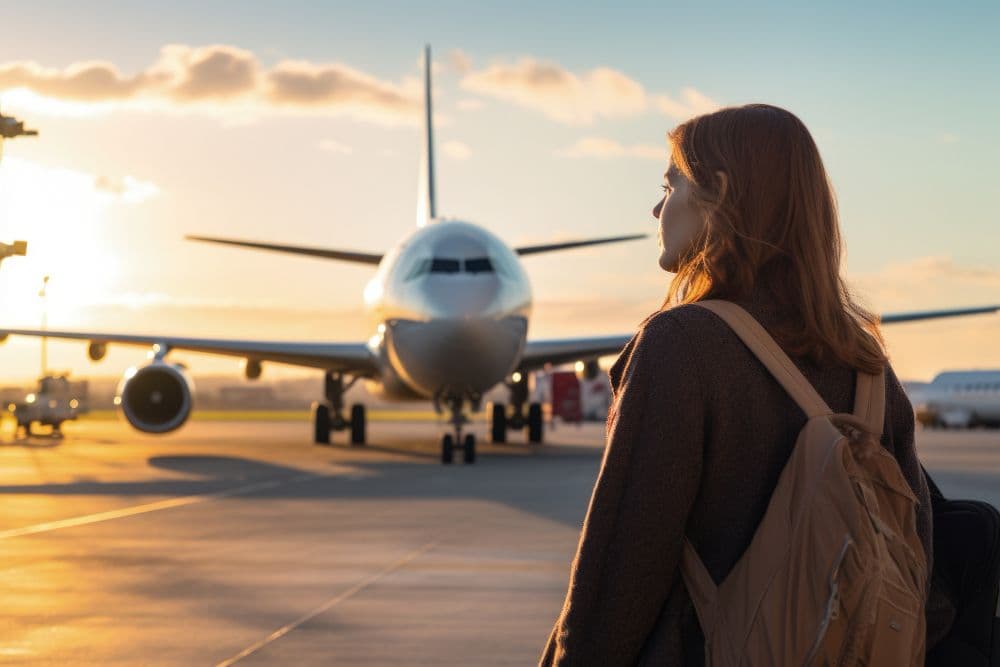
The first breath of stale, conditioned air as the cabin door closes tells you more about long flights than any glossy airline ad ever will.
What comfort really means at cruising altitude
Comfort at 35,000 feet is not luxury. It is the absence of small miseries stacking up. A waistband that does not dig in. A neighbor who can pass without you fully waking. A blanket that actually traps warmth instead of static.
You read the cabin like forest signs. How quickly shades come down. How many people are already barefoot. How often the crew walks the aisle with water without being asked. These quiet details predict whether the next ten hours will feel endurable or endless.
Prepare your body before the seat reclines
Most advice about long flights international focuses on gadgets. The real work begins a few hours before boarding.
Pre flight choices that make or break the journey
Think in terms of what your body has to process at altitude.
- Eat something simple and familiar 2 to 3 hours before takeoff
- Drink more water than you think you need, then keep sipping slowly
- Avoid heavy alcohol and too much caffeine, which worsen dryness and jitters
- Dress in soft layers you can add or remove without climbing over anyone
These are the tips for long flights in economy that do not cost extra, yet shape every hour that follows.
Designing your seat space like a small room
Picking the right spot for this particular flight
Seat selection is a kind of quiet strategy. On a daytime crossing, a window gives you a wall to lean on and fewer interruptions. Overnight, an aisle lets you stand and stretch without negotiating with strangers.
If engines bother you, sit forward of the wing. If turbulence frightens you, sit over it where motion is often least. The goal is not the perfect seat, it is the least stressful one for you on this specific route.
Building a minimalist comfort kit
Your seat is bare land. You bring the trees. A few small items turn it into a space you can stay in. Pack where you can reach:
- Earplugs and an eye mask to rewrite light and sound on your own terms
- A soft neck pillow or rolled scarf for real head support
- Lip balm and a small moisturizer for the desert dry air
- A big, refillable water bottle to avoid relying on tiny cups
You are not recreating your bedroom. You are giving your body enough props to forget, for a while, that it is in a metal tube.

Movement, mind, and the long middle of the flight
Cabin aisles are the footpaths of this shared sky. Every few hours, they tell stories. People stretching calves, parents rocking babies, someone quietly pacing with eyes fixed on nothing.
If you are working out how to survive long flights with anxiety, movement and rhythm matter more than entertainment. Set gentle alarms to stand, roll your ankles, stretch shoulders. Break the flight into chunks between meals or drink rounds.
Breathing patterns help. Inhale for four counts, hold for four, exhale for six. Repeat until your shoulders drop away from your ears. Watch the wing or the map, anything that moves steadily and predictably. Let that steadiness argue with your fear.
Light, sound, and the decision to sleep
On long sectors, you will see the cabin slide through phases. Overhead lights dim, window shades close, screens glow in scattered constellations. Your comfort depends on choosing when to join that darkness.
If you're gonna try to sleep, just do it like you would at home. Cut down on the phone scrolling for a bit, throw on your eye mask, and fidget with your seat till it stops feeling weird. Grab a little snack instead of a big meal it tricks your body into thinking it's bedtime, even if the clock's saying something totally different.
Short naps can be kinder than chasing eight broken hours. Each one is a small reset between time zones.
What you do after landing counts too
The plane touches down, the door opens, and new air hits your face. This is where many people undo every careful choice they made on board. Rushing into complex plans, picking arguments with taxis, overeating at the first airport café.
Comfort on long flights is finally proven by how you feel six hours after landing. If you can walk, eat lightly, and stay civil without forcing it, you managed the journey well.
And if you want that feeling to carry all the way into your first night in a new city, let the guidance on this blog shape your flying habits and back them up with a quiet room you can actually recover in by booking your stay via Neomaxer for this holiday so even your longest long flights end in a bed that feels like shared ground, not another ordeal.









