
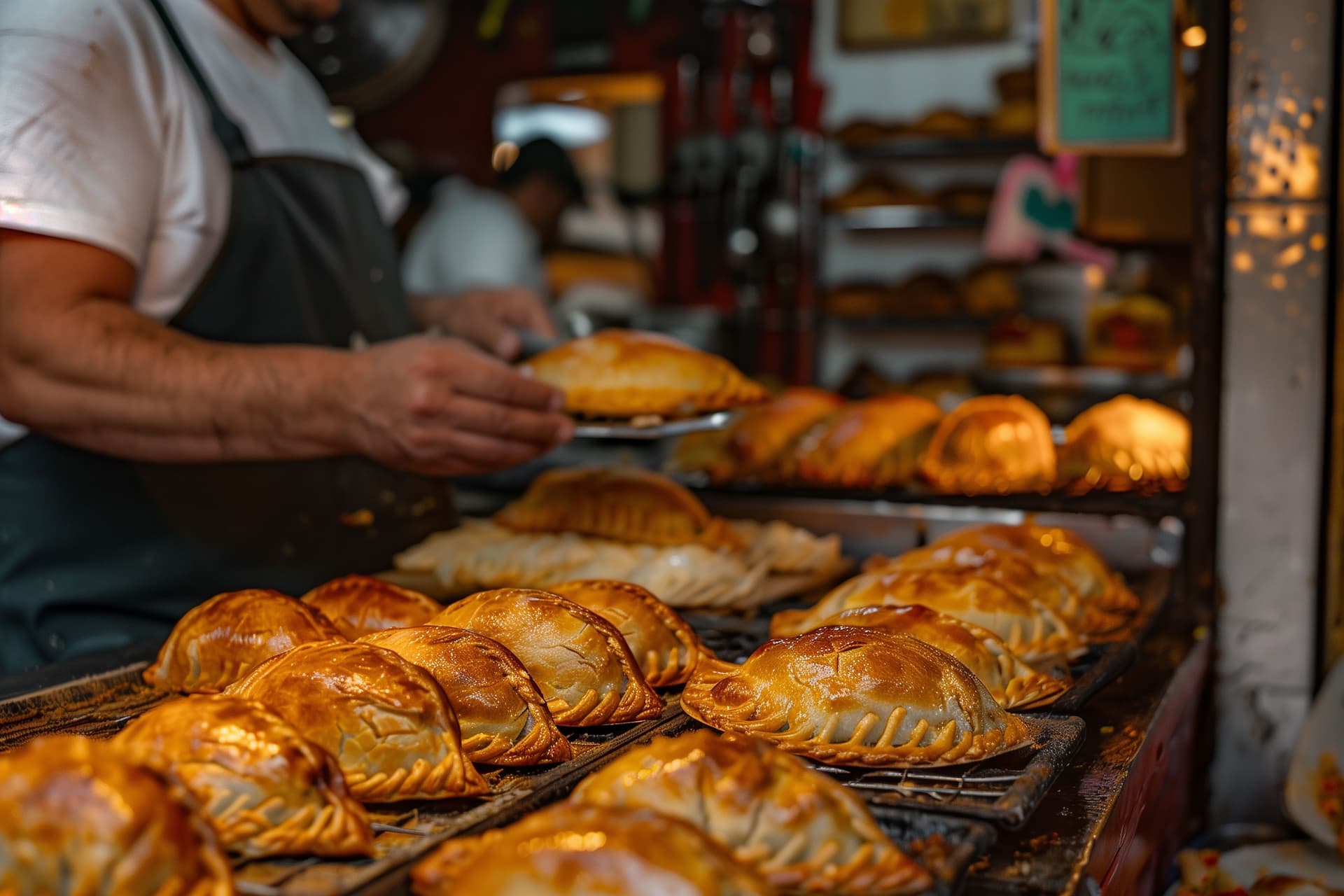
Warm bread scent spills onto the street in Kolkata as a wooden door swings open at dawn. Baker's dust flour from their hands, cycle bells ring past, and the city wakes up to a tradition that has quietly shaped its mornings for over a century.
Where ovens met the city
Kolkata learned to love bread during colonial times, when European bakers set up small shops near busy crossings. The habit stayed, passed from ovens to homes, until bread and cake became as local as mishti doi. Walking these lanes feels like following crumbs through history.
New Market and the heart of trade
New Market, often called the Kolkata Bazar by locals, hums with spice sellers, fruit carts, and bakeries tucked between fabric stalls. You weave past voices and baskets to find glass counters stacked with pastries and loaves. Every stop smells different, sweet or yeasty, depending on what just came out of the oven.
Nahoum’s and the Christmas legacy
Inside New Market, Nahoum’s still draws long lines for plum cakes and rich brownies. The shop keeps its old wooden shelves and handwritten bills, refusing to rush time. During Christmas, families travel across Kolkata just to carry home boxes tied with a string.
People talk while waiting, sharing which cake they prefer and who sent it. The bakery becomes a meeting point, not just a shop.
Cakes that mark the season
Plum cake here is more than a dessert; it signals the holidays. Slices get wrapped, gifted, and eaten slowly with evening tea.
Flurys and Park Street mornings
Park Street mornings start with the soft clink of cutlery at Flurys. The windows fog up as coffee meets cool air, and trays of pastries roll past tables. Croissants, rum balls, and cream rolls feel at home in a city that loves indulgence.
You sit, watch people pass, and let butter melt on warm bread. This is one of those things to do in Kolkata that turns into a habit.
A table for every story
Students revise notes, elders read papers, and travelers plan routes. The bakery holds all of them without fuss.
Bow Barracks and old ovens.
In Bow Barracks, Anglo Indian families still bake at home, filling narrow lanes with smells of coconut drops and fruit cakes. Red brick buildings echo with laughter and clattering tins. Recipes here move through generations, written in notebooks stained with sugar. You might be invited in, offered a slice before you even ask. Hospitality comes baked into the walls.
Evenings mean open windows and cooling trays. The air itself feels sweet.
Chinese bakeries of Tangra
Tangra, known for its Chinatown, adds another layer to Kolkata’s baking story. Small shops sell pork buns, sponge cakes, and soft bread with a light crust. Steam rises from bamboo baskets, mixing with the smell of fresh dough.
These bakeries serve both breakfast and late-night cravings. They show how flavors travel and settle into the city.
Workers stop by early, grabbing warm buns wrapped in paper. The day starts on the move.
Street corners and bread carts
Not all baking lives behind counters. Street carts sell buttered bread, jam sandwiches, and warm pav rolls straight from tin boxes. Kids on their way to school crowd around, coins ready.
These quick bites shape everyday life more than famous shops. They make bread on the street.
A soft slice with melting butter can beat any fancy pastry. Comfort does not need decoration.
Walking through baking and beyond
You walk past bakeries and suddenly reach bookshops, churches, and tram lines. That is Kolkata, where food blends into everything else. From St. Paul’s Cathedral to College Street Coffee House, baking fits naturally into the walk.
When people list the top 10 tourist places in Kolkata, they often forget the small bakeries between them. Yet these stops make the route warmer.
Every famous turn has a quiet shop nearby. You notice once you start looking.
Markets, lanes, and tea breaks
From Gariahat to Burrabazar, small ovens hide behind busy fronts. The smell cuts through traffic and calls you in. Tea stalls stand next door, ready for dipping biscuits. The Kolkata bazar culture keeps baking close to daily trade. Bread sells beside fish, flowers, and rice.
Biscuits and cakes rarely travel alone. Tea completes the ritual.
Why bread stayed
Kolkata kept baking because it fit its rhythm. Slow mornings, long evenings, and a love for sitting and talking needed food that stayed warm and shared easily. Bread did that job well.
It became part of adda, part of festivals, part of ordinary days. No long talk survives without something to nibble. Baking answers that need.
Finding your own trail
Follow your nose through lanes, not maps. Stop where steam fogs the glass and locals line up. Ask what just came out of the oven. Among all Kolkata places, bakeries offer the quickest welcome. They need no tickets, only curiosity.
It rarely leads you wrong in this city.
Ending on warm hands
You stand on a busy corner, paper bag warming your palms, watching trams roll past, and people hurry by. Crumbs fall as you tear a piece, still soft, still steaming, still carrying the quiet story of ovens that shaped Kolkata.









