
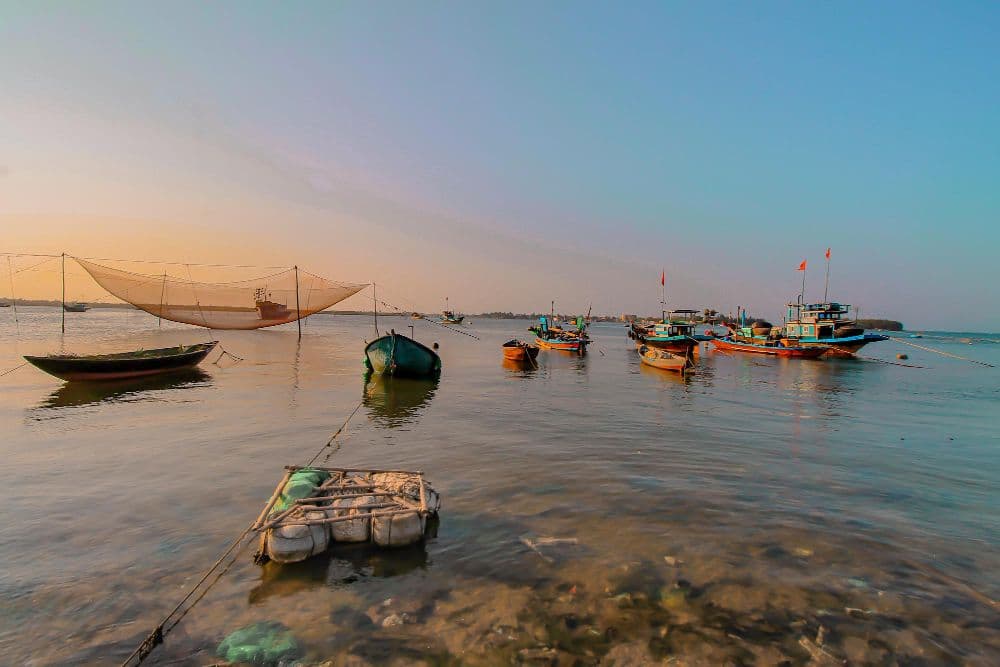
Waves tap the shoreline before dawn, and waking up in Mulki feels like opening your eyes inside a steady rhythm shaped by water and wind. Mulki does not announce itself loudly, yet the sea makes its presence known long before the town stirs. Boards rest against walls, footprints mark damp sand, and Mulki quietly signals that mornings here belong to the ocean.
A coastal town shaped by water
Mulki, Karnataka, sits where river and sea meet without conflict. Fishing boats share space with surfboards, and neither feels out of place. Life here bends gently around tides rather than schedules.
Sounds arrive slowly. Water folding onto itself, palm leaves brushing together, footsteps moving toward the shore without hurry. Even conversations feel softer, as if voices instinctively lower to match the pace.
Mulki Beach at first light
Mulki Beach looks different before the sun climbs. The sand stays cool, the horizon stretches wide, and the water feels forgiving rather than demanding.
Surfers paddle out early, tracing calm paths across glassy waves. Standing still on the shore, you understand why people keep coming back without needing explanations or promises.
How surfing arrived quietly
Mulki surfing did not arrive as a trend. It grew through curiosity, patience, and waves that welcomed mistakes.
Travelers stayed longer than planned. Locals watched, learned, and joined. The sea made space for everyone willing to fall, try again, and listen.
Learning without pressure
Lessons start slowly, often with more talking than movement. Balance is practiced on sand, and timing is explained before the technique.
Falling becomes part of the process. Laughter follows splashes, and progress comes without force or comparison.
The river’s subtle role
A river flows close by, shaping sandbanks and quietly changing how waves form. Each season redraws the shoreline in small but noticeable ways.
Surfers here learn to read water daily. No spot stays the same, and adaptability becomes as important as skill.
Mulki as a natural classroom
The waves rarely punish beginners. They forgive late pop-ups and uneven stances, allowing confidence to grow slowly.
Fear fades because the sea offers room. Learning feels steady rather than rushed.
Life alongside the ocean
Fishing families have known these waters long before surfboards appeared. Weather patterns and tides guide routines passed down through the years.
Mutual respect settles easily. Surfers learn where to stay clear, and fishermen observe newcomers finding balance for the first time.
Days without urgency
Time stretches comfortably in Mulki. Sessions end when arms feel tired, not when clocks demand it.
Hammocks sway, tea cups refill, and damp hair dries under the sun. Rest feels earned and deeply unhurried.
Food after the water
Meals taste richer after saltwater. Simple fish curry, rice, and coconut flavors feel grounding in a way that lingers.
Menus stay short. Freshness matters more than variety or presentation.
Beyond the waves
When muscles ask for a break, Mulki still offers movement. Walk along riverbanks, cycle quiet village roads, or sit watching boats return at dusk.
Things to do in Mulki often involve observing rather than consuming, letting moments unfold naturally.
Evenings along the shore
Sunsets gather people without planning. Boards are rinsed, wetsuits peeled away, and stories shared without exaggeration.
The sea calms, holding colors longer than expected, as if reluctant to let the day end.
Weather and shifting moods
Surf days depend on wind and tide. Monsoon months bring stronger waves and fewer learners.
Other seasons keep conditions friendly, making Mulki surfing accessible through much of the year without pressure.
Who comes and why they linger
Visitors arrive from nearby towns and faraway cities. Some stay for a weekend, others for weeks without clear plans.
Mulki Mangalore's proximity makes the journey easy, but leaving often feels unexpectedly difficult.
Understanding Mulki distance
Mulki's distance from Mangalore is short, the drive easing gradually into coastal calm. Many search for Mulki beach from Bangalore, surprised by how quickly noise fades into quiet roads and open skies.
A surf culture without ego
Nobody asks how long you have been surfing. Ability shows itself naturally in the water. Advice arrives gently. Encouragement flows more freely than instruction or correction.
Patience as a lesson
Surfing here teaches waiting. Waiting for sets, timing, and the right feeling to rise. Mulki rewards those who stop forcing outcomes and start listening instead.
Tides as daily conversation
Tide charts become part of everyday talk. People discuss them over meals like weather updates.
Understanding water becomes instinctive rather than technical.
Shared rhythms
Children play along the shore while surfers paddle past. Life and sport overlap easily. No clear lines separate locals from visitors, effort from leisure.
Quiet confidence
Mulki does not market itself aggressively. Discovery happens slowly, almost privately. That slowness makes connections feel personal and lasting.
Simple routines
Wake early. Surf. Eat. Rest. Repeat.
The rhythm becomes comforting rather than repetitive, grounding rather than limiting.
Monsoon changes
During the rains, the landscape shifts. Greens deepen, rivers swell, and waves grow louder and heavier.
Surfing becomes technical. Watching becomes just as absorbing.
Respecting the sea
Safety conversations happen honestly. Conditions are explained clearly, without bravado.
The ocean remains friendly but never underestimated.
Moments without cameras
Photos happen naturally. Sessions continue without pauses for perfect shots. The strongest memories stay unrecorded, held quietly instead.
Conversations on sand
Strangers become familiar quickly. Shared struggles in waves break barriers. Stories move easily across accents, languages, and backgrounds.
Mulki as a reset
Many arrive exhausted. Deadlines and urgency dissolve here without effort. The body resets before the mind notices it happening.
Returning becomes natural
Some leave promising to return. Many do, without overthinking why.
Mulki works quietly over time, settling into memory.
Balance learned ashore
Surfing demands effort and surrender together. Mulki mirrors that balance on land. Pushing rarely works. Letting go often does.
Watching growth
Beginners wobble, fall, and stand again. Cheers rise naturally from the water. Progress feels shared rather than competitive or measured.
Mornings that feel earned
Alarms become unnecessary. The sea calls softly before light appears. Waking early feels like a privilege, not discipline.
Small joys repeated
Wet sand between toes. Salt drying on skin. Muscles are pleasantly sore. Plans matter less than sensation and presence.
Leaving lightly
Visitors learn to respect space. Silence holds value and meaning. Care is expected without signs or reminders.
Travel talk
Routes, boards, and seasons come up casually. Mulki distance discussions happen over coffee and coconut water.
Advice is shared freely, without obligation.
Presence as practice
Surfing demands focus. The town supports that attention naturally. Distractions fall away without effort.
In between days
Some mornings, the sea stays flat and lessons pause without disappointment. People sit on boards with legs in the water, talking about nothing important. Someone points at a distant dolphin, and another floats quietly on their back. Mulki allows these days without guilt.
Letting water do the work
Not every visit is about improvement. Some days are about letting the ocean hold you without expectation. Even without riding a wave, you leave feeling lighter, as if the water worked quietly while you were not paying attention.
Final mornings by the sea
On the last day, boards feel familiar, waves feel kinder, and hesitation gives way to trust. Leaving Mulki feels like turning the volume down rather than switching the sound off, because the rhythm stays inside you, steady and calm, shaping how you wake, how you wait, and how you move with water and time.









