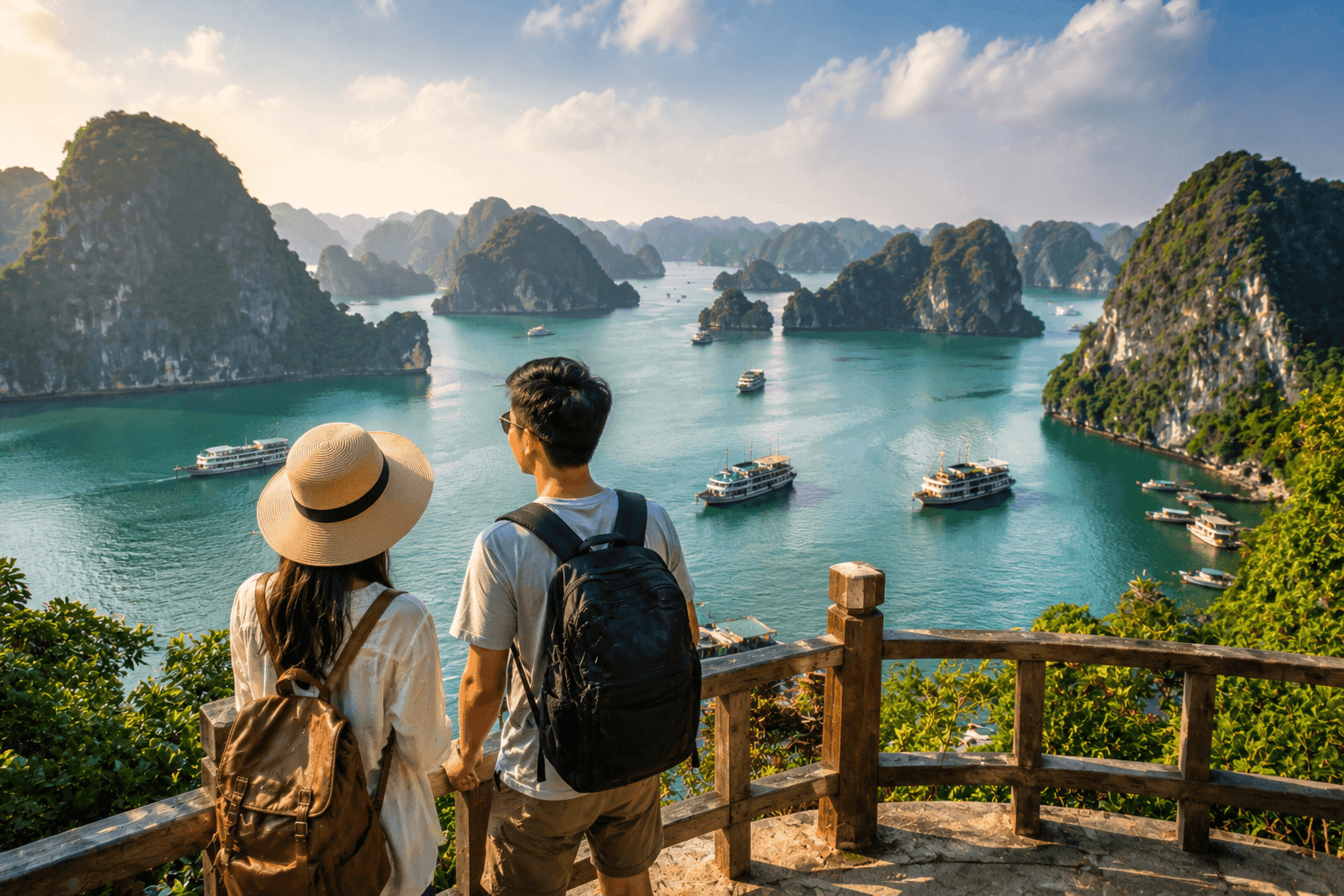
Vietnam is one of Southeast Asia's most captivating destinations, where centuries-old traditions meet bustling modern cities, emerald-green rice terraces stretch into the horizon, and limestone islands rise dramatically from crystal-clear waters. Whether you're wandering through Hanoi's lantern-lit Old Quarter, relaxing on Da Nang's golden beaches, cruising through the breathtaking landscapes of Ha Long Bay, or discovering hidden villages tucked away in the mountains, Vietnam offers an unforgettable travel experience for every kind of traveler.
One of the biggest reasons travelers fall in love with Vietnam is its incredible diversity. In a single trip, you can sip traditional egg coffee in a centuries-old café, hike through lush national parks, indulge in world-famous street food, unwind on pristine beaches, and explore UNESCO World Heritage Sites. The country is also remarkably affordable, making it a favorite destination for backpackers, families, honeymooners, and luxury travelers alike.
This Vietnam Travel Guide is designed to help you plan your trip with confidence. From the best time to visit and visa requirements to transportation, budgeting, and in-depth destination guides for Hanoi and Da Nang, you'll find everything you need to create an unforgettable Vietnam itinerary.

Why Visit Vietnam?
Vietnam offers an exceptional combination of culture, nature, history, and affordability. Unlike many destinations where travelers must choose between city experiences or natural landscapes, Vietnam effortlessly combines both.
Here are some of the biggest reasons to visit Vietnam:
Rich History and Culture
Vietnam's fascinating past has shaped its architecture, traditions, cuisine, and people. Ancient temples stand beside French colonial buildings, while traditional markets thrive alongside modern shopping districts. Every city tells a different story, making cultural exploration one of the highlights of any Vietnam trip.
Spectacular Natural Beauty
From the limestone karsts of Ha Long Bay to the marble mountains of Da Nang and the lush rice terraces of northern Vietnam, the country's landscapes are incredibly diverse. Nature lovers can enjoy caves, waterfalls, beaches, mountains, rivers, and tropical islands, all within a relatively compact country.
World-Famous Cuisine
Vietnamese food is celebrated worldwide for its freshness, balance of flavors, and healthy ingredients. Beyond the famous Pho and Banh Mi, travelers can discover regional specialties such as Bun Cha in Hanoi, Cao Lau in Hoi An, Mi Quang in Da Nang, and fresh seafood along the coast.
Affordable Luxury
Vietnam delivers excellent value for money. Boutique hotels, luxury resorts, private tours, and fine dining often cost significantly less than in many other international destinations. Whether you're traveling on a backpacker's budget or planning a luxury vacation, Vietnam offers outstanding experiences without breaking the bank.
Warm Hospitality
Vietnamese people are known for their friendliness and hospitality. Visitors frequently describe interactions with locals as one of the most memorable parts of their journey, whether it's sharing a meal, shopping at a local market, or receiving directions from a friendly passerby.
Best Time to Visit Vietnam
One of the most common questions travelers ask is, "When is the best time to visit Vietnam?" The answer depends on which regions you plan to explore because Vietnam stretches over 1,600 kilometers from north to south, resulting in varying climates throughout the year. Refer to our article Best Time to Visit Vietnam Depends on What You Want to Feel to pln your trip right.
Northern Vietnam (Hanoi, Ha Long Bay, Sapa)
Best Months: October to April
The north experiences four distinct seasons. Autumn (October to November) offers pleasant temperatures and clear skies, making it ideal for sightseeing and photography. Spring (March to April) is equally beautiful, with blooming flowers and comfortable weather.
Winter, from December to February, can be cool, especially in mountainous areas like Sapa, while summer (May to August) tends to be hot, humid, and rainy.
Ideal for:
- Hanoi city tours
- Ha Long Bay cruises
- Sapa trekking
- Ninh Binh excursions
Central Vietnam (Da Nang, Hoi An, Hue)
Best Months: February to August
Central Vietnam enjoys long sunny days during these months, making it perfect for beach vacations and outdoor adventures. The sea remains calm, and attractions are easily accessible.
September through November often brings heavy rainfall and occasional typhoons.
Ideal for:
- Da Nang beaches
- Hoi An Ancient Town
- Marble Mountains
- Golden Bridge
- Hue Imperial City
Southern Vietnam (Ho Chi Minh City, Mekong Delta, Phu Quoc)
Best Months: December to April
Southern Vietnam remains warm throughout the year. The dry season provides sunny weather, while the rainy season (May to November) usually consists of short afternoon showers rather than all-day rain.
Ideal for:
- Phu Quoc Island
- Mekong Delta cruises
- Ho Chi Minh City exploration
Vietnam Visa Requirements
Before planning your Vietnam itinerary, it's essential to understand the latest visa regulations.
Vietnam offers several visa options depending on your nationality and travel duration.
E-Visa
Vietnam's electronic visa (E-Visa) is one of the most convenient options for international travelers.
Typically, the E-Visa allows visitors to:
- Apply online before travel
- Receive approval electronically
- Enter through designated airports, land borders, and seaports
Always check the latest eligibility criteria and requirements on Vietnam's official immigration website before booking your trip, as visa policies can change.
Passport Requirements
Ensure your passport:
- Is valid for at least six months beyond your travel dates
- Has sufficient blank pages for immigration stamps
Currency, Budget, and Money Tips
Vietnam uses the Vietnamese Dong (VND).
While major hotels, upscale restaurants, and shopping malls accept international credit cards, carrying cash is highly recommended, especially for local markets, taxis, cafés, and small family-run businesses.
Average Daily Budget
Budget Traveler
Approximate daily expenses:
- Hostel accommodation
- Street food
- Public transportation
- Shared tours
Estimated range: USD 25–40 per day
Budget travelers can refer to our article on Vietnam on a Budget Without Cutting Comfort
Mid-Range Traveler
Includes:
- Comfortable hotels
- Restaurant meals
- Domestic flights
- Guided sightseeing
Estimated range: USD 60–120 per day
Luxury Traveler
Includes:
- Five-star resorts
- Private transfers
- Luxury cruises
- Spa experiences
- Fine dining
Estimated range: USD 200+ per day
Payment Tips
- Carry small cash denominations.
- Inform your bank before international travel.
- Use ATMs from reputable banks.
- Keep some cash for rural destinations and night markets.
SIM Cards and Internet
Vietnam has one of Southeast Asia's best mobile networks.
Popular providers include:
- Viettel
- Vinaphone
- Mobifone
Tourist SIM cards are inexpensive and widely available at airports and convenience stores. Most offer generous data packages suitable for navigation, social media, and video calls.
Free Wi-Fi is commonly available in hotels, cafés, restaurants, and even many public spaces.
Hanoi Travel Guide

As Vietnam's capital for over a thousand years, Hanoi is a city where ancient traditions and modern life blend seamlessly. Narrow streets bustle with scooters, hidden temples stand beside colonial-era buildings, and street vendors serve iconic dishes from tiny roadside stalls.
For many travelers, Hanoi is the perfect introduction to Vietnam.
Top Attractions in Hanoi
Hoan Kiem Lake
The heart of Hanoi, Hoan Kiem Lake is a peaceful retreat surrounded by walking paths, gardens, and historic landmarks. Early mornings are especially lively as locals gather for tai chi and exercise.
At its center sits the picturesque Turtle Tower, while the iconic red Huc Bridge leads to Ngoc Son Temple, one of the city's most visited cultural sites.
Hanoi Old Quarter
The Old Quarter is the city's historic core, known for its maze of narrow streets, traditional shophouses, and vibrant atmosphere. Each street was historically dedicated to a specific trade, many of which continue today.
Visitors can spend hours exploring artisan shops, cafés, local markets, and hidden courtyards while experiencing Hanoi's authentic charm.
Ho Chi Minh Mausoleum
One of Vietnam's most significant landmarks, the Ho Chi Minh Mausoleum houses the preserved body of Vietnam's revolutionary leader.
The surrounding complex also includes:
- Presidential Palace
- Ho Chi Minh's Stilt House
- One Pillar Pagoda
Modest clothing is required, and photography inside the mausoleum is prohibited.
Temple of Literature
Built in 1070, this beautifully preserved complex was Vietnam's first national university. The peaceful courtyards, stone steles, and traditional architecture provide insight into the country's educational heritage.
Train Street
One of Hanoi's most unique attractions, Train Street is famous for its railway passing just inches from cafés and homes. Access regulations may change for safety reasons, so it's best to visit with a local guide or check current visitor policies before planning your visit.
Best Food to Try in Hanoi
No Hanoi travel guide is complete without mentioning its legendary cuisine.
Must-try dishes include:
- Pho Bo (Beef Noodle Soup)
- Bun Cha
- Banh Cuon
- Egg Coffee
- Cha Ca
- Sticky Rice
- Fresh Spring Rolls
Street food tours are among the best ways to experience Hanoi's culinary scene while learning about local traditions.
Getting Around Hanoi
Transportation options include:
- Grab (ride-hailing app)
- Taxis
- Electric carts around Hoan Kiem Lake
- Walking in the Old Quarter
- Public buses
Walking remains the best way to experience the city's vibrant atmosphere.
Da Nang Travel Guide

Located along Vietnam's central coast, Da Nang has evolved into one of the country's most dynamic destinations. With pristine beaches, scenic mountains, luxury resorts, and easy access to nearby attractions like Hoi An and Hue, Da Nang appeals to families, couples, solo travelers, and adventure enthusiasts alike.
My Khe Beach
Frequently ranked among Asia's finest beaches, My Khe Beach features soft white sand, gentle waves, and a long promenade lined with cafés and seafood restaurants. It's ideal for swimming, sunrise walks, and water sports.
Marble Mountains
Just south of the city, the Marble Mountains are a cluster of limestone and marble hills filled with caves, pagodas, and panoramic viewpoints. Visitors can climb stone steps or use the elevator to reach the main attractions, making it suitable for most fitness levels.
Golden Bridge (Ba Na Hills)
One of Vietnam's most photographed landmarks, the Golden Bridge appears to be held aloft by two giant stone hands emerging from the mountains. Located within the Ba Na Hills resort complex, the bridge offers breathtaking views and access to cable cars, gardens, entertainment zones, and family-friendly attractions.
Arrive early in the morning to avoid crowds and enjoy the clearest views.
Dragon Bridge
Spanning the Han River, the Dragon Bridge is a symbol of Da Nang. On weekend evenings, it comes alive with a spectacular fire and water show, attracting both locals and tourists.
Son Tra Peninsula
Known as the "Green Lung" of Da Nang, Son Tra Peninsula offers winding coastal roads, lush forests, secluded beaches, and the towering Lady Buddha statue overlooking the sea. Keep an eye out for the endangered red-shanked douc langur, one of the world's most striking primates.
Best Food to Try in Da Nang
Regional specialties include:
- Mi Quang
- Bun Mam
- Fresh Seafood
- Banh Xeo
- Grilled Squid
- Coconut Coffee
The city's seafood restaurants, particularly along the coastline, are renowned for serving freshly caught fish, prawns, crab, and lobster.
Day Trips from Da Nang
Da Nang is an excellent base for exploring central Vietnam. Popular day trips include:
- Hoi An Ancient Town: A UNESCO World Heritage Site famous for its lantern-lit streets, tailor shops, riverside cafés, and cultural heritage.
- Hue Imperial City: Discover Vietnam's royal history through ancient citadels, pagodas, and imperial tombs.
- Hai Van Pass: Drive one of the world's most scenic coastal roads, offering sweeping views of mountains and the East Sea.
Where to Stay in Da Nang
- Luxury: Beachfront five-star resorts with private pools and spa facilities.
- Mid-Range: Comfortable hotels near My Khe Beach and the city center.
- Budget: Hostels and boutique guesthouses close to major attractions.
Choose accommodation based on your interests, whether it's beach relaxation, nightlife, or easy access to cultural sites.
Ha Long Bay Travel Guide

No Vietnam Travel Guide is complete without mentioning Ha Long Bay, a UNESCO World Heritage Site and one of Southeast Asia's most breathtaking natural attractions. Located around 170 km east of Hanoi in Quang Ninh Province, Ha Long Bay is famous for its emerald waters, towering limestone karsts, hidden caves, floating fishing villages, and luxury overnight cruises.
With more than 1,600 limestone islands and islets scattered across the Gulf of Tonkin, the bay offers scenery unlike anywhere else in the world.
Whether you're planning a romantic honeymoon, a family vacation, or a solo adventure, Ha Long Bay is an experience you simply shouldn't miss.
Why Visit Ha Long Bay?
Ha Long Bay is much more than a scenic cruise destination. It's a place where dramatic landscapes, peaceful waters, and unique cultural experiences come together.
Visitors can:
- Cruise between limestone islands
- Kayak through hidden lagoons
- Explore spectacular caves
- Visit floating fishing villages
- Relax on secluded beaches
- Watch unforgettable sunsets over the bay
- Enjoy luxury overnight cruises
- Experience fresh Vietnamese seafood
Best Time to Visit Ha Long Bay
The ideal months are:
October to April
These months offer pleasant temperatures, clearer skies, and comfortable conditions for cruising and outdoor activities.
Seasonal Guide
Spring (March to April)
- Comfortable weather
- Calm waters
- Excellent photography conditions
Summer (May to August)
- Warm temperatures
- Beautiful sunshine
- Higher humidity
- Occasional tropical storms
Autumn (September to November)
One of the most popular seasons thanks to:
- Blue skies
- Mild temperatures
- Lower rainfall
- Comfortable sightseeing
Winter (December to February)
Cool weather creates a magical atmosphere over the limestone formations, although mornings can be misty.
Best Cruises in Ha Long Bay
Choosing the right cruise is one of the most important decisions when planning your Vietnam itinerary.
Day Cruise
Ideal for travelers short on time.
Best for:
- Hanoi day trips
- Budget travelers
- First-time visitors
Overnight Cruise (2 Days / 1 Night)
The most popular option.
Includes:
- Luxury accommodation
- Sunset viewing
- Sunrise on the bay
- Kayaking
- Cave visits
- Cooking classes
- Fresh seafood meals
Extended Cruise (3 Days / 2 Nights)
Perfect for travelers wanting a slower experience.
Advantages include:
- Fewer crowds
- More kayaking
- Hidden beaches
- Additional islands
- Relaxed schedule
Must-Visit Attractions in Ha Long Bay
Sung Sot Cave (Surprise Cave)
One of Vietnam's largest and most impressive caves, Sung Sot Cave features enormous chambers filled with dramatic stalactites and stalagmites.
The viewpoint outside the cave also offers spectacular panoramic views of Ha Long Bay.
Ti Top Island
Known for its white sandy beach and panoramic viewpoint.
Visitors can:
- Swim
- Sunbathe
- Climb to the summit
- Capture incredible photographs
Luon Cave
Accessible only by kayak or bamboo boat, Luon Cave leads into a peaceful lagoon surrounded by towering limestone cliffs.
This is one of the most tranquil experiences in Ha Long Bay.
Floating Fishing Villages
Traditional floating communities such as Cua Van provide insight into a unique way of life that has existed for generations.
Visitors can observe:
- Floating homes
- Pearl farming
- Local fishing techniques
- Traditional boats
Things to Do in Ha Long Bay
Besides cruising, there are plenty of unforgettable experiences.
Kayaking
Paddle through hidden caves and quiet lagoons inaccessible to larger boats.
Sunset Deck Experience
Watching the sun disappear behind limestone islands is one of Vietnam's most iconic travel moments.
Squid Fishing
Many overnight cruises organize evening squid fishing sessions.
Even beginners can participate.
Tai Chi at Sunrise
Several luxury cruises offer morning Tai Chi sessions on the deck as the bay slowly awakens.
Vietnamese Cooking Classes
Learn to prepare traditional dishes such as:
- Spring rolls
- Fresh seafood
- Vietnamese dipping sauces
Travel Tips for Ha Long Bay
- Book cruises with reputable operators.
- Carry sunscreen and sunglasses.
- Wear comfortable footwear.
- Pack a light rain jacket during monsoon season.
- Bring a waterproof bag for electronics.
- Book at least one month in advance during peak travel months.
Hidden Gems of Vietnam
While Hanoi, Da Nang, and Ha Long Bay attract millions of visitors every year, Vietnam is filled with lesser-known destinations offering equally unforgettable experiences.
If you're looking to escape the crowds, these hidden gems deserve a place on your Vietnam travel itinerary.
Ninh Binh – The Inland Ha Long Bay
Often called "Ha Long Bay on land," Ninh Binh features dramatic limestone mountains rising above rice fields and winding rivers.
Top attractions include:
- Trang An Boat Tour
- Tam Coc
- Mua Cave Viewpoint
- Bich Dong Pagoda
- Hoa Lu Ancient Capital
A peaceful boat ride through Trang An is one of Vietnam's most scenic experiences.
Phong Nha-Ke Bang National Park
Home to some of the world's largest caves, this UNESCO-listed national park is a paradise for adventure lovers.
Highlights include:
- Paradise Cave
- Phong Nha Cave
- Dark Cave
- Son Doong Cave (world's largest cave)
- Jungle trekking
Even if Son Doong requires advance booking and a significant budget, Paradise Cave alone is worth the journey.
Sapa
Located in northern Vietnam, Sapa is famous for its terraced rice fields, mountain scenery, and ethnic minority villages.
Visitors can enjoy:
- Trekking
- Cable car rides to Fansipan Mountain
- Local markets
- Homestay experiences
- Photography
September is particularly beautiful when the rice terraces turn golden before harvest.
Pu Luong Nature Reserve
Far quieter than Sapa, Pu Luong offers lush valleys, rice terraces, bamboo water wheels, and authentic village life.
Ideal for:
- Hiking
- Cycling
- Eco-tourism
- Homestays
- Nature photography
Quy Nhon
This underrated coastal city boasts pristine beaches, fresh seafood, and fewer crowds than Da Nang or Nha Trang.
Perfect for travelers seeking a peaceful beach holiday.
Con Dao Islands
Once known for their historical prison complex, the Con Dao Islands are now celebrated for:
- Crystal-clear beaches
- Marine life
- Turtle nesting season
- Diving
- Luxury eco-resorts
Bai Tu Long Bay
Located adjacent to Ha Long Bay, Bai Tu Long Bay offers similar dramatic limestone scenery but with significantly fewer tourists.
Many premium cruises now include Bai Tu Long Bay instead of the main tourist routes, providing a quieter and more exclusive experience.
Hoi An Beyond the Lanterns
Although Hoi An is well known, many visitors only explore the Ancient Town.
Spend extra time discovering:
- An Bang Beach
- Coconut Forest basket boats
- Local cooking classes
- Countryside cycling tours
- Sunrise fishing villages
These experiences reveal a different side of Hoi An beyond its famous lantern-lit streets.
Transportation Guide in Vietnam
Getting around Vietnam is surprisingly easy thanks to its well-developed network of flights, trains, buses, and private transfers.
Domestic Flights
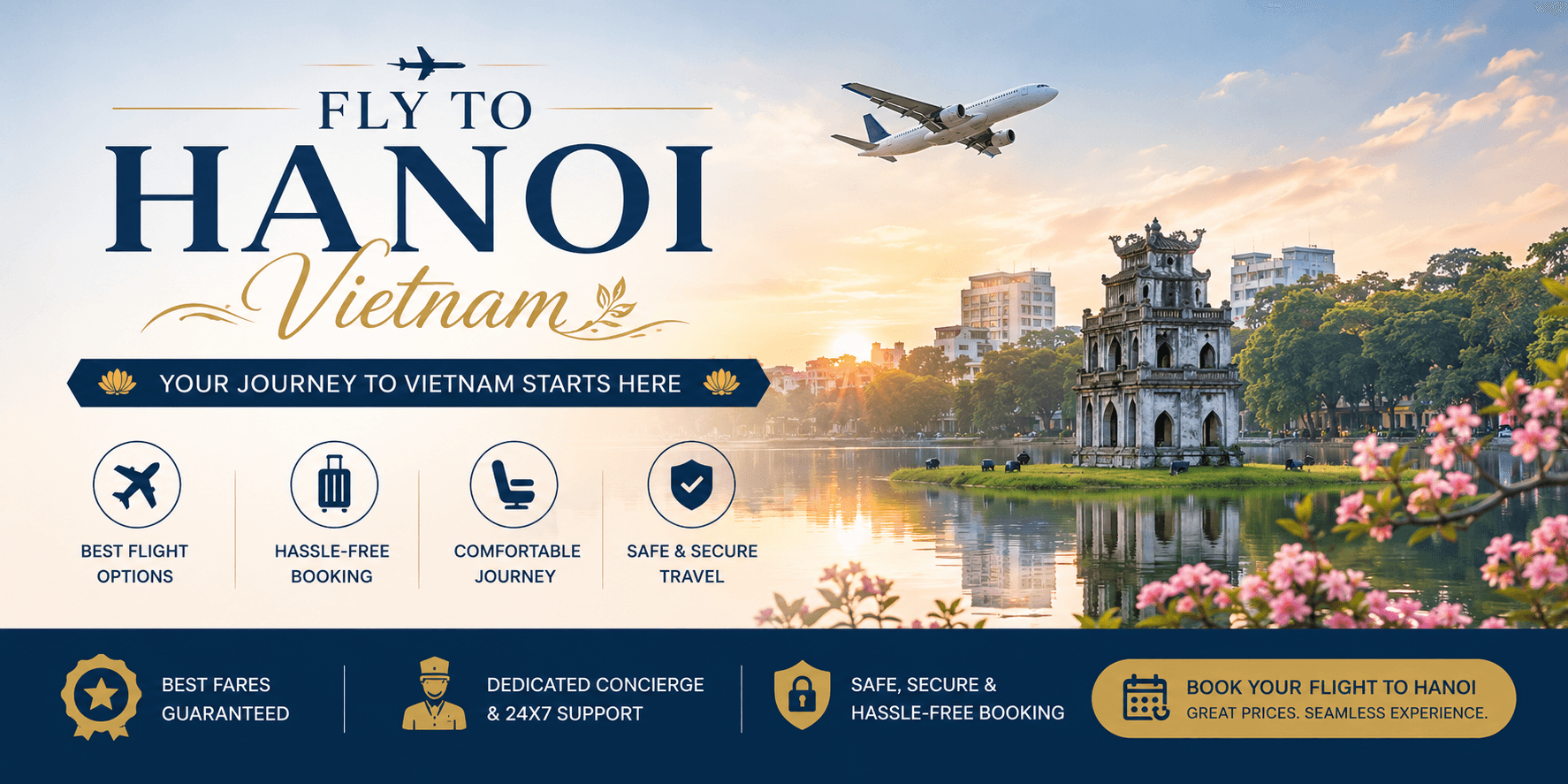
Vietnam's long geography makes domestic flights one of the fastest ways to travel between regions.
Major airlines include:
- Vietnam Airlines
- VietJet Air
- Bamboo Airways
- Vietravel Airlines
Popular routes include:
- Hanoi to Da Nang
- Hanoi to Ho Chi Minh City
- Da Nang to Ho Chi Minh City
- Hanoi to Phu Quoc
Flights are frequent and often affordable when booked in advance.
Trains
Vietnam's Reunification Express railway connects major cities from Hanoi to Ho Chi Minh City.
Popular routes include:
- Hanoi to Da Nang
- Da Nang to Hue
- Ninh Binh to Hanoi
Train travel is ideal for those who want to enjoy Vietnam's scenic countryside at a relaxed pace.
Sleeper Buses
Budget-conscious travelers often choose sleeper buses for overnight journeys.
Advantages include:
- Affordable fares
- Extensive route network
- Overnight travel saves accommodation costs
However, they may be less comfortable for taller travelers or those prone to motion sickness.
Private Cars
Families and small groups may find private transfers more convenient, especially for routes such as:
- Hanoi to Ninh Binh
- Da Nang to Hoi An
- Hue to Da Nang via Hai Van Pass
Private cars also allow flexibility to stop at scenic viewpoints along the way.
Ride-Hailing Apps
Grab is the most popular ride-hailing app in Vietnam and is available in major cities like Hanoi, Da Nang, and Ho Chi Minh City.
It's often the easiest way to book taxis, motorbike rides, and food delivery.
Suggested Vietnam Itineraries
Whether you're visiting for a few days or planning a longer holiday, choosing the right route can make your trip more enjoyable.
5-Day Vietnam Itinerary
Perfect for: First-time visitors
- Day 1: Arrive in Hanoi
- Day 2: Explore Hanoi
- Day 3: Ha Long Bay Overnight Cruise
- Day 4: Return to Hanoi
- Day 5: Departure
7-Day Vietnam Itinerary
Perfect for: Couples and families
- Days 1–2: Hanoi
- Days 3–4: Ha Long Bay Cruise
- Days 5–7: Da Nang with a day trip to Hoi An
This itinerary balances cultural experiences, natural beauty, and beach relaxation.
10-Day Vietnam Itinerary
Perfect for: Travelers seeking a comprehensive experience
- Hanoi
- Ninh Binh
- Ha Long Bay
- Da Nang
- Hoi An
- Hue
This route combines Vietnam's iconic landmarks with historical sites and coastal attractions.

14-Day Vietnam Itinerary
Perfect for: Travelers wanting to experience Vietnam from north to south
Suggested route:
- Hanoi
- Ninh Binh
- Ha Long Bay
- Sapa
- Da Nang
- Hoi An
- Hue
- Ho Chi Minh City
- Mekong Delta
- Phu Quoc (optional)
A two-week itinerary allows for a deeper exploration of Vietnam's diverse landscapes, cuisine, and culture while maintaining a comfortable pace.
Vietnamese Food Guide: What to Eat in Vietnam

One of the biggest highlights of any Vietnam trip is the food. Vietnamese cuisine is known for its fresh ingredients, aromatic herbs, balanced flavors, and regional diversity. Every city has its own signature dishes, making food an essential part of your travel experience.
Pho
Vietnam's most iconic dish, Pho is a fragrant noodle soup made with slow-cooked broth, rice noodles, herbs, and either beef or chicken.
Best place to try: Hanoi
Bun Cha
A Hanoi specialty featuring grilled pork served with rice noodles, fresh herbs, and dipping sauce.
This dish gained worldwide popularity after former U.S. President Barack Obama famously enjoyed it during his visit to Hanoi.
Banh Mi
A delicious Vietnamese baguette filled with grilled meats, pâté, pickled vegetables, herbs, cucumber, and chili sauce.
Perfect for breakfast or a quick lunch.
Goi Cuon (Fresh Spring Rolls)
Fresh rice paper rolls filled with prawns, vegetables, herbs, and vermicelli noodles, served with peanut or hoisin dipping sauce.
A lighter alternative to fried spring rolls.
Mi Quang
A signature dish from Da Nang and Quang Nam Province, Mi Quang consists of turmeric noodles, herbs, peanuts, crackers, and a small amount of flavorful broth.
Cao Lau
Available mainly in Hoi An, Cao Lau combines thick noodles, roasted pork, herbs, crispy croutons, and a rich savory sauce.
Banh Xeo
Known as Vietnamese savory pancakes, Banh Xeo are crispy rice flour crepes filled with shrimp, pork, and bean sprouts.
They are wrapped in lettuce leaves before dipping into fish sauce.
Fresh Seafood
Coastal cities like Da Nang, Nha Trang, and Phu Quoc offer exceptional seafood.
Popular options include:
- Lobster
- Crab
- Grilled squid
- Oysters
- Giant prawns
- Clams
- Fish hotpot
Vietnamese Coffee
Coffee culture is deeply rooted in Vietnam.
Must-try drinks include:
- Egg Coffee
- Coconut Coffee
- Salt Coffee
- Vietnamese Iced Coffee (Ca Phe Sua Da)
Local cafés often provide a more authentic experience than international chains.
Shopping in Vietnam
Vietnam is a fantastic destination for shopping, offering everything from handcrafted souvenirs to luxury fashion.
Best Souvenirs
Bring home authentic Vietnamese products such as:
- Silk scarves
- Hand-embroidered textiles
- Bamboo handicrafts
- Lacquerware
- Ceramic pottery
- Coffee beans
- Traditional conical hats (Non La)
- Vietnamese tea
- Handmade lanterns from Hoi An
Best Shopping Destinations

Hanoi
- Dong Xuan Market
- Hang Gai Street (Silk Street)
- Weekend Night Market
Da Nang
- Han Market
- Con Market
- Vincom Plaza
Hoi An
Hoi An is famous for:
- Custom tailoring
- Leather goods
- Handmade lanterns
- Artisan workshops
Many tailors can create custom suits and dresses within 24 to 48 hours.
Bargaining Tips
Bargaining is common in local markets but should always be respectful.
A few simple tips:
- Compare prices before purchasing.
- Carry small cash denominations.
- Smile and negotiate politely.
- Avoid aggressive bargaining with small local vendors.
Safety Tips for Traveling in Vietnam
Vietnam is widely regarded as one of the safest countries in Southeast Asia for tourists. Violent crime is rare, but travelers should still take common-sense precautions.
Road Safety
Traffic in Vietnam can appear chaotic, particularly in large cities.
Tips:
- Cross roads slowly and steadily.
- Make eye contact with drivers when possible.
- Use pedestrian crossings where available.
- Avoid sudden movements while crossing.
Protect Your Belongings
Keep valuables secure in crowded places such as:
- Markets
- Tourist attractions
- Public transport
- Night markets
Use anti-theft bags and avoid displaying expensive jewelry or electronics unnecessarily.
Food and Water Safety
Vietnamese street food is one of the country's greatest attractions.
For the best experience:
- Choose busy stalls with high turnover.
- Drink bottled or filtered water.
- Wash fruits before eating.
- Carry hand sanitizer.
Respect Local Customs
When visiting temples and pagodas:
- Dress modestly.
- Remove shoes where required.
- Speak quietly.
- Ask permission before photographing monks or worshippers.
Respecting local customs enhances your travel experience and shows appreciation for Vietnamese culture.
Essential Packing Checklist
Packing smart can make your Vietnam trip much more comfortable.
Documents
- Passport
- Visa (if required)
- Travel insurance
- Flight tickets
- Hotel confirmations
- Emergency contacts
Clothing
- Lightweight clothing
- Comfortable walking shoes
- Sandals
- Swimwear
- Light jacket (for northern Vietnam during winter)
- Rain jacket or poncho
Electronics
- Universal travel adapter
- Power bank
- Phone charger
- Camera
- Memory cards
Health Essentials
- Sunscreen
- Insect repellent
- Personal medications
- Basic first-aid kit
- Reusable water bottle
Estimated Travel Budget
One of the reasons Vietnam is so popular is its excellent value for money.
Budget Traveler
Approximate daily budget:
- Accommodation: USD 10–25
- Food: USD 10–15
- Transport: USD 5–10
- Attractions: USD 10–20
Estimated Total: USD 35–70 per day
Mid-Range Traveler
Approximate daily budget:
- Hotels
- Restaurant dining
- Domestic flights
- Guided tours
- Comfortable transport
Estimated Total: USD 80–150 per day
Luxury Traveler
Includes:
- Five-star hotels
- Luxury cruises
- Private tours
- Spa treatments
- Fine dining
- Chauffeur services
Estimated Total: USD 250+ per day
Common Mistakes to Avoid
Avoid these common errors to make your trip smoother:
- Trying to cover the entire country in less than a week.
- Skipping travel insurance.
- Underestimating travel times between destinations.
- Exchanging money at unofficial locations.
- Wearing inappropriate clothing to religious sites.
- Forgetting to carry cash in smaller towns.
- Booking Ha Long Bay cruises at the last minute during peak season.
- Ignoring weather differences between northern and southern Vietnam.
Responsible Travel Tips
Help preserve Vietnam's natural beauty and cultural heritage by traveling responsibly.
- Carry a reusable water bottle.
- Avoid single-use plastics whenever possible.
- Support locally owned businesses.
- Respect wildlife and avoid unethical animal tourism.
- Do not leave litter at beaches, mountains, or national parks.
- Follow local regulations in protected areas.
- Purchase souvenirs from local artisans.
Responsible travel benefits both local communities and future visitors.
Final Thoughts
Vietnam is a destination that rewards every type of traveler. From the timeless charm of Hanoi and the pristine beaches of Da Nang to the breathtaking limestone landscapes of Ha Long Bay and the country's countless hidden gems, every region offers a unique story waiting to be discovered.
Whether you're planning your first international holiday, a romantic honeymoon, a family vacation, or a backpacking adventure, Vietnam combines rich history, spectacular natural beauty, world-class cuisine, and remarkable affordability in a way few destinations can match.
Use this Vietnam Travel Guide to plan your itinerary, choose the best season to visit, explore beyond the famous landmarks, and immerse yourself in the warmth and hospitality of the Vietnamese people. With thoughtful planning and an open mind, your journey through Vietnam is sure to become one of your most memorable travel experiences.