
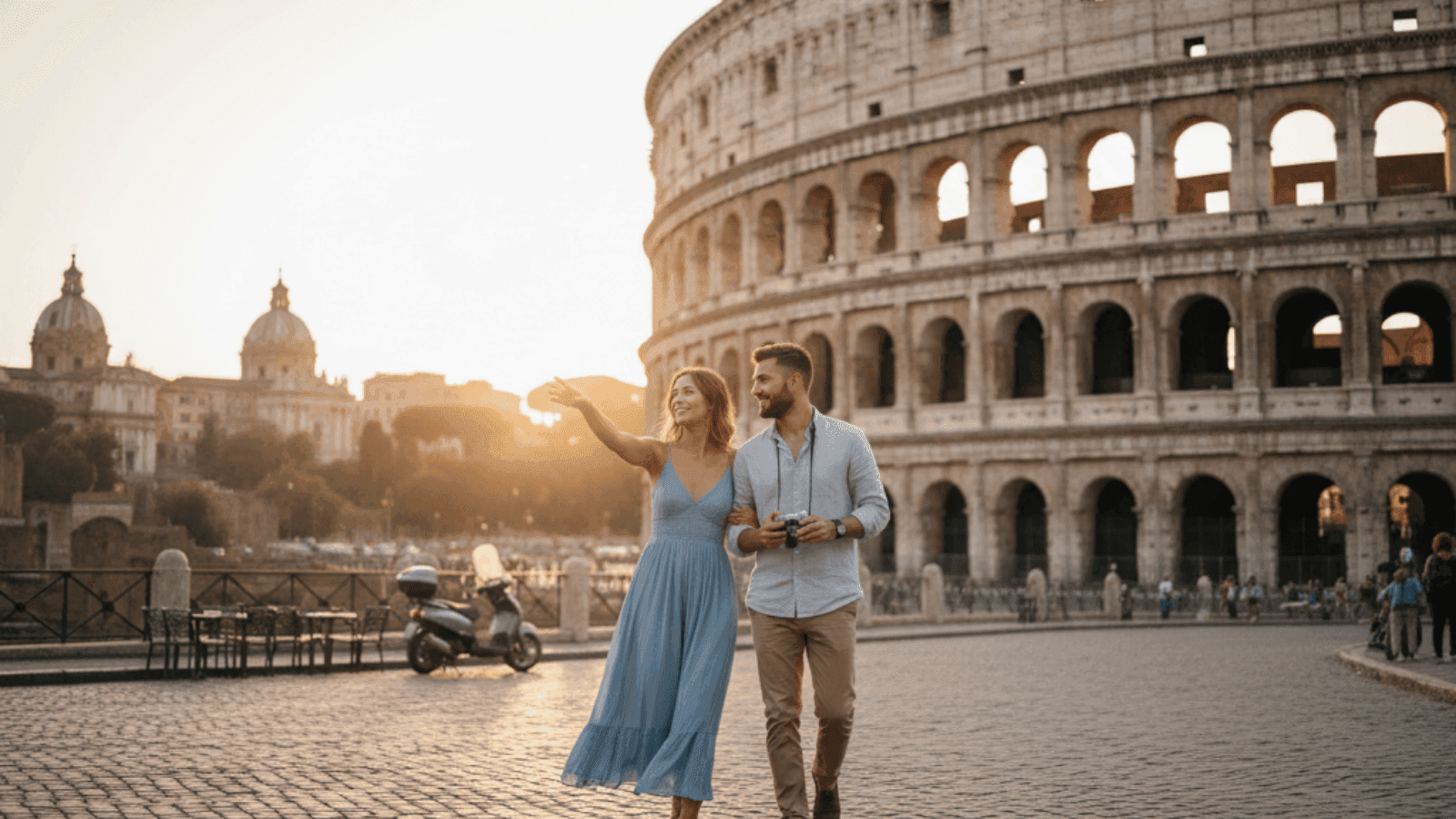
Why Travellers Are Staying Longer Without Planning To
Return dates started feeling optional the moment travellers realised they didn’t owe a place their time. Some stays stretched naturally because everything clicked, while others ended early without guilt. Planning stopped at arrival, and decisions were made only after living the place for a day or two.
Why Travellers Started Booking Shorter Stays First
Most travellers no longer trusted pre-trip planning to get everything right. Instead of locking in a week, they booked one or two nights to see how the place actually felt. Noise levels, walkability, food access, and sleep quality mattered more than photos or reviews once they arrived. If those basics worked, extending felt obvious. If they didn’t, leaving early felt practical, not wasteful. What people were testing on arrival:
- Could they sleep properly without street or property noise
- Could they walk to food, transport, or daily needs
- Did the accommodation match real-life expectations
- Did the area feel comfortable after dark
How Flexible Booking Changed Travel Behaviour
Free cancellations and easy extensions didn’t just reduce risk. They changed how travellers thought about time. Trips were no longer something to “get right” in advance. People planned loosely and corrected as they went. That reduced stress before travel and disappointment during it.
When extending a stay took minutes instead of negotiation, people stopped staying somewhere out of obligation. Prepaid nights stopped dictating behaviour. Travel fatigue dropped because travellers weren’t forcing themselves to endure places that didn’t work.

What Makes People Stay Longer in One Place
Places that earned time weren’t packed with attractions. They were easy to live in. Travellers stayed longer when daily routines settled quickly. Familiar cafés, predictable transport, and friendly local interactions created comfort faster than landmarks did. What mattered wasn’t excitement, but ease. Big sights filled hours. Good rhythms filled days.
Why Smaller Towns Benefited More Than Big Cities
Second cities, hill regions, and coastal towns quietly saw longer stays because they demanded less effort. Less noise. Shorter distances. Fewer decisions. Slower mornings. Travellers weren’t saving money alone. They were saving energy. When days didn’t feel compressed, people stopped counting how many they had left. Time stretched naturally.
Leaving Early Became a Smart Choice, Not a Failure
The same flexibility that enabled longer stays also normalised early exits. Poor connectivity, unreliable transport, uncomfortable rooms, or constant friction led to quick decisions. Travellers trusted those signals instead of pushing through discomfort. Staying longer than necessary started to feel inefficient. People learned to cut losses early and invest time where it felt right.
Energy Replaced Itineraries as a Planning Tool
Travellers began measuring places by how they felt at the end of the day. If a destination required constant movement, planning, or adjustment, stays shortened. If it allowed rest without boredom, days added themselves. This quiet energy check replaced rigid schedules. People stopped asking how much they could see and started noticing how much they could sustain.
How Work Trips Quietly Turned Into Longer Stays
- Business travel created some of the most unplanned extensions.
- Flights were already paid for. Work commitments were fixed. Adding a few personal days before or after felt reasonable, especially when accommodation extensions were affordable.
- These weren’t framed as holidays. They were decompression time.
- Remote work made this even easier. Stable internet and calm mornings meant people didn’t have to choose between staying and being productive.
- The question shifted from “Is this allowed?” to “Why rush back?”
What Travellers Looked for in Accommodation During Longer Stays
Longer stays exposed how many rooms were designed only for sleeping. Travellers noticed quickly when spaces didn’t support being awake. Natural light, quiet interiors, usable desks, and balconies mattered more than decorative extras. Properties that worked during the day earned repeat nights.
Why Hosts Started Influencing Stay Length
Hosts became filters, not salespeople. When recommendations were specific and honest, travellers trusted them. A single good food suggestion or route tip often led to extensions. Smaller properties benefited because attention replaced performance. Feeling looked after reduced the urge to move.
Why Staying Longer Became the Sustainable Choice
Sustainability followed behaviour, not intention. Staying put meant fewer transfers, less packing, and lower transit use. Travellers moved less and noticed more without trying to “travel responsibly.” It happened naturally. Depth replaced coverage. People stayed until routines formed, then left without ceremony. Calendars were adjusted quietly. Return dates shifted. The place decided when it was time to go. Stays that make extensions easy usually come down to comfort, location, and flexibility. Neomaxer curates spaces built for exactly that kind of travel, where leaving late feels just as natural as arriving.









