
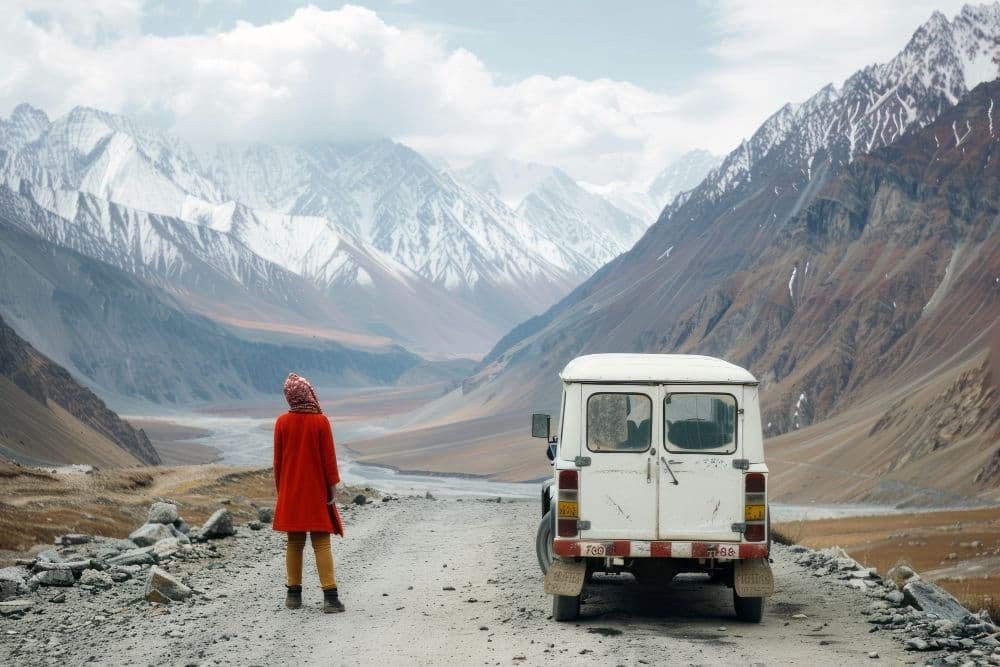
Spiti is not a place where travelers boast about high passes first. They talk about the small signals their body gives while climbing. A slight throb behind the eyes at Kaza. That sudden need to breathe deeper near Kunzum. The way silence grows heavier as the road gains height. Locals in the Spiti Valley State notice these shifts faster than visitors. They have learned to read people the way they read weather patterns that move along ridgelines with no warning.
Watching the altitude before it watches you
On a Spiti trip, the real test is how slowly you climb. The body adjusts in layers. One night in Narkanda feels normal, but climbing too soon to 3500 meters brings the dull pressure that travelers mistake for tiredness. AMS does not shout at first. It whispers. A tightness around the temples. Restless sleep. A stomach that refuses breakfast. People rushing from Shimla to Kaza skip the gentle rise the mountains expect and end up paying with nausea that lasts for hours.
Stopping in Reckong Peo or Kalpa helps the body catch its rhythm. Oxygen thins slightly at these heights, and the lungs learn the new pace. Locals say you should be able to climb a short flight of stairs without panting before heading further. If you cannot, the mountain is telling you to wait.
Reading Spiti roads like warnings
The journey to Spiti in winter sharpens these lessons. Roads freeze without notice. Black ice blends with shadows. Drivers who know the route stop only at safe pullouts. They watch snow drift patterns. They notice which bends collect wind. Visitors who rush because the valley looks empty often end up dizzy or breathless at the next turn. Spiti Valley Winter travel is not about speed. It is about rhythm.
Higher sections near Losar and Hikkim challenge even experienced travelers. The Spiti Valley temperature drops fast after the afternoon. Cold tightens the chest, and anyone not hydrated feels the altitude double their weight. Breathing becomes short. People talk less. Not because they are unwell, but because conserving energy becomes instinct.

Keeping the body quieter than the wind
Hydration becomes the simplest tool. Water thins the blood slightly, helping oxygen move with less effort. Locals sip continuously instead of chugging full bottles at once. Warm soups in Kaza or Nako work better than cold drinks. Spiti homes often offer butter tea, and visitors surprised by its taste soon notice how quickly it warms the chest.
Eating light makes the climb easier. Heavy meals sit stubbornly in the stomach, and digestion slows at high altitude. Travelers who stick to rice, soup, vegetables, and bread feel more stable. Those who insist on spicy food early in the journey often end up nauseous by the time they hit the next checkpoint.
Moving slower than you want to
Walking too fast at altitude is like opening a door against the wind. The body pushes, but the air pushes back harder. Small climbs near Kee Monastery can leave people breathless if they rush. Slower pacing works better, even when the distance looks easy. Short breaks help the body reset without falling into exhaustion.
Sleeping early on the first night inside Spiti helps with recovery. The cold makes breathing shallow, and a long rest gives the lungs more time to adjust. Waking with a clear head is the simplest sign the body has accepted the height.
Hearing what Spiti does not say
Locals read discomfort like signs on the road. Pale lips. Loud breathing. Hands that stay cold even in the sun. They know when to tell travelers to rest. Many visitors ignore these hints because the landscape feels too beautiful to pause. Yet the valley rewards those who listen. A slower climb means steadier vision at the passes. Better sleep at night. More strength during the long drive toward Chandratal or the return through Kinnaur.
Spiti teaches travelers to follow its pace rather than fight it. Listening to the altitude becomes part of the journey, and choosing stays that match your rhythm matters just as much. When the road turns quiet and the mountains begin their silent tests, booking your stay through Neomaxer keeps the planning smooth, so your focus stays on reading the valley and moving the way Spiti expects.









