
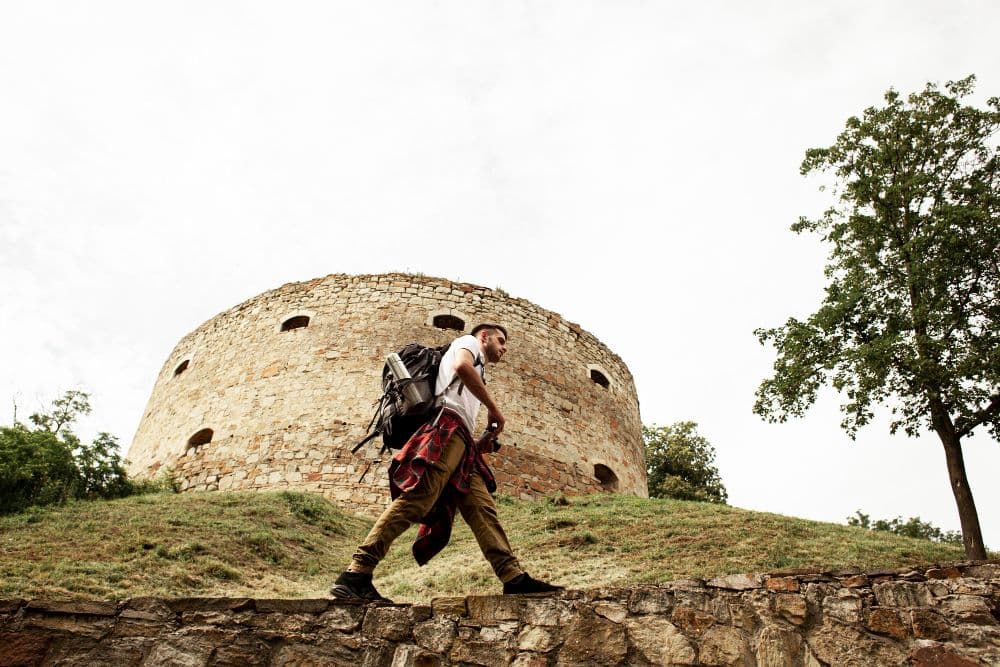
Sand starts biting the windshield 20 kilometres before the last chai stall, and that is when the road stops feeling like a highway and starts feeling like a frame from Border 2, India's borderland stretching out beyond the last concrete milestone.
Reading borders as shared land, not movie sets
On the map, you see clean edges, tidy colours, and the 4 boundaries of India marked as if someone used a ruler. On the ground, India’s borderland is goat paths, half-buried fences, army trucks, schoolchildren in the same dust.
You hear more than you see. Distant gunfire from a training range. Temple bells from a village that appears nowhere in guidebooks. A BSF jawan laughing into a phone outside a sandbagged post.
Watching this, you realise how far the Border 2 movie fantasy sits from the slow, layered life that actually clings to these edges.
West: Thar and Kutch, where maps thin out
Rajasthan’s desert posts
Drive out from Jaisalmer toward Tanot and Longewala, and the traffic thins with every kilometre. Wind-twisted shrubs, abandoned havelis, and signboards that begin to mention distances to Pakistan without naming it.
Here, border names of India become real: fenced lines, old war memorials, and milestones painted with the next checkpost instead of the next city. Locals tell stories quietly, of 1971, of sandstorms, of relatives who work across the country but send money back to this dry edge.
The sky is a single colour at dusk, and you catch yourself humming “ghar kab aaoge border 2” without meaning to, the sentiment less about war and more about every truck and bus heading back toward home.
Kutch salt and silence
In Kutch, near India Bridge and the salt flats, land and sky blur. The last tea stall keeper nods toward guarded roads and says, “Aage BSF hai.”
You are in the same India, but closer to one of the 9 neighbouring countries of India than to your own state capital. Flags snap in the wind. Flocks of flamingos lift off from distant pools. The drama is there, but it belongs to birds and border guards, not to you.

North: Himalayan edges where air thins
Climbing from Leh toward high passes that stare toward Tibet and beyond, the idea of India's borderland turns vertical. Prayer flags whip above bunkers. BRO signs a joke and warns at the same time.
You pass convoys, tiny villages, frozen streams. The line on the map called LAC is invisible, but its presence is felt in restricted roads, checkpoints, and the way soldiers scan every passing car a second longer than in the plains.
No camera can catch the way altitude presses into your chest, the way silence falls when engines shut off at a pass, and everyone hears only wind and their own breathing. That silence is where any Border 2 movie would cut to music; in real life, it is where you put your hands in your pockets and turn back before the weather changes.
East: hills that listen across borders
In Nagaland’s Mon district, in Manipur near Moreh, in the Chin of Mizoram, conversations cross lines that passports do not. Markets stock goods from across unseen borders. Songs and surnames repeat on both sides.
Here, places in India’s borderland feel stitched to Myanmar, Bangladesh, and China by family and trade more than by politics. You hear multiple languages in one tea shop. Hear of relatives who attend festivals “udhar” as easily as they come “idhar.”
When people talk about the 9 neighbouring countries of India in these hills, they are not reciting schoolbook facts. They are mapping where cousins live, where mobile networks switch, and where the road turns from Indian tarmac to something rougher that still carries familiar footsteps.
How to move through these edges without turning them into props
Travel in border regions asks for a different posture. Less pointing, more listening. Less checklist, more corridor. Carry these quiet rules:
- Remember that for locals, uniforms and bunkers are ordinary background, not attractions
- Do not push for photos at posts or with soldiers unless they offer
- Ask homestay hosts about what is sensitive to mention or photograph
- Treat memorials, war museums, and graveyards like living stories, not film sets
When you search for the top 10 border trips or read essays on frontiers, they rarely capture the way daily life and defence share the same narrow roads. That is what you are walking through.
If you want your own journey through border 2, India's borderland to feel closer to the land’s slow, watchful rhythm than to any quick edit of explosions and flags, keep using the stories on this blog as your off-screen script and anchor those long, careful drives with nights in places that understand this quiet by booking your stay via Neomaxer for this holiday so every return to your room feels like stepping back from the edge, not out of the story.









