
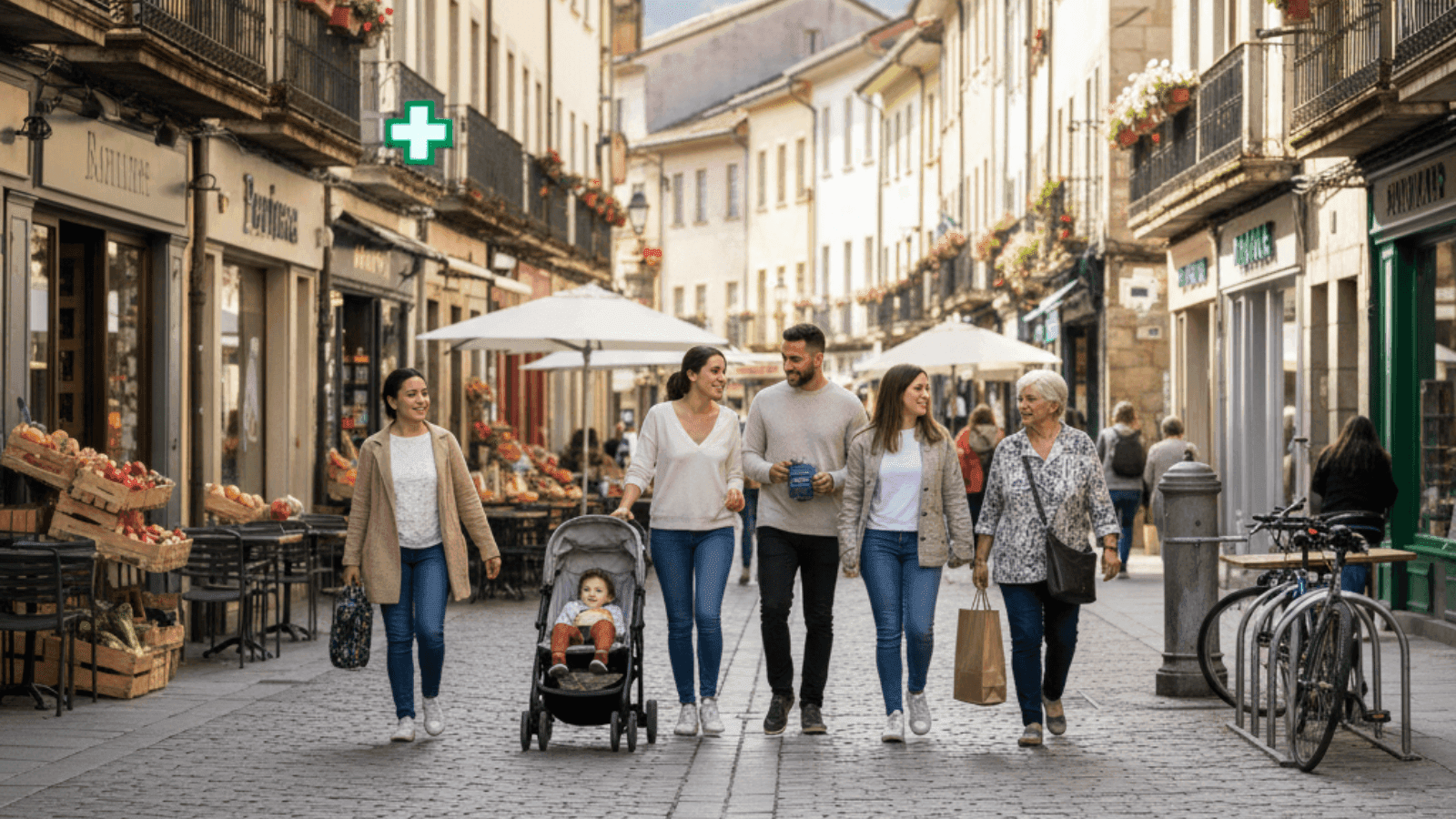
When Travel Started Reflecting How People Wanted to Live
Trips started revealing preferences people didn’t know they had. Some realised they slept better in quieter towns, others noticed how much they enjoyed walking everywhere instead of planning rides. Travel stopped being about ticking places off and started showing people how they actually liked to live.
Factors That Quietly Shaped Where People Went
Pace of the Place
Factors that quietly shaped where people went had less to do with popularity and more to do with pace. Travellers began filtering destinations by how rushed the environment felt once they actually arrived. Cities built around packed itineraries and constant movement slowly lost appeal, while smaller towns, slower neighbourhoods within big cities, and places where nothing opened early started to feel more attractive.
Walkability Over Attractions
Walkability started outweighing attractions when people realised how much energy planning daily movement consumed. Being able to step out and walk without thinking became a deciding factor. Travellers gravitated toward places where cafés, groceries, and pharmacies were reachable on foot, where roads weren’t built only for cars, and where daily errands didn’t depend on transport apps.
Internet That Works, But Doesn’t Dominate
Connectivity was expected, not showcased. Places with stable but unglamorous internet did well. Loud co-working hubs mattered less than quiet rooms where calls could happen without interruption. People didn’t want “remote work destinations.” They wanted places where work could blend into the day without taking over.
Hill towns with decent fibre, coastal towns with reliable mobile data, and suburbs outside major cities became practical choices.
The Kinds of Places People Chose More Often
Plantation Regions and Agricultural Belts
Tea estates, coffee regions, vineyard areas. These places offered built-in slowness. Roads curved. Afternoons went quiet. Weather controlled schedules. Travellers adjusted instead of pushing through. Common draws:
- Long estate roads for walking
- Limited commercial activity
- Cafés attached to working farms
- Early nights without enforced silence

Second Cities, Not Capitals
Travellers skipped capitals in favour of secondary cities that ran smoother. These cities had:
- Hospitals without chaos
- Restaurants without waiting lists
- Traffic that paused, not snarled
- Cultural life without constant events
Examples varied by country, but the pattern stayed consistent. Less symbolic importance. More livability.
Coastal Towns Away From Party Circuits
Beach travel shifted inland by a few kilometres. Instead of nightlife-heavy strips, travellers chose fishing towns, residential coastal stretches, or older port areas where tourism wasn’t the primary economy. What mattered:
- Beaches used by locals, not itineraries
- Seafood places closing when the catch ran out
- Afternoons dictated by tide and heat
Attractions That Actually Influenced Decisions
Big-ticket sights stopped anchoring trips. Small, repeatable experiences did. Travellers cared about:
- A morning bakery that opened consistently
- A walking loop they could repeat daily
- A café where nobody rushed table turnover
- A view that looked different at different hours
Low-Effort Attractions
These weren’t marketed as attractions, but they carried weight:
- Railway stations close to town centres
- Markets that served residents, not souvenirs
- Libraries, promenades, public gardens
- Local buses that ran on time
How Repeat Visits Became Normal
Returning to the same destination stopped being framed as “missing out.” Travellers repeated places because familiarity reduced effort. Knowing where to buy fruit, when rain usually hit, which roads stayed empty. That knowledge felt valuable. Repeat trips weren’t identical. They were calmer.
Accommodation Choices Followed Daily Living Needs
Accommodation choices followed daily living needs. Travellers booked places that could handle ordinary life, not just overnight stays. Natural light through most of the day mattered more than dramatic interiors, and kitchens or usable counters quietly became deal-makers.
Quiet surroundings during working hours, steady water pressure, and the ability to extend a stay without rebooking stress all carried real weight. Design took a back seat to function. Neutral, adaptable spaces worked better than styled rooms that felt fragile or performative. People weren’t impressed by spaces anymore. They wanted to disappear into them.
If you’re looking for stays that fit into your day rather than interrupt it, Neomaxer focuses on properties designed for real living, not rushed check-ins.









