
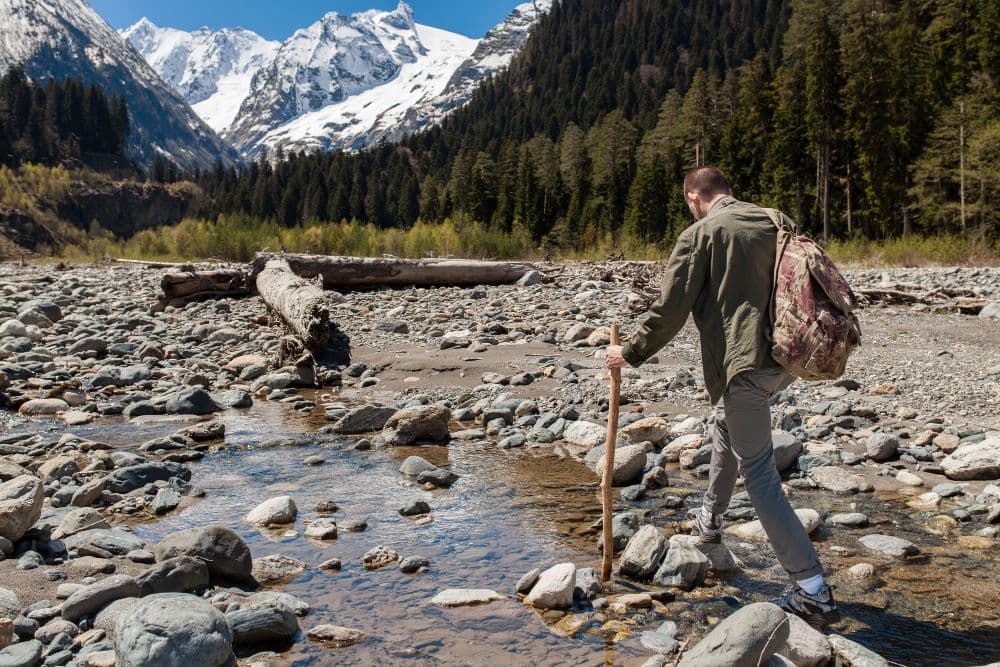
The river sets the pace immediately, and Barot Valley makes that clear before the engine cools. Water moves fast, people move slow, and everything else adjusts around that truth.
Arrival Is Part of the Plan
Barot Valley from Delhi is a long approach that ends abruptly in green. Roads tighten after the last junction. Signals drop. You arrive alert, which is useful here. The valley does not reward exhaustion with spectacle.
Day One Stays Close to the Water
Check in and stop moving. Barot Valley hotels closest to the river matter more than altitude or views. Sit where the sound is strongest. This is orientation, not rest.
The River Is Not Decoration
Locals watch the current before stepping near it. Fishing happens quietly, with long pauses. Walking paths keep a respectful distance. In Barot Valley, the river decides where you stand and how long you stay.
Evening Reads the Temperature
Barot Valley temperature drops sharply after sunset. Jackets appear without discussion. Fires are lit early. Conversations shorten as the cold sets rules. Night arrives cleanly here.
Day Two Begins With Walking
Morning walks follow the river, not the road. Dew stays longer in the shade. Footpaths reveal small crossings and clearings. Barot Valley's nearby places feel reachable on foot, but only if you accept slow ground.
Short Treks Are Enough
Trekking here is measured, not ambitious. Forest trails rise gently, then stop. The reward is not a summit, but silence. Locals know which turns lead nowhere and which ones lead back safely.
Shared Land Has Signals
Broken branches, narrowed paths, sudden quiet. These are signs, not warnings. Like forest workers reading tracks, residents move with awareness. Visitors are expected to follow, not test.

Midday Pulls Everyone Indoors
By noon, activity reduces. Meals are warm and filling. Rice, lentils, and local vegetables. Food matches effort, not appetite. This is not a place for grazing.
Best Time Is About Tolerance
Barot Valley's best time to visit depends on what you can handle. Summer brings movement and access. Winter brings clarity and cold. Monsoon sharpens green but limits walking. The valley remains unchanged.
Afternoon Belongs to Observation
Sit by the water again. Watch locals cross with purpose. Notice how often people look at the sky. Weather here is read, not checked.
Day Three Loosens Structure
The third day arrives without urgency. You wake when light fills the room. Walk the same stretch again. Familiarity replaces curiosity. This is when the valley opens slightly.
Nearby Does Not Mean Reachable
Barot Valley, nearby places exist on maps and in conversations. Reaching them depends on the weather, time, and willingness. Choose one or choose none. Overreaching feels obvious here.
Where You Stay Shapes Everything
Barot Valley hotels are extensions of the land. A riverside stay keeps you aligned with the valley rhythm. Loud comfort breaks it. Quiet comfort supports it.
Leaving Requires Attention
Pack early. Roads change by the hour. The river looks different in morning light. One last pause helps you leave correctly.
Staying With the Valley
Three days' work only if you stop trying to complete them. Walk, sit, repeat. Travelers who plan a Barot Valley holiday this way often choose a base that allows riverside mornings and early nights, which is why booking a stay via Neomaxer fits a Barot Valley holiday shaped around water, walking, and listening rather than covering distance.









