
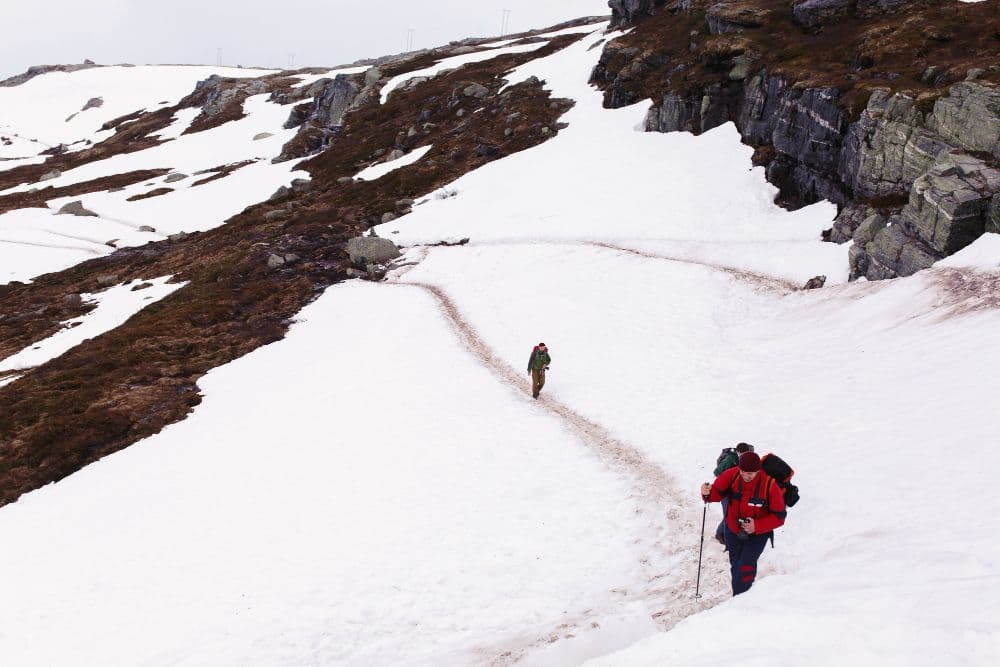
The cold hits your lungs before the view registers, and this is how Ladakh in winter announces itself. Not with postcards or poetry, but with a physical rule that cannot be ignored. Breath slows. Movement becomes deliberate. Romance does not survive the first morning outside.
Winter Is a System, Not a Season
Locals do not describe winter in metaphors. They talk about pipes freezing, diesel thickening, and doors that do not open until the sun arrives. Ladakh in winter temperature regularly drops to minus 20 degrees Celsius, sometimes lower at night. Survival habits replace sightseeing plans, and visitors either adapt or retreat indoors.
The Silence Is Earned
Snow absorbs sound. Streets in Leh Ladakh in winter feel wider, emptier, and watchful. Footsteps echo because there are fewer of them. This quiet is not curated. It exists because fewer people can function in it.
How Movement Really Works
How to reach Ladakh in winter is not a question with many options. Roads close. Passes disappear under the snow. Flights are the primary link, and they even depend on weather windows. Once inside the region, movement shrinks to short distances planned around daylight and fuel availability.
Places Are Chosen by Access, Not Fame
Places to visit in Ladakh in winter are selected by what remains open, not what looks best online. Leh market stays active in a reduced form. Monasteries operate quietly with resident monks. Villages closer to the town become classrooms in adaptation rather than attractions.
Romantic Imagery Breaks First
Frozen lakes do not glitter for hours. They demand timing, guidance, and restraint. Rivers do not invite wandering. They warn. The popular idea of walking into a white expanse collapses when fingers stiffen, and cameras fail within minutes.
Shared Land Has Rules
People here read signs the way forest workers read tracks. Smoke from a chimney means a house is warm. Frozen prayer flags mean wind exposure. A locked gate means do not try again today. This is not adventure travel. This is shared land where visitors follow existing rhythms.
Food Becomes Strategy
Meals are heavy, warm, and repetitive for a reason. Thukpa, butter tea, rice. Calories are fuel, not indulgence. Cafes that remain open do so with limited menus and shorter hours. Comfort comes from consistency.
Power and Water Set the Day
Electricity arrives in blocks. Water is stored, melted, and rationed. Showers are occasional, planned events. Ladakh in winter teaches patience through infrastructure, not philosophy.
The Right Way to Experience It
Stay longer in one place. Learn when the sun reaches your window. Walk short distances repeatedly. Speak to shopkeepers who have time now. The best days are the ones with fewer plans and more observation.
What the Cold Reveals
Winter strips Ladakh of its ability to function. What remains is a working landscape, not a fantasy. You notice which homes face south. Which paths are cleared first? Which stories are told indoors after dark?
Choosing a Base That Understands Winter
Where you stay matters more than where you go. Warmth, reliable power, and hosts who know the signs make the difference between endurance and understanding. Planning Ladakh in winter around a stable base allows the region to open slowly, which is why travelers who want to experience it properly often book a stay via Neomaxer, choosing comfort that respects Ladakh in winter rather than trying to out-romanticize it.









