
The Only Indian Festival That Refuses to Follow the Lunar Calendar
Most Indian festivals quietly change dates every year and nobody questions it. Sankranti does not play along. It shows up when the Sun says so, and the calendar simply has to keep up.
A Festival That Refuses to Drift
Makar Sankranti does not negotiate with the Moon. It arrives around the same January dates every year because it follows the Sun’s actual movement across the sky, not lunar phases or tithis. This makes it an exception in a cultural landscape dominated by moon-based timing, from Diwali to Holi to Navaratri.
The festival marks the Sun’s entry into Makara (Capricorn) and the beginning of its northward journey, known as Uttarayana. This shift is astronomical, not symbolic. The Sun’s position changes measurably, and the day length starts increasing in the Northern Hemisphere.
Why the Solar Calendar Matters Here
Most Hindu festivals rely on the lunar calendar because the Moon is easy to observe without instruments. Its phases are visible, intuitive, and cyclical. The Sun, by contrast, demands long-term observation, precise tracking, and patience.
Sankranti is tied to a solar month, not a lunar one. That is why it does not “float” across weeks the way other festivals do. Even when minor calendar corrections occur due to astronomical recalibration, Sankranti stays anchored to the Sun’s movement, not ritual convenience.
This choice has consequences. Solar time is harder to adjust, harder to mythologize casually, and harder to bend to local custom.
The Farming Logic Behind the Date

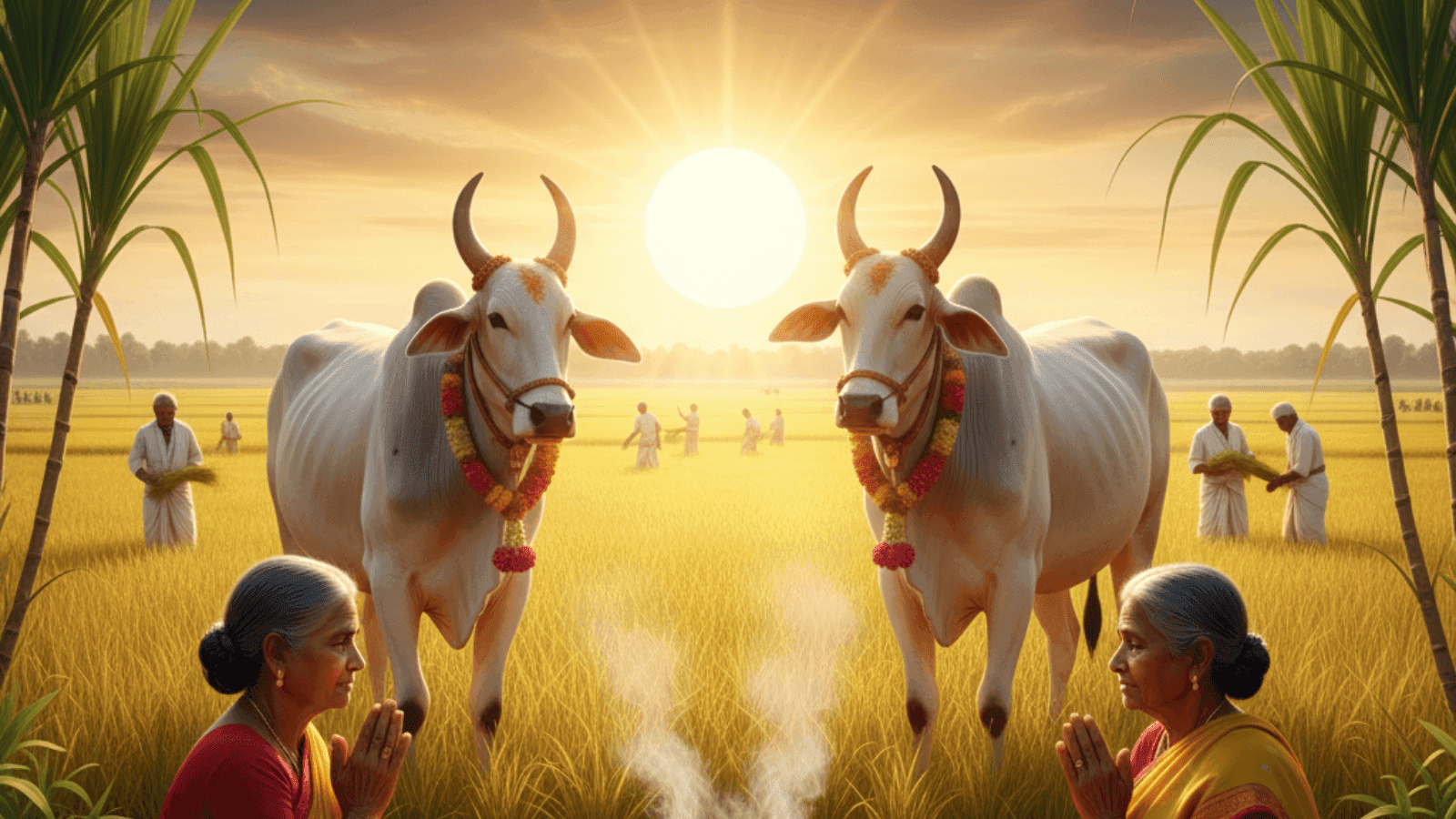
This is why Sankranti is consistently described as a harvest festival across regions, even though the crops themselves differ. Sugarcane in Maharashtra, rice in Tamil Nadu, millets in Karnataka, and pulses in parts of Andhra Pradesh all reach readiness around this solar shift.
Timing, Discipline, and the Absence of Night Rituals
- Sankranti unfolds almost entirely in daylight. Offerings follow sunrise. Pongal and harvest dishes are cooked in the open. Kites rise once thermals begin to lift.
- The Sun is addressed directly, not symbolically. People face it, mark its warmth, and adjust their actions around visible light rather than a calculated night hour.
- There are few midnight rituals and no waiting for an exact Moonrise, which changes the pace of the day. It feels less anticipatory and more declarative.
- The discipline here is observational. People look up, notice the shift in warmth and length of day, and respond without ceremony.
Food That Matches the Season, Not the Calendar
The foods associated with Sankranti are consistent in texture and function, even when ingredients vary. Sesame seeds, jaggery, green gram, rice, and ghee dominate Sankranti kitchens. These are warming foods, calorie-dense, and easy to digest in cold weather. They support energy retention during a period when the body is adjusting to longer days and increased activity.
Tilgul exchanges in Maharashtra are often explained as social sweetness. The nutritional logic is rarely mentioned, though it is difficult to ignore.
Bathing, Rivers, and the Logic Behind Maha Snana Yoga
- Large river gatherings on Sankranti are often described as devotional, but the timing also follows seasonal sense. By mid-January, water levels in many rivers are lower and currents calmer, making access safer for mass bathing.
- Cold-water immersion at this point in winter was traditionally believed to strengthen the body, especially when done during a clearly observed solar transition rather than a shifting lunar hour.
- Astrologically, the day aligns with Maha Snana Yoga, a configuration considered especially purifying, which is why confluences like Prayagraj attract crowds year after year.
- The draw is not urgency. There is no narrowing window tied to a Moon phase. The Sun does not reverse course. The moment stays steady.
Timing and Travel in a Solar Festival
Because Sankranti does not shift unpredictably, travel planning around it behaves differently from other festivals.
Railway traffic patterns, regional holidays, and rural movement stabilize around mid-January every year. This consistency allows seasonal travel to develop habits rather than spikes. Migrant workers, especially in agricultural belts, plan returns around Sankranti because fields, not offices, dictate the break.
Hill regions experience a different response. As daylight increases, early trekking seasons quietly begin in parts of the Western Ghats and Eastern Himalayas, driven more by sun hours than by weather forecasts.
The Quiet Authority of Fixed Time
In a culture comfortable with fluid dates and layered meanings, Sankranti stands apart by being stubborn. It does not ask when it should arrive. It arrives when the Sun does. And everything else adjusts. If you’re planning to travel around Sankranti, staying somewhere that follows the season makes a difference. Neomaxer lists stays that let the place, the daylight, and the season set the pace.









