
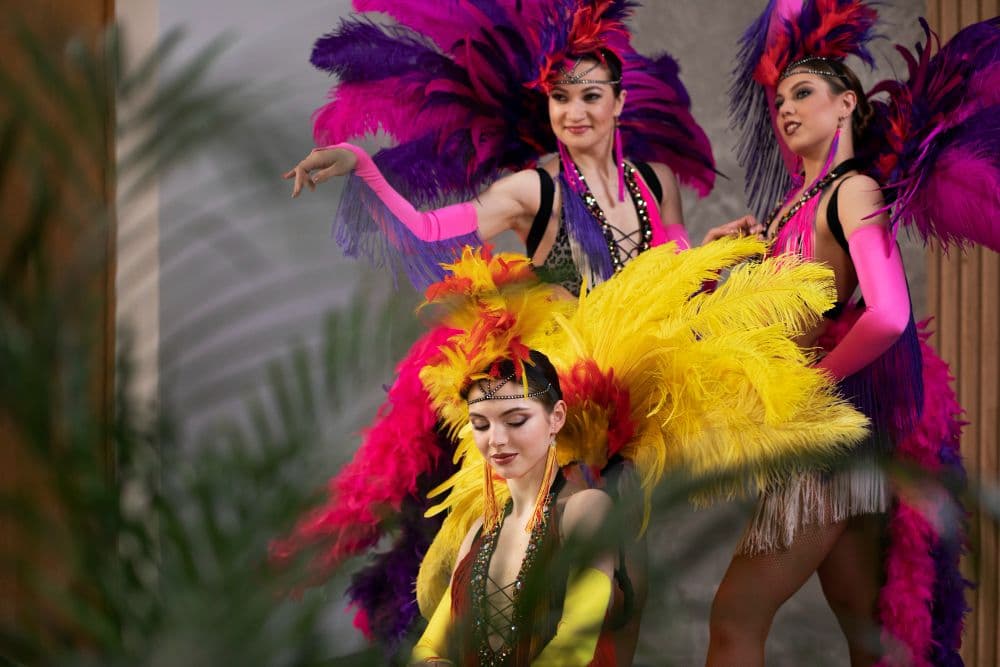
Carnival in Goa tends to turn the main streets of North Goa into slow-moving rivers of colour, brass music, and confetti where locals understand the festival by its signs long before the first float appears.
Why the Carnival takes over North Goa
The carnival did not start as a party for visitors.
It began as a Portuguese pre-Lent celebration, a last big feast before forty days of quiet.
Over time, Goans made it their own kind of street party.
You'd see Catholic processions, Konkani plays, ghumot drums, and Latin beats all mixing in the same streets until Carnival in Goa stopped feeling like a performance and just became this cool little break from everyday life.
You know it is close when:
- Tailors in Mapusa start stitching bright sequinned costumes
- Small stages rise overnight near church squares
- Traffic diversions appear before anyone announces dates loudly
Dates, routes, and carnival in Goa timings
Goa carnival 2026 is gonna stretch over a few days, right before Lent, probably February or early March, with one big parade in each major town.
The exact dates and times shift a bit every year, so folks usually wait for Goa Tourism and the local councils to drop the final schedule.
Typical carnival in Goa timings look like this:
- Street closures begin by early afternoon
- Floats line up around 2 to 3 pm
- The parade rolls properly by 3.30 to 4 pm
- Music and dancing stretch into late evening
Here is a rough carnival in Goa 2026 list of key parade towns you will hear about:
- Panjim: flagship North Goa parade and crowning of King Momo
- Mapusa: strong local participation, many village troupes
- Margao: South Goa’s biggest float line-up
- Vasco and others: smaller, but very rooted in local communities
To know what's happening for the Goa Carnival in 2026 on any given day, locals usually just check the news, WhatsApp groups, and Goa Tourism updates first thing in the morning and plan their day around the road closures and stuff.
Best viewing spots in North Goa
Campal waterfront for carnival in Goa 2026 Panjim
The main Goa Carnival 2026 venue in the north is usually the long riverfront road in Panjim, from the Miramar side towards the old city.
Here, trees lean over the street, balconies hang low, and floats squeeze past at walking pace so you see every mask and drum.
For the Panjim parade:
- Reach at least 60 to 90 minutes before the published start time
- Stand near gentle bends in the road so the floats slow down
- Avoid blocking shop doors and home gates; residents still need to move
Good Panjim viewing pockets include:
- Near the Kala Academy lawns, where families gather on the steps
- Along Campal promenade, close to food stalls and temporary seating
- On side streets leading into the main road, where children dance between floats

Old Latin Quarter edges
If the route touches the edge of Fontainhas or the Latin Quarter, you get a different feeling.
Here, the carnival passes painted houses, and you watch from under balconies where grandparents lean out and judge every float.
Crowds are thinner at the back ends of the route, so this is perfect if you want to take photos slowly and step into a café when it gets noisy.
Mapusa church square and market road
In Mapusa, the church square and the stretch skirting the old market offer tight, close-up viewing.
Drummers warm up under banyan trees, kids in costume chase bubbles, and elders watch from pillared verandas.
To catch the Mapusa parade comfortably:
- Stand a little uphill so you can see overhead
- Keep an eye on power lines and banners that signal where floats pause
- Follow local families, they know which corners give the widest view
Even if your focus is the north, many visitors slip south for carnival in Goa 2026 margao to feel one of the largest float processions, then return to quieter North Goa lanes for the night.
Beach belt after-parade energy
The official parades rarely pass directly through Calangute or Baga, but the party always drifts there.
Bands, costumed groups, and DJs spill into beach shacks after the main events, turning the shoreline into an unofficial second stage.
Here, you do not watch from one fixed spot.
You walk, follow the sound, and step aside when a dancing group rushes past carrying drums and flags.
How to watch without losing the local feel
Locals do not treat the Carnival in Goa as a stage show.
They keep to side lanes, know which junctions to avoid, and listen for the first distant beat of the brass band before leaving home.
To blend in and still see everything:
- Walk instead of driving close to the route
- Carry water and light snacks, but try local choris pav and bebinca from street stalls
- Keep cameras ready, but do not block performers or children
- Respect police ropes and barricades; they mark invisible safety lines locals trust
If you want the full view, aim for a spot where floats, dance troupes, and traditional folk performers all need to slow down, usually at traffic circles, bridges, or sharp bends.
Staying close to the parades
Since roads close early and reopen late, it is quite a change watching goa carnival 2026 from a hotel near Panjim or Mapusa as compared to commuting from far-off beaches.
When you hear the first whistle, you can step out; when the crowd is at the highest point, you can retreat for a rest, and then you can go back to the dusk for the illuminated floats that make Carnival in Goa so surreal.
Try to find accommodation that is a short walk from the probable Goa Carnival 2026 venue roads so you can avoid the trouble of parking and follow local footpaths instead of crowded highways, and as soon as you are ready to make your plans, book your stay through Neomaxer before those central rooms disappear.









