
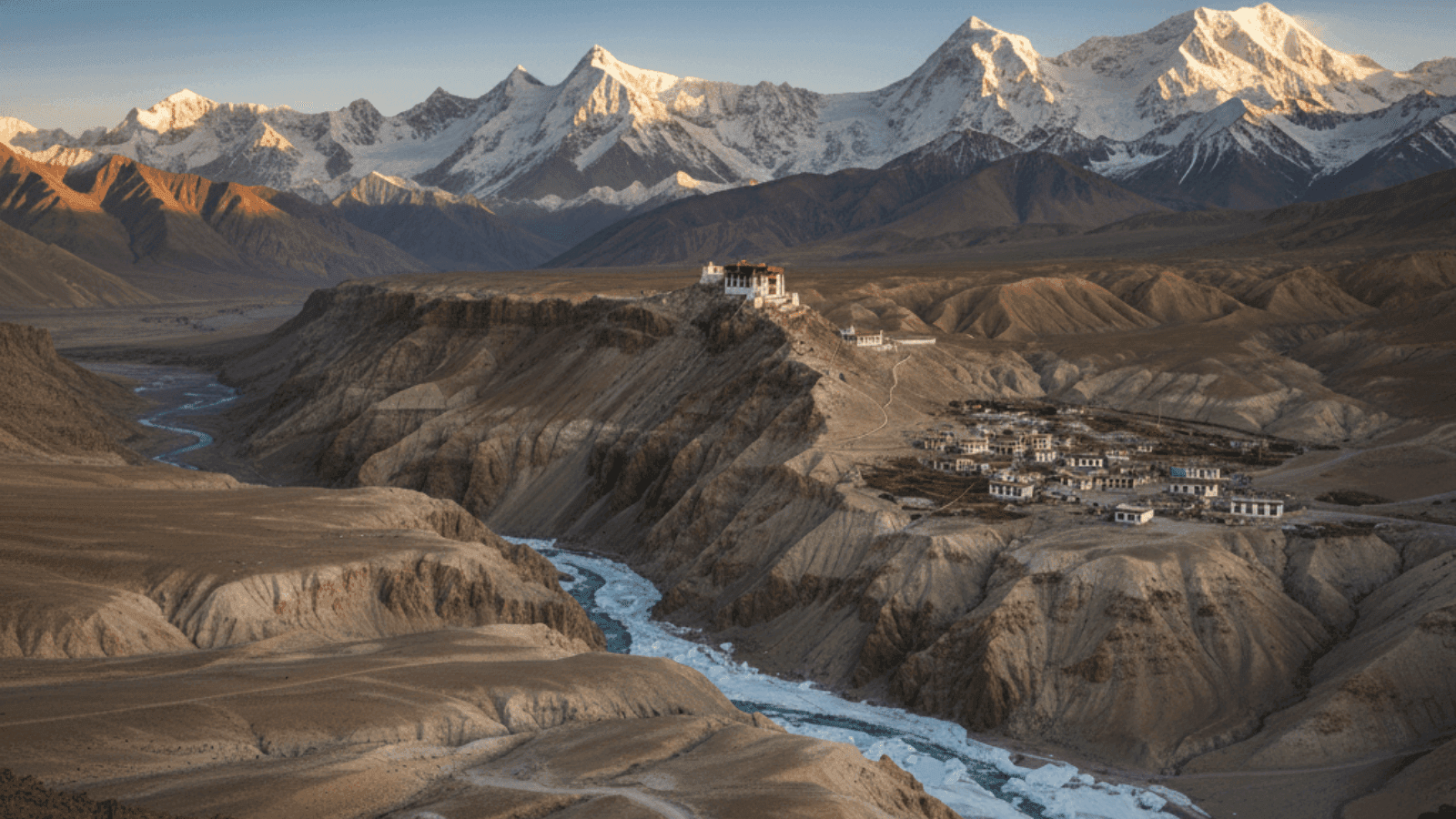
Spiti for Easy Travellers: When to Go, Pack & Pace Altitude
You don’t have to be a mountain goat to like Spiti. It’s the kind of place that rewards those who take it easy, breathe deep, and let the views do the talking. Here’s the low-key way to get there, what actually works to pack, and how not to let altitude steal your thunder.
When to Go If You Don’t Want to Fight the Weather
Late May to early July is the soft opening of Spiti. Roads are usually clear, snow still hangs on distant ridges, and nights are cold without being punishing. This window gives you drama without discomfort.
August and early September work if you are flexible. Occasional landslides can slow things down, but the valley is greener than most expect and river crossings are calmer than in peak monsoon zones elsewhere in Himachal.
October looks tempting in photos but adds stress fast. Nights drop below zero, water pipes freeze, and many homestays shut without warning. Winter travel is beautiful, but it is a different trip altogether and not for easing into Spiti.
How to Reach Spiti Without Turning the Journey Into an Endurance Event
Entering via Shimla and exiting via Manali is easier on the body than the reverse. The altitude gain is gradual, and your lungs get time to catch up before things thin out.
Day one to Shimla or Narkanda works well. Day two to Kalpa or Sangla keeps the drive manageable and adds a natural acclimatisation buffer. From there, moving to Tabo or Dhankar feels less abrupt than jumping straight to Kaza.
The Manali route is stunning but abrupt. Rohtang and Kunzum come with sharp altitude jumps, rough roads, and long stretches without help. If this is your first high-altitude trip, save that route for the return or another year.
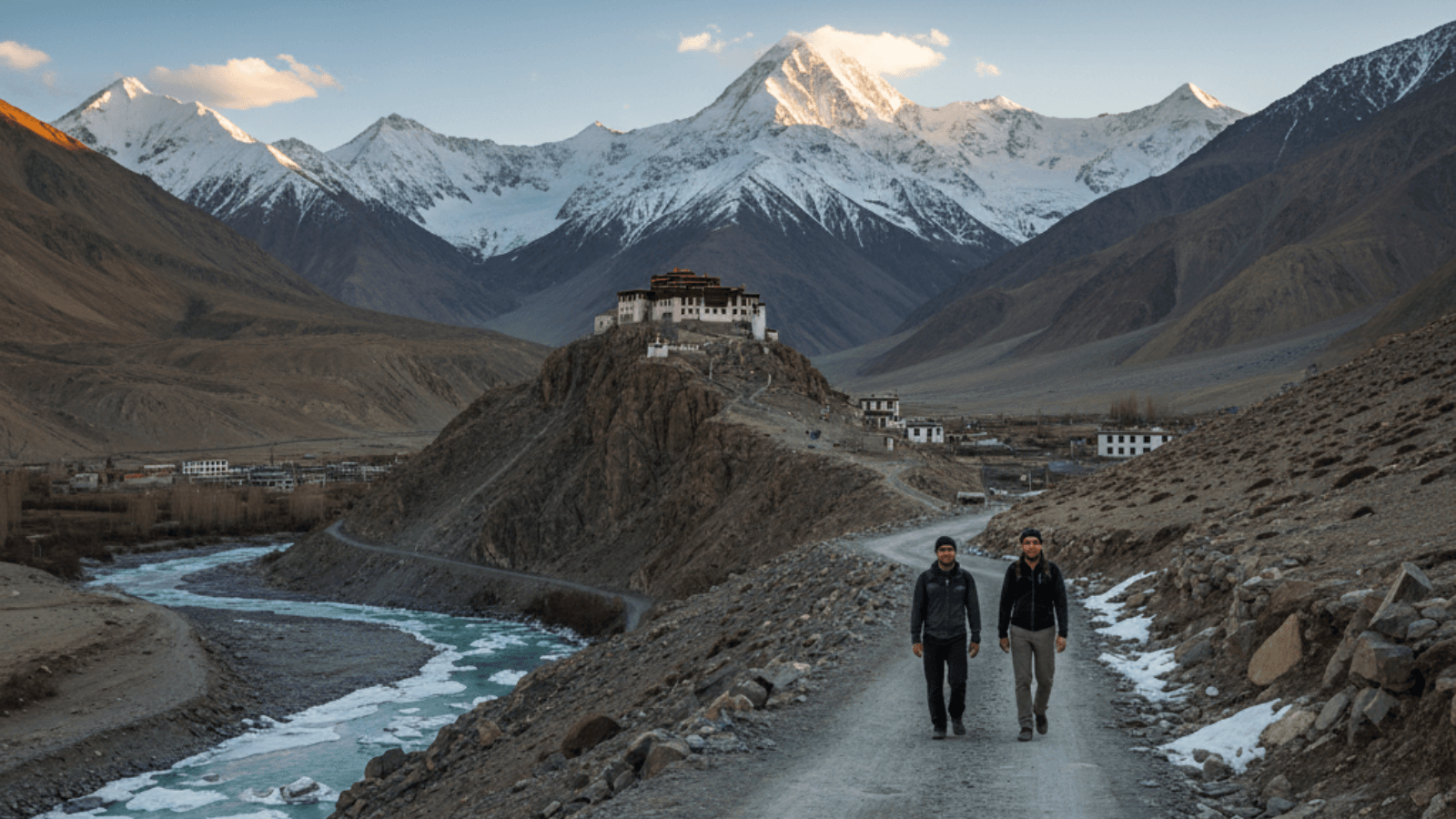
Vehicles, Fuel, and the Small Decisions That Matter
High ground clearance matters more than four-wheel drive. Most roads are broken, not slippery, and scraping the underbody is the real enemy.
Fuel up at Reckong Peo or Kaza without exception. There are no reliable pumps beyond these points, and detours add distance fast. Carry cash; card machines fail quietly and often.
Start drives early. Afternoon winds kick up dust, river crossings swell, and delays multiply. Spiti rewards people who are done driving before the sun dips.
Packing for Comfort, Not Bragging Rights
Layering beats heavy jackets. A thermal base, fleece, and a windproof outer layer cover most conditions better than one bulky coat.
Carry a refillable bottle and basic electrolyte sachets. Dehydration worsens altitude symptoms, and people often forget to drink because the cold masks thirst.
Lip balm, sunscreen, and a moisturiser are not optional. UV exposure is intense, and dry air cracks skin fast, especially above 4,000 metres.
Altitude Without Anxiety
The body adjusts best when you let it. Avoid sleeping higher than your previous night by more than 500–600 metres whenever possible.
Headaches, poor sleep, and appetite loss are common in the first two days. They usually fade if you rest, hydrate, and avoid alcohol. Pushing through rarely ends well.
Diamox is useful, not mandatory. Some people prefer not to take it and do fine with slow pacing. If you do carry it, start a day before ascent and keep doses light.
How to Pace Your Days So Spiti Feels Spacious
Plan fewer destinations and stay longer. Two nights in Tabo or Langza give more than ticking off five villages in one day.
Walk slowly, even on flat ground. Locals do not rush because there is no reward for it here. Your breathing will thank you for copying them.
Keep afternoons loose. Short walks, monastery visits, or simply sitting in the sun help your body adapt better than constant movement.
Food, Sleep, and the Unsexy Basics
Eat light at night. Heavy meals strain digestion at altitude and disrupt sleep, even if the food is excellent. Expect basic rooms, not discomfort. Thick blankets, clean beds, and warm meals are common, even in remote villages.
Power cuts happen. Headlamps and power banks remove frustration from evenings without turning them into stories of hardship.
What Locals Know That Google Maps Doesn’t
Road conditions change daily. Asking a homestay host or shopkeeper before leaving often saves hours of backtracking.
Weather shifts without drama. Clear mornings can turn windy by noon, and plans adjust quietly. The people who enjoy Spiti most treat this as normal, not as a setback.
Silence is part of the place. The absence of constant noise, notifications, and urgency is not something to fill. It is something to let happen. If you want a hassle-free stay with local charm and cozy comfort in Spiti, Neomaxer has your back. Check out their handpicked stays that make your trip smooth and memorable.









