
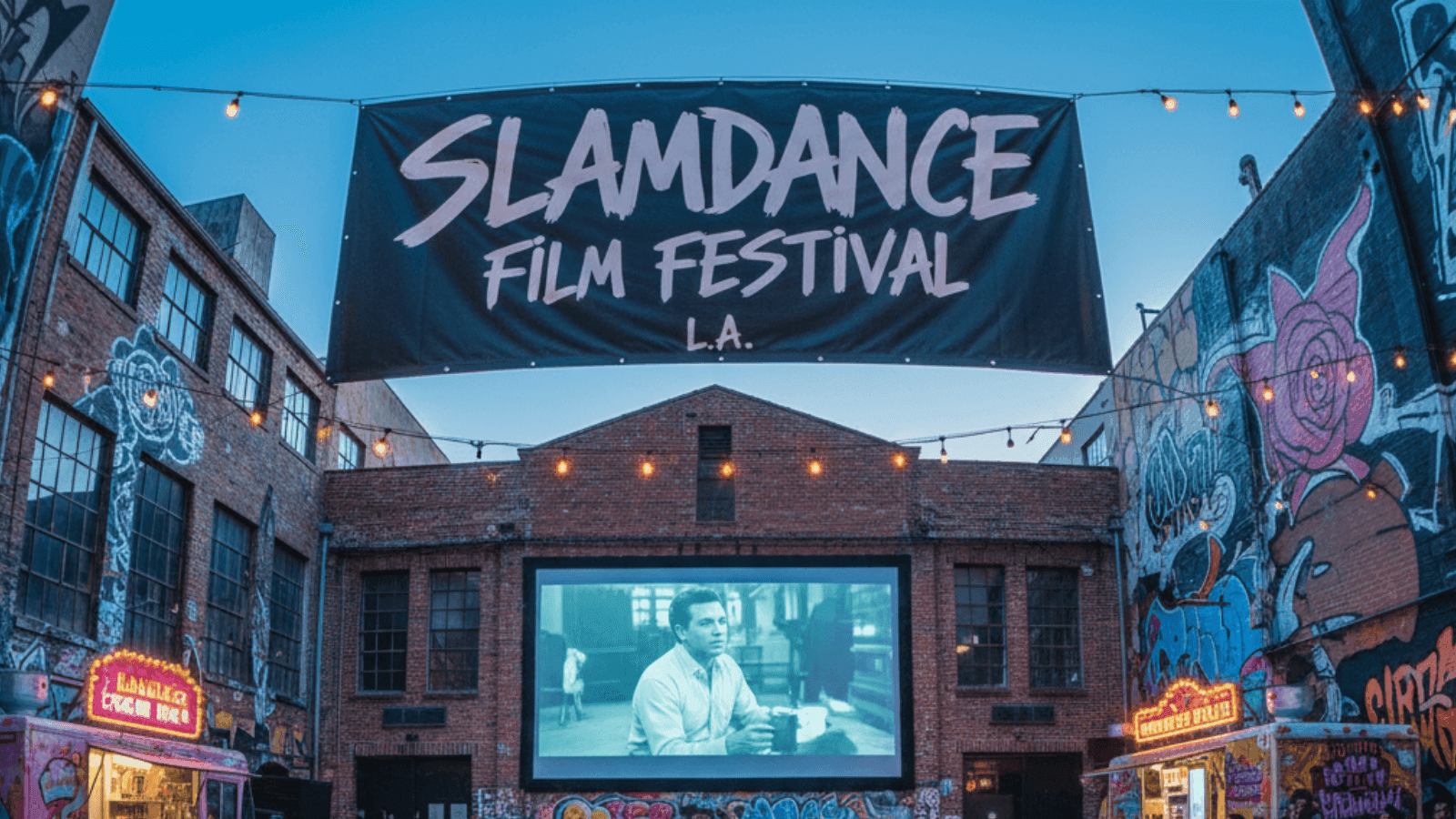
A Different Side of Los Angeles Appears During Slamdance Film Festival Week
During Slamdance week, Los Angeles stops performing for tourists and starts working for filmmakers. You notice it in how strangers talk to each other. People share screening tips like they are passing along secret locations, and suddenly the city feels smaller, more intentional.
Slamdance Shifts LA's Spotlight West
Slamdance has always belonged to the outsiders. It was founded by filmmakers rejected elsewhere, and that attitude still shapes the week. Screenings attract crowds who stay after the credits, discussing scenes on sidewalks and in queues for the next show.
The energy spreads beyond theaters. Bookstores host script readings. Vintage shops play short films on small TVs in corners. Even rideshare drivers start asking passengers which films are worth seeing.
Key Screening Venues on Sunset Strip
The Sunset Strip becomes a working corridor during Slamdance. Historic venues that usually feel like monuments start functioning again as gathering points.
The TCL Chinese Theatre draws crowds early, especially for premieres. You see filmmakers scanning audience reactions instead of watching their own work. Smaller nearby theaters host experimental screenings where audiences sit forward, alert, knowing they might witness something before it becomes known elsewhere.
Hidden LA Spots That Wake Up
- Skylight Books in Los Feliz fills with filmmakers flipping through cinema history between screenings
- Griffith Park trails see early morning walks from people resetting after late premieres
- Small editing studios in Silver Lake quietly host private viewing sessions
- Record stores along Sunset extend hours as festival crowds drift in after shows
- Rooftop parking garages turn into informal meeting spots overlooking the city
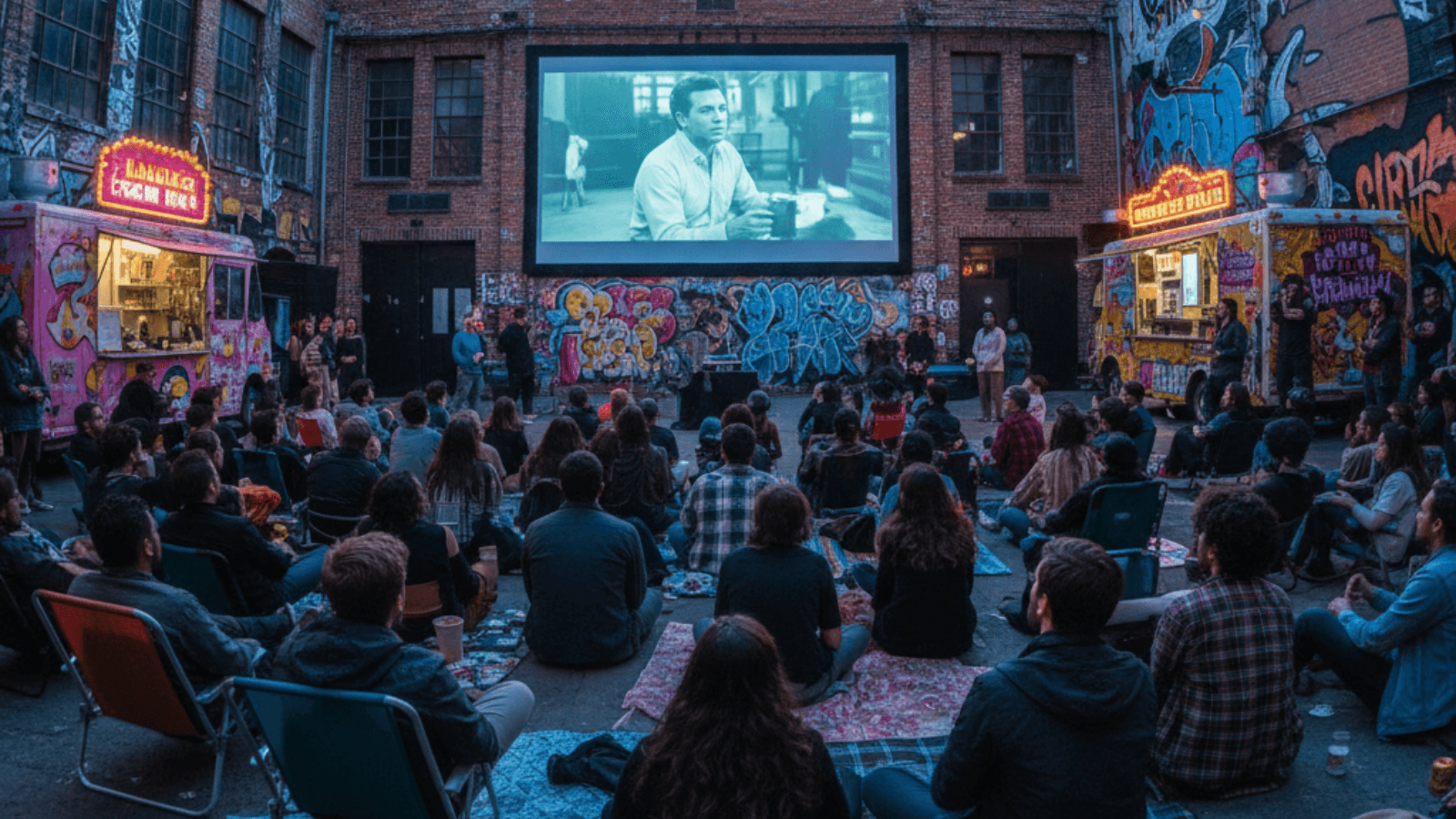
Off-Screen Events Worth Chasing
Panels rarely feel formal. Directors talk about failure as much as success, and the honesty draws listeners closer. These sessions happen in unexpected spaces, including hotel lounges and converted offices.
Networking happens without labels. A casual conversation over coffee can turn into a collaboration months later. Nobody exchanges business cards first. They exchange opinions first.
Easiest Ways to Get Around Festival Week
- Walking works best between venues clustered on Sunset Boulevard
- Rideshare apps help during late hours when screenings run past midnight
- Metro Red Line connects downtown and Hollywood without parking stress
- Parking garages near theaters fill early, especially during premiere days
- Festival schedules shift often, so flexibility matters more than strict planning
Quiet escapes from screening marathons
- Runyon Canyon offers quick elevation and a full view of the city resetting below
- Franklin Canyon Park feels removed from festival noise despite being nearby
- Griffith Observatory grounds provide open air and space to sit without crowds
- Laurel Canyon roads invite slow drives between screening blocks
- Small neighborhood cafes in Echo Park remain calm even during peak hours
Food and Drinks
Coffee shops operate like unofficial festival offices. Laptops stay open for hours while filmmakers answer emails and make edits between screenings.
Bars along Sunset fill gradually. Conversations start about films but drift into music, travel, and future plans. Nobody watches the clock because the next screening is always close enough to reach on time.
Where to Stay Near the Action
Hotels along Sunset Boulevard fill quickly, but smaller boutique stays in West Hollywood offer easier access to multiple venues. Many filmmakers prefer places within walking distance to avoid depending on traffic. Short-term rentals in Hollywood and Los Feliz also work well. These neighborhoods give quick access to screening venues while offering quieter streets when the day ends. Staying close to the action makes every screening, conversation, and late-night plan easier to catch. Neomaxer helps you find stays near the festival’s busiest venues, so you’re always right where the stories are happening.









