
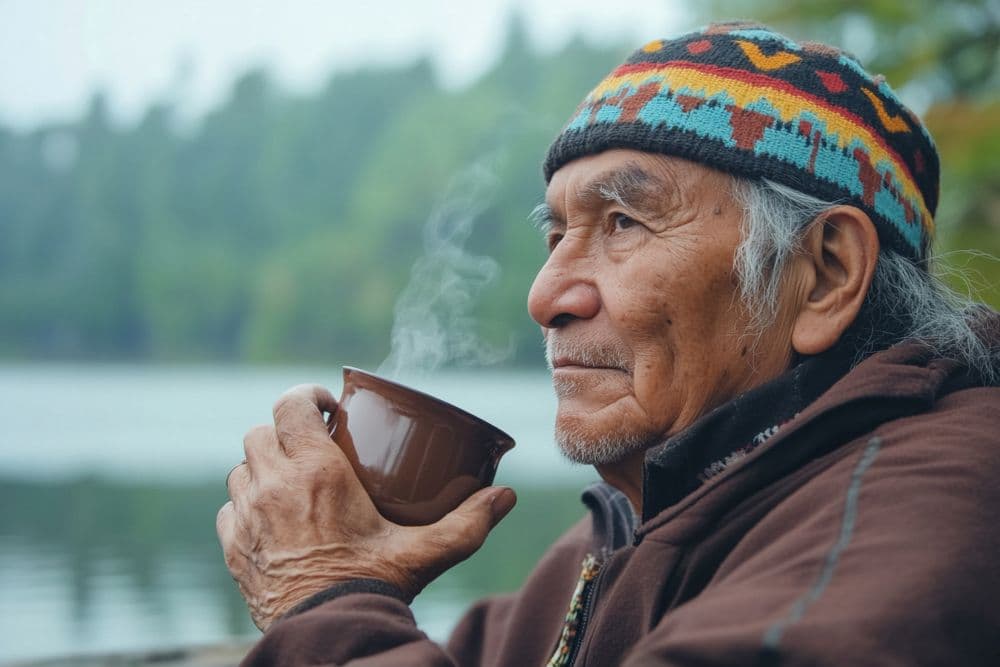
Steam from freshly withered tea leaves hangs over the low buildings of Jorhat’s oldest tea research centre each morning, while lab coats move between bushes and microscopes.
Where the tea research centre sits in Jorhat
The institute is located at the town's outskirts, where the hustle of Jorhat's traffic is dispersing, and the tea gardens are soon to surround it. One side has research blocks and nurseries, the other side, a few beautiful, straight, lined rows of Assam tea gradually disappearing into the mist.
Useful bearings for visitors:
- Jorhat distance from Guwahati: about 300 km by road,6 to 7 hours
- Jorhat distance from Kaziranga: roughly 100 km, around 2.5 hours by car
- The campus lies a short drive from the main town and bus stand, autos and cabs know it by name
The compound feels like a quiet island inside the wider noise of Jorhat tourism and daily trade.
Inside a living tea museum
You do not walk into glass cases and silent halls here. You step into working labs and trial plots where the exhibits are still growing.
Labs that smell of tea
Most research rooms smell faintly of brewed leaves and damp soil. Scientists lean over petri dishes while fans hum and tea dust settles on old files.
Typical sections you might see on a guided visit include:
- Plant pathology labs checking leaves for disease
- Soil and nutrition wings comparing how different patches respond
- Engineering units testing small machines that factories may use later
- Library rooms piled with decades of tea journals and maps
It feels less like a museum of the past, more like a backstage pass to the future of every cup you drink.
Tasting as experiment
One corner usually holds the tasting room. Rows of cups, measured spoons, and silent tasters slurping, spitting, writing notes.
Here you realise what Jorhat is famous for beyond plantations: the fine-tuning of flavour itself.
In a typical session:
- Leaves from different estates and clones are brewed under strict timing
- Tasters assess colour, aroma, strength and mouthfeel
- Small differences in weather or pruning show up clearly in the cup
You watch people treat tea like a language, each sip another word in a long sentence.
History of Jorhat written in tea and river silt
Long before research labs rose here, this was capital land for the Ahom kings. The history of Jorhat carries palaces, satras and markets, then later British-era bungalows and the first organised tea estates.
At the institute, old photographs and charts sometimes trace this arc:
- From wild tea and forest patches along the Brahmaputra
- To experimental plots and early factories
- To the global trade that now sends Assam tea in every direction
In this story, the research centre acts like a hinge between royal past and commercial present.

Planning your visit to the research centre
This is not a walk-in tourist attraction every hour of the day. Visits usually need permission, coordination with staff, or a guided tour arranged through local operators.
Key points to check in advance:
- Visitor hours and any fixed tour slots
- Whether photography is allowed in specific labs or only outside
- Safety rules for factory or field sections
Reach Jorhat by road or rail, then use local taxis or autos to reach the gate; boards and security make the entrance easy to find.
Getting to Jorhat and moving around tea country
Despite its plantation feel, the town is well connected.
- Jorhat airport (Rowriah) links to Guwahati, Kolkata and other hubs, bringing you almost straight into tea country
- Trains from Guwahati and upper Assam halt at Jorhat Town or Mariani
- Buses and shared vehicles fan out towards Sivasagar, Kaziranga, Dibrugarh and beyond
For many, Jorhat tourism means a loop of tea gardens, satras on the Brahmaputra islands, and old Ahom sites, with the research centre as the anchor stop.
Beyond the lab: what else to see around Jorhat
Once you step out of the institute, the wider map opens up.
Notable Jorhat tourist spot options include:
- Majuli (via ferry): river island with satras, masks, music and monsoon skies
- Thengal Bhawan: old Assamese mansion linked to local print history
- Sukapha Samannay Kshetra and Ahom-era sites nearby
- Nearby tea estates that offer guided walks and sometimes homestays
Walking these places helps you feel how tightly the research centre, the river and the town’s memory are woven together.
Staying in and around the estates
Someday here starts with mist over tea rows, not traffic horns. Choosing where you sleep shapes how you experience both the science and the silence.
A good Jorhat-style business hotel will not fit this landscape; instead, look for small lodges and bungalow stays around Jorhat that:
- Sit within short driving distance of the research campus
- Offer early breakfasts for days when you join a morning tour
- Arrange local guides for estate walks and nearby heritage sites
Once you have decided how many nights you want among tea, river and lab corridors, it is simpler to lock in a quiet base through Neomaxer so that when you arrive in Jorhat your focus can stay on tasting history, not hunting for a last minute room in the dark after the factories fall silent over Jorhat.









