
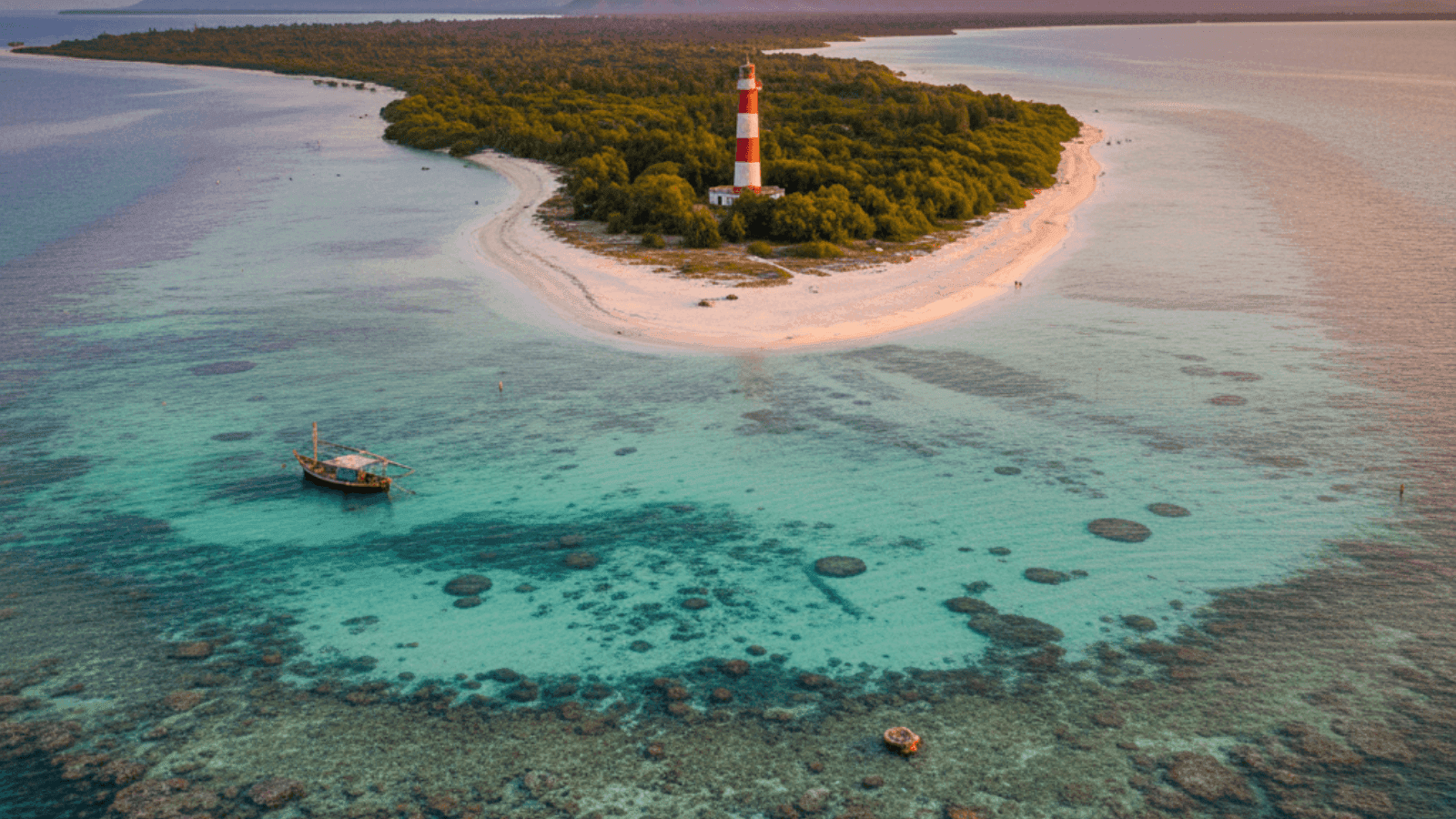
Seeing Biodiversity Close Up Around Pirotan’s Waters
Pirotan Island sits inside the Marine National Park of the Gulf of Kutch, and its biggest draw is not the land itself but what lives just below the surface. When the tide pulls back, the seabed turns into an exposed world of corals, shells, soft algae, and small marine creatures that usually stay hidden.
What Makes Pirotan’s Waters Special
This part of the Gulf of Kutch has one of the highest tidal ranges in India. That extreme rise and fall creates a rare intertidal ecosystem where marine life adapts to both submersion and exposure. During low tide, visitors can walk across stretches of seabed that are normally underwater, offering a close, unfiltered view of marine biodiversity.
The corals here are not the reef-like structures many travellers expect. They are hardy, resilient species that survive strong currents and fluctuating salinity. Massive corals, brain corals, and branching forms appear scattered across the seabed, often mistaken for rocks until something moves.
Mangroves along the island’s edge play a quiet but critical role. Their tangled roots trap sediments, protect young marine life, and act as nurseries for fish and crustaceans that later move into deeper waters.
Marine Life You Can Actually See
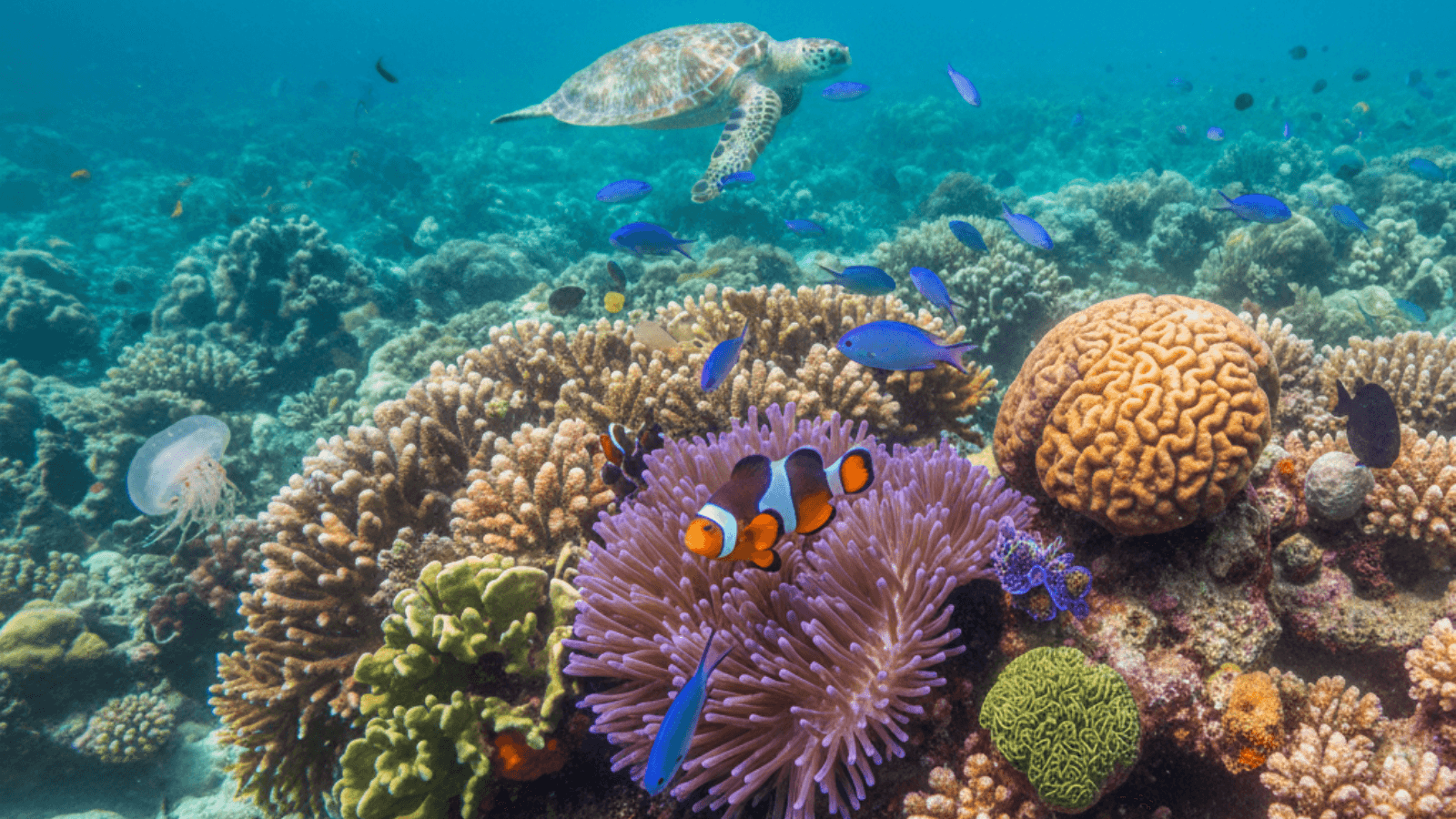
Starfish cling to damp sand in shades of orange, purple, and pale blue. Sea cucumbers lie motionless until stepped around, blending so well they are easy to miss. Small crabs dart between coral gaps, disappearing the second a shadow passes overhead.
Octopus sightings are rare but possible, especially near rocky pools. They change colour to match their surroundings, making them almost invisible unless they move. Jellyfish often wash up gently during certain seasons, translucent and delicate, carried in by the currents.
Birdlife adds another layer to the experience. Flamingos, gulls, terns, and migratory shorebirds feed in shallow waters nearby. Their presence signals the health of the marine ecosystem rather than acting as a separate attraction.
Wildlife Found Around Pirotan Island
- Coral species including brain coral, star coral, and branching coral
- Starfish, sea urchins, sea cucumbers, and brittle stars
- Crabs, shrimps, molluscs, and mudskippers
- Octopus and small reef fish during higher tides
- Migratory birds like flamingos, pelicans, and sandpipers
Experiences That Bring You Close to Biodiversity
Walking across the exposed seabed during low tide is the defining experience. It feels less like sightseeing and more like being allowed into a workspace where nature is busy and indifferent to your presence.
Guided reef walks are mandatory, and for good reason. Naturalists help identify species that look ordinary at first glance and explain how each organism fits into the larger food chain. Without guidance, much of the richness goes unnoticed.
Photography works best when focused on details rather than landscapes. Textures, colours, and patterns in corals and shells tell a stronger story than wide shots of water and sky. There is no swimming or snorkeling here due to strong currents and conservation rules. The experience is observational, grounded, and deliberately limited.
How to Reach Pirotan Island
Jamnagar is the base point for all visits. It is connected by road and rail to major cities in Gujarat, and the Jamnagar airport has regular flights from Mumbai and Ahmedabad.
From Jamnagar, travellers reach the jetty near the Marine National Park area. Boats used for transport are basic and functional, designed more for stability than comfort. The ride itself offers glimpses of mangroves, fishing boats, and open gulf waters.
Weather, Tides, and Best Time to Visit
The best months to visit are from October to March, when temperatures are manageable and humidity is lower. Summers are harsh, with strong sun and limited shade on the island.
Tides dictate everything. Low tide timings change daily, and visits are planned around those narrow windows. Missing the tide means missing the experience entirely. Monsoon months bring rough seas and restricted access. Even when visits are allowed, visibility is reduced, and marine activity is harder to observe.
Things to Know Before You Go
Footwear matters. Closed shoes with good grip protect against sharp shells and uneven coral surfaces. Sunscreen, hats, and water are essential since there is no shelter once you are on the island.
Nothing is allowed to be collected or touched. The corals may look solid, but many are alive and fragile. Stepping carefully is part of the experience, not a rule to rush through.
Mobile signals fade quickly once you leave the mainland. Conversations slow down, attention shifts downward, and most people end up watching their feet instead of their screens.
If seeing marine life this close is on your travel list, the stay matters just as much as the place. Neomaxer curates stays that match the pace of coastal travel, so your time around Pirotan feels effortless from morning to night.









