
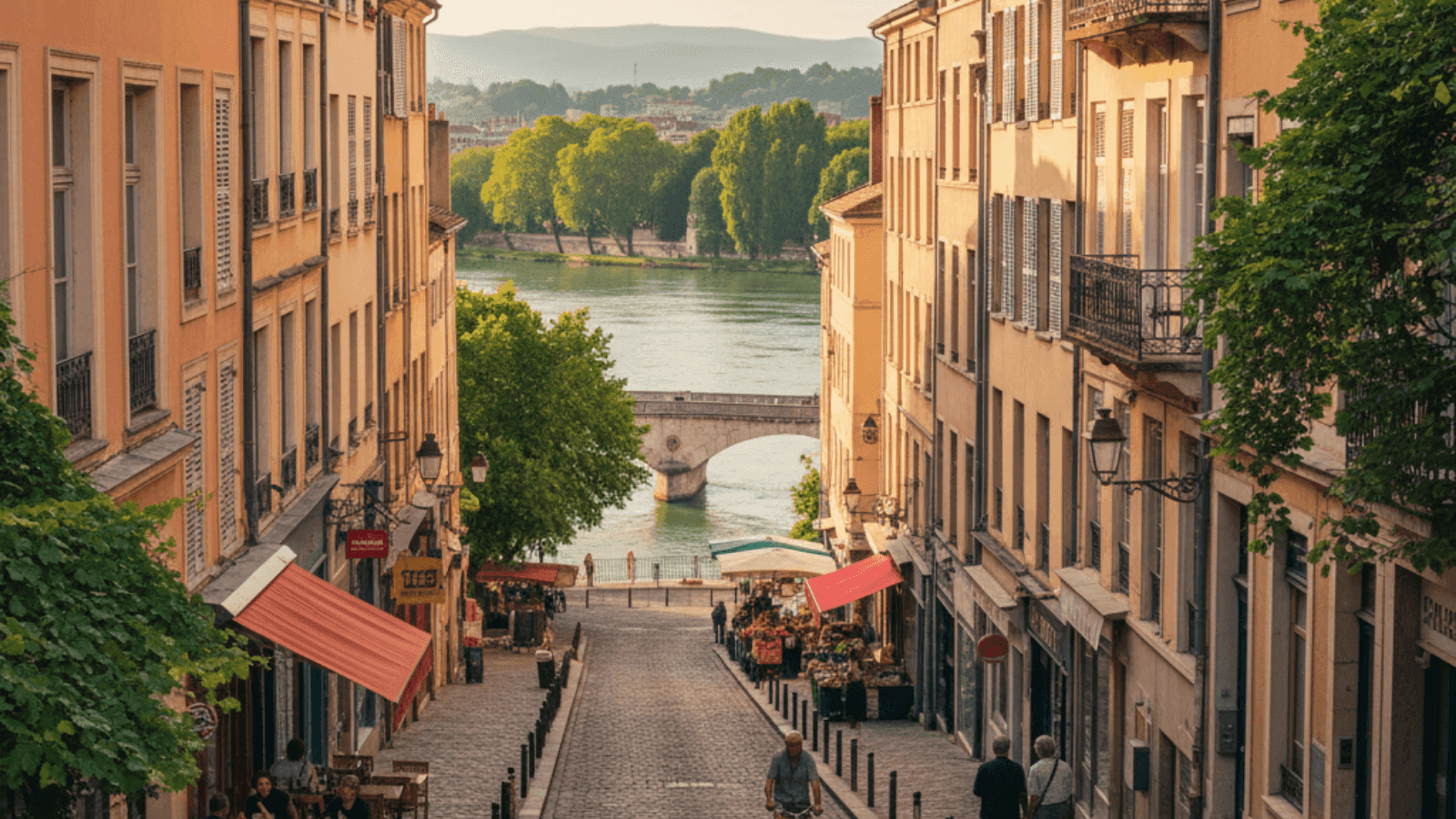
Secondary Cities Outperform Capitals for Modern Travel
Capital cities stopped being exciting before they became exhausting. Too many plans. Too much noise. Too little room to actually enjoy the trip. That’s where secondary cities quietly stepped in and did better.
Why Travellers Are Moving Away From Capital Cities
Capital trips now come with hidden costs that don’t show up on booking screens. Long transfers after landing. Hours lost to traffic. Restaurants that need reservations days in advance. Attractions that require timed entry slots just to control crowds. The trip starts feeling like a checklist the moment you arrive. Many travellers realised they were spending more time navigating systems than experiencing places. That friction alone was enough to look elsewhere.
What Travellers Actually Mean by “Second Cities”
A second city is not a small town and not an alternative version of a capital. It is usually the second or third most important city in a region. It has infrastructure, history, food culture, and local rhythm, without being overrun by tourism volume. These cities function for residents first, visitors second. They are large enough to be comfortable, small enough to breathe.
What Actually Defines a Second City (On the Ground)
- Distances feel manageable. Neighbourhoods connect naturally. Crossing the city doesn’t take half a day or multiple transport changes.
- Hotels and homestays are not locked into one tourist district. Staying “outside the centre” still keeps you close to food, markets, and daily activity.
- Markets exist for weekly shopping, not photography. Parks, streets, and tea shops remain part of daily routines, not curated experiences.
- Cafes and eateries serve regulars alongside travellers without adjusted menus, inflated prices, or reservation pressure.
- The city wasn’t redesigned to handle volume. It still moves at its original pace, with visitors fitting into the rhythm rather than dictating it.

Why These Cities Quietly Saw Higher Occupancy
- Instead of two rushed nights in capitals, travellers booked four to seven nights. The pace made it easier to settle in rather than move on quickly.
- Remote workers and slow travellers filled midweek gaps. Occupancy stayed steady instead of peaking only on weekends.
- Families moved without pressure. Solo travellers felt safe lingering. Couples didn’t need packed itineraries to justify the trip.
- Travellers returned to the same city rather than checking off a new capital each time.
- These places weren’t chosen for being “undiscovered.” They worked better for how people actually travel now.
Emotional Cost Became a Deciding Factor
Travel exhaustion now sets in faster. Crowded metros, noise-heavy streets, and constant stimulation drain people earlier than they used to. Capitals concentrate all of that into compact spaces. Second cities distribute experiences more gently. Mornings stay quiet longer. Afternoons feel unhurried. Evenings don’t revolve around beating crowds. Travellers noticed they came back rested instead of needing recovery days.
Food Is Better When It Isn’t Performing
In capital cities, food often becomes a product for visitors. Menus flatten. Prices rise. Reservation pressure replaces spontaneity. In secondary cities, food remains functional. You eat where locals eat because those places still exist. Regional dishes appear without explanation boards. Kitchens don’t rush service to turn tables faster. Meals take up space in the day instead of being squeezed between plans.
Some Examples of What Travellers Are Choosing Instead
- Instead of Paris, people linger in Lyon and Aix-en-Provence.
- Instead of Tokyo-only itineraries, trips now include Kanazawa, Takayama, and Matsumoto.
- Instead of Barcelona, travellers head to Girona or Tarragona.
- In Italy, Bologna quietly outperforms Rome for repeat visitors. In the UK, cities like Bath, York, and Bristol draw longer stays than London for second-time travellers.
- In India, the shift is even clearer. Madurai over Chennai. Thrissur over Kochi. Udupi over Bengaluru. Valparai over Ooty. These places offer depth without exhaustion.
Cost Differences Feel Fair, Not Cheap
Lower prices matter less than proportional value. Travellers feel comfortable spending on local experiences because costs align with quality. There is less resentment, less feeling of being upsold for location alone. That trust encourages longer stays and repeat visits.
Sustainability Happens Without Trying
Second cities benefit without being overwhelmed. Tourism revenue spreads across neighbourhoods. Local businesses stay relevant. Daily life continues without being displaced. Travellers don’t feel like intruders. Residents don’t feel like hosts. That balance is rare in capitals now.
These Places Match How People Want to Travel Now
People want fewer decisions per day. They want places that allow boredom, wandering, silence, and routine. Secondary cities support that shift without marketing themselves as slow or mindful. They simply are. Once travellers experience that difference, choosing a capital again feels like opting into noise. And many don’t.
Accommodation Fits Slower Travel
Smaller hotels and homestays thrive in second cities because guests stay in. Rooms are designed for time spent awake, not just sleep. Hosts give real recommendations instead of rehearsed lists. Check-in times are flexible because turnover pressure is lower. Travellers aren’t rushing out at dawn or collapsing exhausted at night. For travellers choosing places that support slower, longer stays, Neomaxer curates accommodation that fits this rhythm across secondary cities.









