
Sapporo Snow Festival Tips to Experience It Like a Local
Snow squeaks under your boots in Odori Park, and that sound tells you more about the temperature than any weather app.
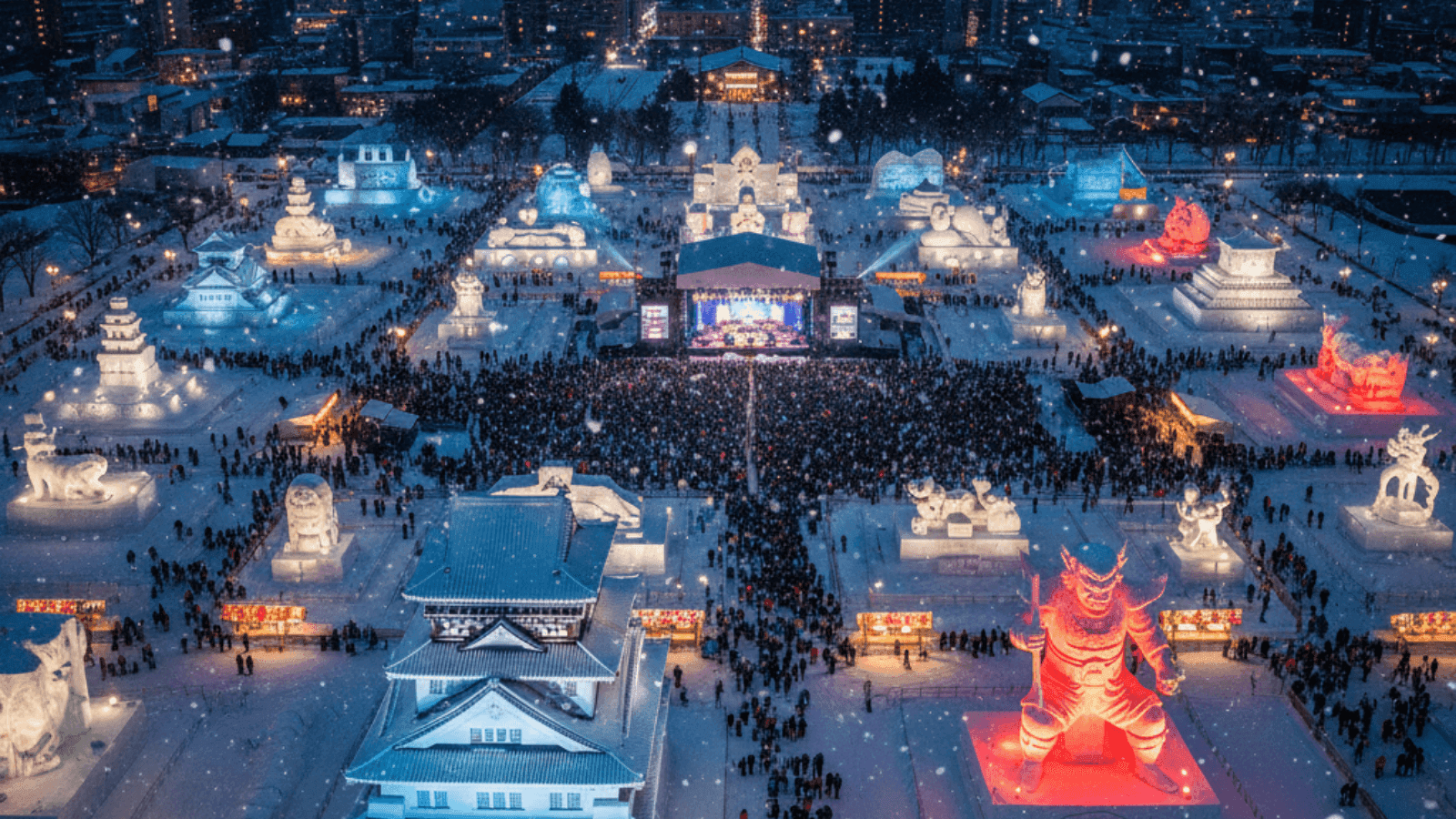
The Sapporo Snow Festival stretches across the city, but locals don’t rush to “see it all.” They pick a site, a time of day, and a food stall they trust, then let the rest happen slowly. The festival is spread across three main areas: Odori Site, Susukino Site, and Tsudome Site, each with its own rhythm and crowd pattern.
Choose the Right Site for the Right Mood
Odori Site runs through the city’s central park and holds the massive snow sculptures that make the news. These are best seen early in the morning, before tour buses arrive and before the sun softens the edges. Locals walk this stretch with coffee in hand, treating it like a winter commute with better scenery.
Susukino Site feels different after dark. Ice sculptures line the streets near bars and ramen shops, lit from within and surrounded by steam from kitchens. Office workers often come here in the evening, pairing sculpture-hopping with dinner rather than making it the main event.
How to Reach the Festival Areas
Odori and Susukino are easy subway stops on multiple lines, and locals rely on trains rather than taxis. Stations are well-marked during the festival, and exits open close to sculpture zones.
Tsudome requires a little planning. Shuttle buses run from subway stations like Sakaemachi, especially during peak hours. Locals expect queues and treat the ride as part of the day, not an inconvenience. Walking between nearby sites is normal, even in freezing conditions. Sidewalks are cleared, and a 15–20 minute walk is considered reasonable if it avoids congestion.

Temperature, What to Wear, and What to Pack
- Daytime temperatures usually sit between -5°C and -1°C, while evenings can drop to -10°C or lower. Wind can make it feel colder, especially in open areas like Odori Park.
- Locals dress for standing still, not just walking. Insulated boots with good grip matter more than heavy coats. Layering is key: thermal innerwear, a warm mid-layer, and a windproof outer shell.
- Pack heat packs for pockets or gloves, a scarf or mask to block wind, and thick socks. A small backpack helps shed layers when stepping into heated subway stations or shops.
Use Public Transport Like a Resident
The subway is the backbone of festival movement. Odori, Susukino, and Sapporo stations connect most major points, and locals avoid taxis unless it’s late at night. Trains run frequently, and signage during the festival is clear even if you don’t read Japanese.
For Tsudome, shuttle buses operate from central subway stations like Sakaemachi. Locals queue patiently and expect some waiting time, especially on weekends. The ride itself becomes part of the experience, filled with families carrying sleds and snacks.
Walking between nearby sites is common, even in freezing temperatures. Locals dress for it and consider a 20-minute walk normal if it avoids congestion.
What Not to Miss While You’re There
Large sculptures change character between daylight and night lighting. Locals often see the same one twice. Ice sculptures crack and get replaced quietly. Seeing a freshly installed piece feels accidental, not scheduled. Street performers appear more often after dark, especially near Susukino, when crowds thin just enough to stop and listen.
Eat What Locals Line Up For
Festival food stalls can be hit or miss, and locals are selective. Soup curry, grilled corn with butter, and Hokkaido scallops are safer bets than novelty snacks. Long lines often signal consistency rather than hype. Ramen shops near Susukino stay busy during the festival, especially late at night.
Locals don’t mind waiting for a bowl that warms them properly, and many visitors underestimate how cold they’ll feel after standing still outside.
Local Habits That Make the Festival Easier
- Carry a small towel to wipe snow from benches or gloves
- Use station lockers to avoid carrying extra layers all day
- Check wind direction before stopping to eat outside
- Plan indoor breaks near subway exits
- Follow crowd flow instead of fighting it
Small Details Visitors Usually Miss
- Snow sculptures are repaired overnight, not constantly
- Ice sculptures are replaced if they crack
- Odori Park sections have different crowd densities
- Trash sorting stations are monitored, not optional
- Street musicians perform more after dark
Know When to Leave
Locals rarely stay until they’re exhausted. They leave while they’re still warm, before toes go numb and crowds thicken. Exiting just before peak hours makes the subway ride calmer and the experience feel complete rather than overwhelming.
Some nights end with a short walk instead of another sculpture. The city feels quieter a block away from the festival, snowbanks higher, footsteps fewer, and the cold suddenly personal again.
If you want your Sapporo Snow Festival days to start warm and end unhurried, where you stay matters. Neomaxer helps you book comfortable, well-located stays so winter mornings feel easy and nights come with real rest.









