
Solo Trips That Feel Safe, Social, and Naturally Paced
Solo travel gets better when no one asks why you’re alone. When mornings have familiar faces, evenings feel easy, and plans change without friction. This kind of travel isn’t loud or rushed, it fits into your day quietly and stays there.
What Actually Makes a Place Feel Safe When You’re Alone
A destination feels safe when routines exist outside tourism. Morning walkers, shopkeepers who open at the same hour daily, buses that locals use without thinking. You notice it in places where you can sit quietly and nothing about your presence feels unusual.
Solo travelers tend to relax faster in towns where life runs on repetition, not spectacle. When people are used to seeing strangers come and go, attention stays neutral. That neutrality is often the biggest relief.
Hill Towns Where Time Does Half the Work for You
Rishikesh
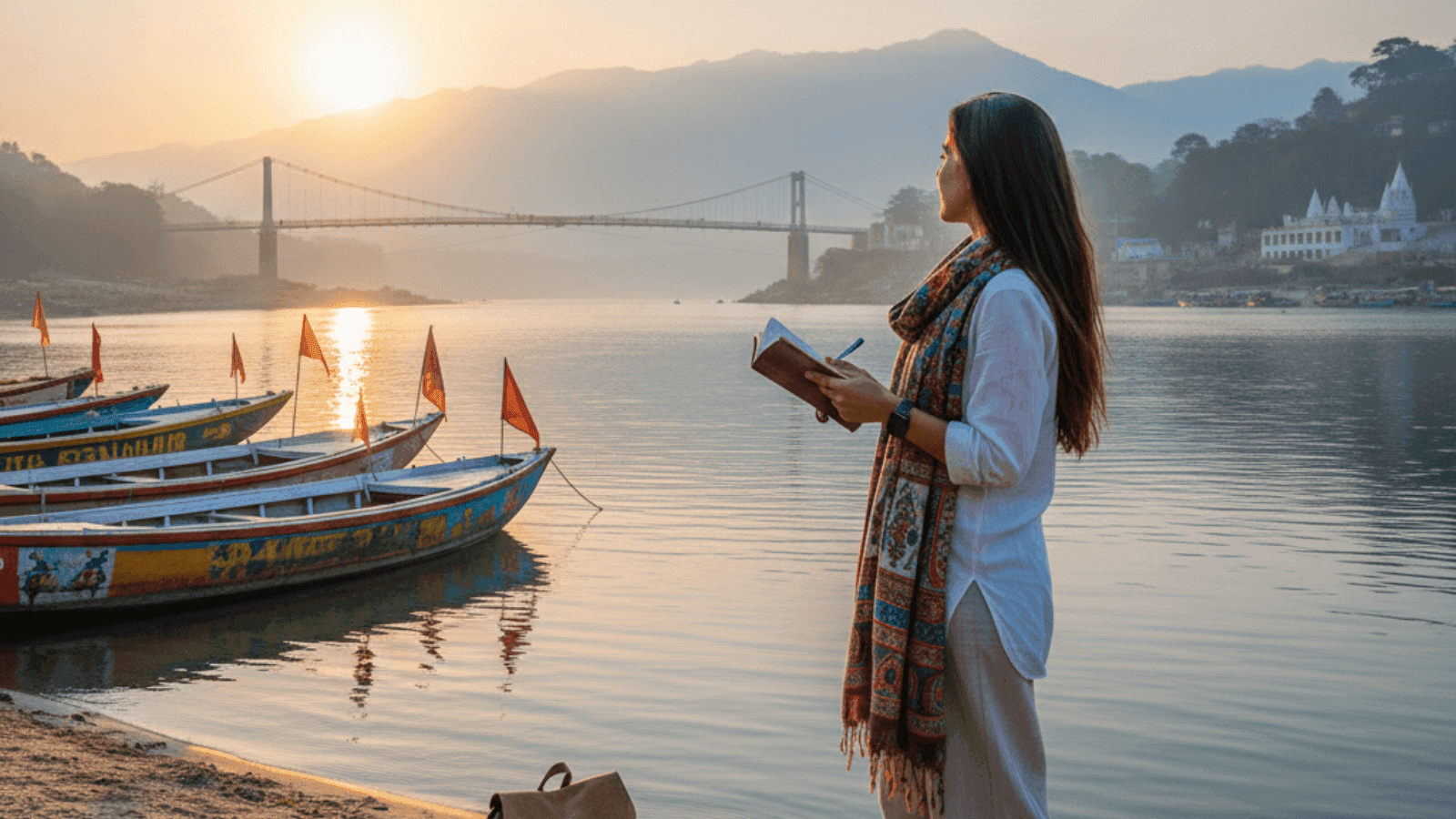
Rishikesh moves to the sound of bells and river flow. Days start early, wind down before midnight, and social interaction happens naturally around cafes, yoga shalas, and evening aartis. Solo travelers blend in easily because many people arrive alone and stay for weeks.
The walkability helps. You rarely need to negotiate transport late at night. Evenings feel contained rather than empty.
McLeod Ganj and Dharamkot
This area supports slow solo routines. Morning walks, shared tables, long conversations with strangers who don’t ask intrusive questions. The Tibetan influence adds calm predictability, and the presence of long-term travelers creates a sense of quiet accountability.
It’s common to recognize faces by the third day, which changes how safe a place feels without any effort on your part.
Coastal Towns Where Solitude Doesn’t Mean Isolation
Varkala
Varkala’s cliff layout makes solo travel intuitive. One main stretch, constant foot traffic, and cafes designed for lingering. You can be alone without feeling watched. Sunsets become social without being performative.
People tend to return to the same spots daily, which creates soft familiarity. That familiarity makes asking for help or directions feel normal.
Gokarna
Outside peak party seasons, Gokarna is paced for solo movement. Beach paths replace roads. Days revolve around tides and meals. It’s easy to keep your own rhythm without feeling disconnected. The key is choosing quieter beaches like Om or Kudle rather than central temple areas late at night.

Mountain Regions Where Community Replaces Surveillance
Spiti Valley (in season)
Spiti feels safe because isolation is shared. Everyone relies on the same roads, weather updates, and meal stops. Homestays aren’t hospitality businesses as much as temporary households. When you stay put instead of hopping villages daily, locals begin to look out for you without saying so. That quiet watchfulness matters more than formal security.
Tirthan Valley
Tirthan rewards travelers who walk, not rush. The pace is dictated by daylight and terrain. Evenings end early, conversations start early, and there’s little pressure to perform productivity. Solo travelers often feel grounded here because the environment itself discourages reckless movement.
Cities That Are Surprisingly Comfortable When You Stay Small
Pondicherry
Pondicherry works for solo travel when you keep your radius tight. White Town’s grid, cafés, promenades, and early curfews create a structure that feels supportive rather than restrictive. Cycling or walking replaces late-night transport, which removes a common stress point for solo travelers.
Jaipur (select neighborhoods)
Jaipur can work solo when you choose heritage areas with residential life. Places where locals shop daily, not zones built entirely for tourists. Staying near markets that shut early often feels safer than nightlife-heavy districts. The city rewards daylight exploration and early evenings.
Practical Tips for Solo Trips That Feel Easy and Safe
- Stay longer in one place instead of hopping cities every two days
- Choose accommodations in lived-in neighborhoods, not isolated scenic spots
- Walk the same routes daily to build familiarity with people and surroundings
- Keep evenings simple and local rather than chasing late-night plans
- Use cafés, walking tours, yoga classes, or coworking spaces for low-effort social contact
- Share a loose plan with your host without overexplaining
- Trust routine over adrenaline when deciding what to do next
Choosing Stays That Support Solo Rhythm
Places that offer private rooms with shared common spaces strike the right balance. You control solitude while staying connected. Hosts who live on-site often provide unspoken reassurance simply by being present.
Properties designed for long stays tend to attract travelers who respect quiet routines, which shapes the overall atmosphere.
If you enjoy solo trips that move at your pace, feel social without effort, and come with a sense of ease, Neomaxer makes that kind of stay possible.









