
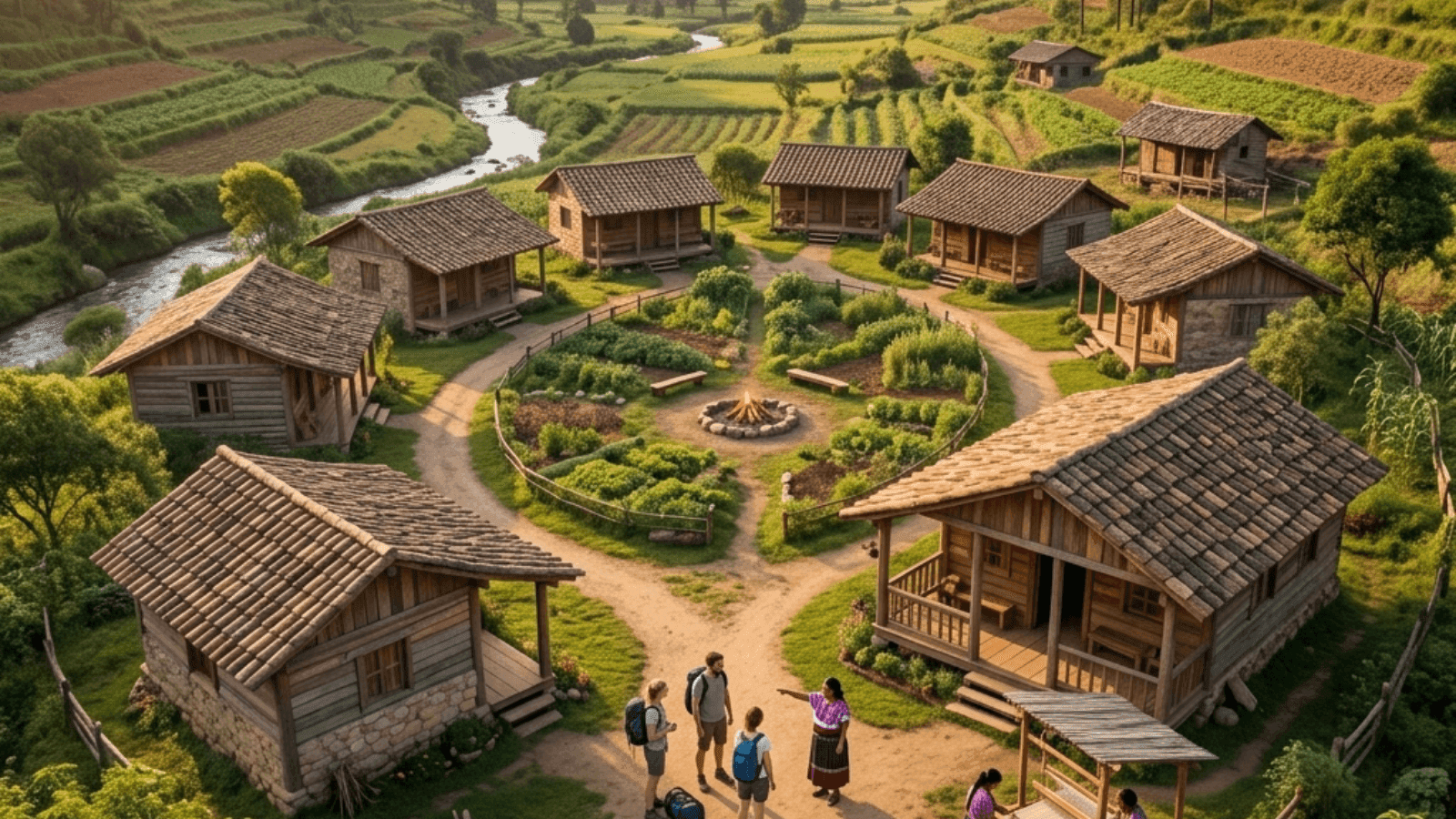
The Quiet Side of Oaxaca Where Travel Happens in Village Cabins
Somewhere after Oaxaca City disappears in the rearview mirror, the mountains take over. Pine forests, small Zapotec villages, and wooden cabins begin showing up along winding roads. People come up here for fresh air, forest hikes, and dinners that taste like they came straight from someone’s home kitchen.
Pueblos Mancomunados Cabin Locations
The Pueblos Mancomunados are a network of Zapotec mountain villages that built their own ecotourism system long before it became fashionable. Instead of private resorts, each village manages simple cabins, hiking routes, and shared dining halls. Visitors move between villages on foot through pine and oak forests.
The most visited cabin base is Cuajimoloyas, sitting at about 3,200 meters above sea level. The air feels thin and cold even in the afternoon, and clouds roll through the valley quickly. From here, marked trails connect to neighboring villages such as Benito Juárez, Llano Grande, and La Nevería.
Cuajimoloyas and Benito Juárez Basics
Cabins here are intentionally simple. Most are wooden or stone structures with basic beds, heavy blankets, and very little decoration. Electricity is available but unreliable during storms, and internet signals fade the moment you step away from the central office.
Benito Juárez sits slightly lower in the mountains and feels quieter. Fewer travelers stay overnight, so the pace is slower and the forest trails feel emptier. Both villages rely on rotating community workers who cook meals, maintain cabins, and guide visitors through the surrounding hills.
Booking Cabins What to Expect
Reservations work differently from standard hotels. Online booking platforms are rare, and communication usually happens through WhatsApp or direct phone calls with the village tourism office. Travelers typically confirm their stay about 48 hours in advance.
Most cabins cost around MXN 500 per night, though weekday walk-ins sometimes pay closer to MXN 400, especially for shared-bathroom cabins. Payment is almost always cash only, since card machines and reliable connections are difficult to maintain in the mountains.
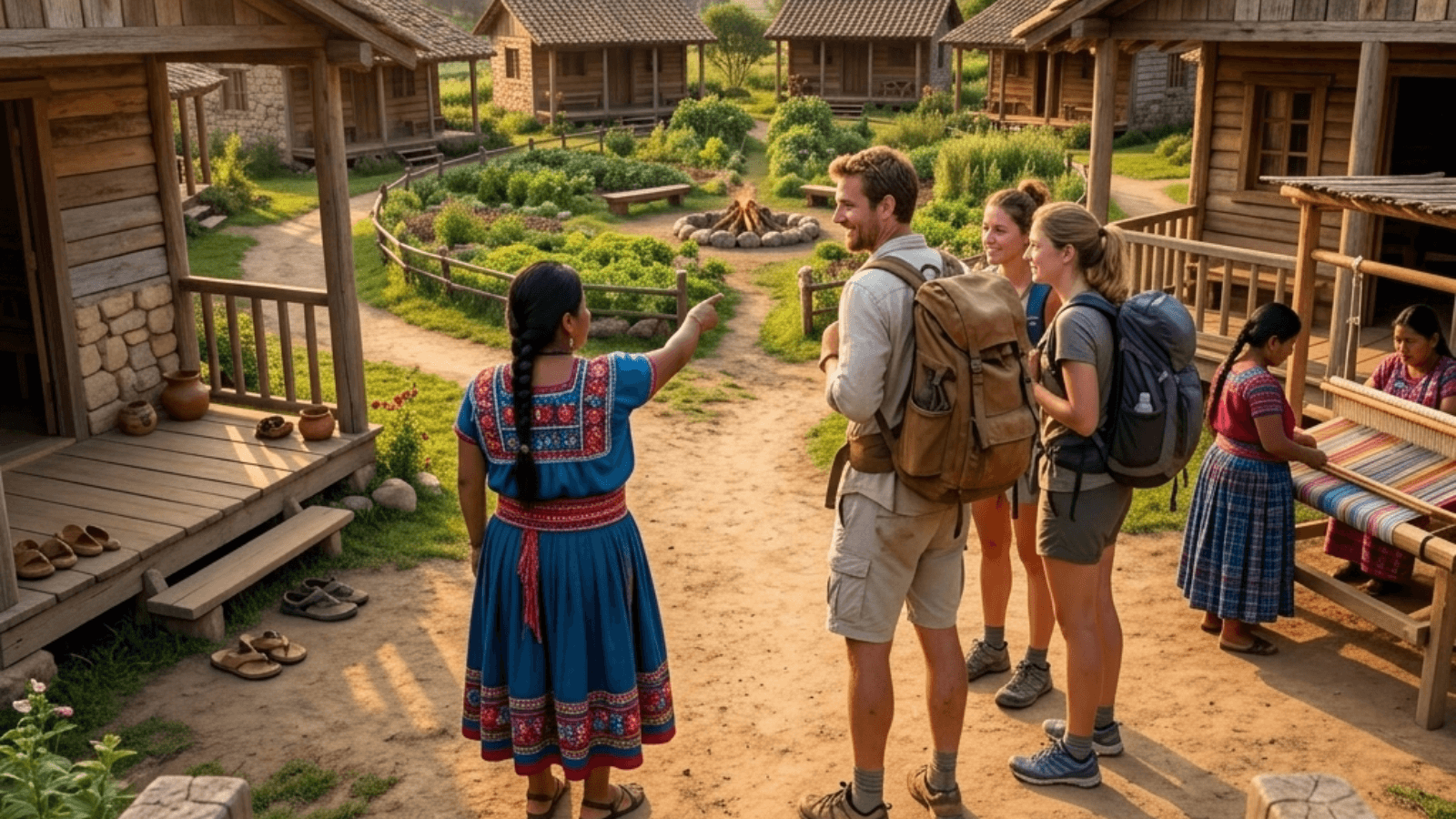
Meals are communal and surprisingly memorable. Local cooks rotate through kitchen duties and prepare traditional dishes like bean soup, handmade tortillas, grilled vegetables, and sometimes trout from nearby streams. Dinner usually costs around MXN 150, served at long tables where visitors and locals eat together. English is rarely spoken in the kitchens or offices. Basic Spanish helps, though gestures and patience usually fill the gap.
Oaxaca City to Sierra Norte Transport
Getting from Oaxaca City to the Sierra Norte takes some planning. Public transport exists, but schedules are loose and sometimes depend on the number of passengers that show up.
Collective taxis leave Oaxaca City early in the morning and head toward Cuajimoloyas in about 1.5 hours, costing roughly MXN 100 per seat. Seats fill quickly, and drivers usually depart only once the vehicle is full. Another route uses the ADO bus system with a transfer near Benito Juárez. The journey takes closer to two hours but costs around MXN 80 total. It is slower yet reliable, especially during weekdays.
Travelers renting vehicles often underestimate the road conditions. The route climbs roughly 47 kilometers into the mountains, and the last stretch becomes rocky and uneven. Standard sedans struggle with the incline and potholes, which is why many locals recommend a 4x4 rental, usually around MXN 800 per day.
Hiking Rules Local Guides Required
The forest trails between villages are not casual walking routes. They cross communal lands that the Zapotec communities carefully protect. Visitors must follow local regulations, which include hiring official guides for many longer hikes.
Guides typically charge around MXN 200 depending on the route. Besides navigation, they explain medicinal plants, old trade paths, and how the villages collectively manage the forest. Without them, it would be easy to wander into restricted land or unfinished logging trails.
During the rainy season between June and October, mountain weather becomes unpredictable. Roads wash out, fog blocks visibility, and some trails close completely. Village offices often suspend hiking permits until conditions improve.
Practical Details Travelers Should Know
- WhatsApp reservations are usually required at least 48 hours in advance
- Standard cabin price around MXN 500 per night
- Weekday walk-ins sometimes available for MXN 400
- Cash payments only, credit cards rarely accepted
- Shared bathrooms common in budget cabins
- Community meals cost about MXN 150
- Rotating village staff cook traditional Zapotec dishes
- English is rarely spoken in tourism offices or kitchens
- Rainy season from June to October may close mountain roads
Quick Transport and Access Notes
- Collective taxis from Oaxaca City to Cuajimoloyas take about 1.5 hours
- Average taxi cost around MXN 100 per seat
- ADO bus routes require a transfer near Benito Juárez
- Total bus cost roughly MXN 80 with a two hour journey
- 4x4 vehicles recommended for the final mountain roads
- Sedan cars often struggle on the rough upper section
- Guided day trips from Oaxaca cost around MXN 1200
- Guided packages usually include lunch and a short hike
- Morning departures are the easiest way to reach the villages.
Want to spend a few nights in quiet cabins like these across beautiful corners of the world? Neomaxer helps travelers find unique village stays and nature-filled retreats that turn simple trips into memorable experiences.









