
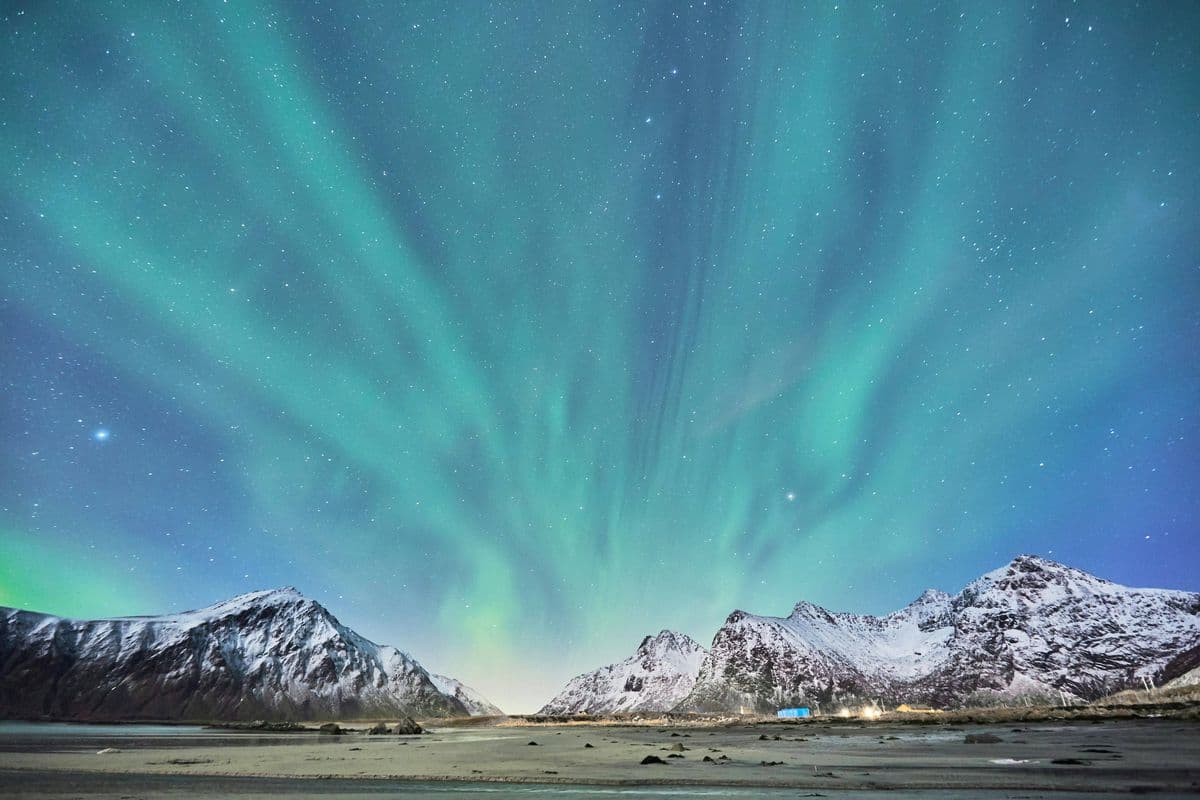
Seeing the aurora is the absolute ultimate bucket list item for most of us! But you don't just want to see the Northern Lights, you want to witness a genuine sky explosion, a swirling, vibrant light show that stops you cold. If you are dreaming of seeing the northern lights in Iceland, you have picked the absolute best year to start planning. Forget previous disappointment; 2025 is going to be your year. The cosmic conditions are lining up perfectly, making this upcoming period arguably the best time to see the aurora in over a decade. Get ready to swap your normal routine for rugged mountains and green-lit skies.
The Science is Settled: Why 2025 is Your Aurora Jackpot
Why are we so incredibly hyped about 2025? It all comes down to the big engine in the sky: the sun. The sun operates on a roughly 11-year cycle, peaking in intensity in what scientists call the "solar maximum." This maximum is when solar flares and coronal mass ejections are most frequent, essentially shooting massive bursts of energetic particles right into space. These particles, when they collide with Earth's atmosphere, are exactly what create the best, most dramatic aurora displays.
Experts confirm that 2025 is predicted to be the year that the peak solar cycle, or the maximum phase, is certainly beginning and intensifies right around then. This high-energy environment means your odds for seeing intense, colorful northern lights in Iceland in 2025 are exponentially higher than they were just a few years ago. This peak defines why it is, scientifically speaking, the best time to see northern lights in Iceland in 2025 specifically. You need this solar hyperactivity, and 2025 delivers it perfectly.
The Three Elements for a Successful Aurora
Remember that seeing the aurora requires three non-negotiable elements to align, and only one of them is luck:
- Solar Activity: The particles being hurled by the sun. (High in 2025, check!)
- Darkness: Absolutely crucial. The sky must be truly, deeply dark.
- Clear Skies: Zero cloud cover. You cannot see the aurora through the clouds, no matter how powerful the solar storm is.
The combination of the solar maximum (element one) and Iceland’s perfect latitude (element two) means your entire focus shifts to element three: getting away from the clouds and light pollution.
Timing is Everything: When to Hunt the Lights
People often ask, when can you see the northern lights in Iceland? The simplest answer is whenever it is dark enough. Iceland's latitude means the sun barely sets during June and July, making viewing impossible during the summer.
The Best Time of Year: Months of Darkness
This defined period of darkness directly impacts the northern lights in Iceland time of year. The prime aurora season runs for a long stretch, from the beginning of September right through the end of April. This extended dark period gives you plenty of opportunity.
If you are looking for the best month to see northern lights in Iceland, October and March often strike the perfect balance. Why? They offer intense darkness similar to mid-winter, but with slightly milder weather, making the waiting game much more bearable. However, any time from late September to early April offers serious potential.
Chasing the Twilight Zone
Can you see the northern lights in Iceland in August? While the aurora technically exists year-round, viewing in August is incredibly difficult because the nights are still quite short and twilight lingers long into the evening. While possible with a massive solar storm, late fall and early spring are generally considered the best time of year to see northern lights in Iceland for guaranteed dark skies.
The Perfect Time of Night
When you are actually out hunting, remember that the best activity usually happens when the Earth rotates to face the highest concentration of geomagnetic activity. We are looking for the northern lights in Iceland best time of the night, which is typically between 10:00 PM and 3:00 AM.
If you check the forecast and see high activity predicted for northern lights in Iceland tonight, plan to stay up late. Most people give up around midnight, but the most dramatic, colorful displays often peak in the deepest hours of the morning. Patience is key when you ask when to see the northern lights in Iceland.
The Strategy: Where to Position Yourself (And Why!)
The biggest challenge in Iceland is not the cold, but the clouds. Your strategy must focus on finding clear skies and eliminating light pollution. This is why the best place to see northern lights in Iceland is rarely a single spot, but rather a strategy that involves mobility.
Getting Out of Reykjavik
Reykjavík is convenient for your stay, but it is not the ideal viewing location. The city lights dull the color of the aurora significantly. To truly witness a stunning display, you absolutely need to drive out of the capital. Thankfully, even a 20-minute drive outside the city, toward the coastline or the Golden Circle, can make a huge difference.
- Grotta Lighthouse, Reykjavík: This is the closest, best spot near the city, but it will still be affected by light pollution. It's great for quick checks.
- The Golden Circle: This tourist circuit (including Þingvellir National Park) is easily accessible and offers numerous viewing spots away from settlement lights. It’s a great, safe place for first-timers to pull over and wait.
The South Coast Advantage
The area around the South Coast is often considered the best place to see northern lights in Iceland due to its accessibility and lack of major towns. The wide, open horizon, especially near Vík or the black sand beaches, provides an expansive canvas for the lights.
Further east, the area around the Jökulsárlón glacier lagoon and Diamond Beach offers a photographer's dream. Imagine the green and purple light reflecting off the icebergs. This is where your persistence truly pays off.
Chasing the Darkness North
For serious hunters, the North of Iceland is often the ultimate destination. The nights here are incredibly dark, and the weather patterns can be more stable than in the south.
- Lake Mývatn: The Mývatn region, with its volcanic landscapes and minimal population, offers exceptional darkness. This is a prime location for extended stays focused solely on aurora hunting.
- Akureyri: While a town, it is a great base for exploring the North, allowing easy access to the surrounding dark areas.
The Extreme Edge: Isolation
The most isolated spots, like the remote Westfjords or the central Highlands, offer truly pristine darkness. However, accessing these areas in deep winter is difficult and requires a four-wheel-drive vehicle and significant experience driving on icy roads. The reward is unparalleled darkness, but the risk is higher.
The Hunter's Toolkit: Practical Advice
Be Prepared to Wait
The aurora is shy, unpredictable, and rarely runs on schedule. You might wait three hours in the cold only to have the lights appear for two minutes and vanish. You might also drive five minutes from your hotel and see a performance that lasts all night. The key advice is simple: be patient, and be ready.
Dress for the Occasion
The Icelandic winter is not a joke. When you are standing still for hours waiting for the lights, the cold seeps into your bones quickly. You must dress warmly in layers: thermal base layers, wool sweaters, windproof and waterproof outer layers, heavy gloves, and a hat that covers your ears. Bring a thermos of hot cocoa or coffee; this is a waiting game, and the reward is worth the chill.
Check the Forecast Religiously
You must check two forecasts constantly:
- Cloud Cover Forecast: Crucial. If the sky is covered, you won't see anything. Use the Icelandic Met Office's aurora forecast page, which offers an excellent cloud map. Drive toward the clear spots.
- Kp-Index: This measures the geomagnetic activity (solar strength) on a scale of 0 to 9. A Kp-index of 3 or higher is good for a decent show, especially during the solar maximum period of 2025. If the forecast says clear skies and a high Kp, drop everything and get out there.
Your Transportation
Renting a vehicle is highly recommended. It gives you the mobility needed to escape clouds and light pollution, maximizing your chances. A four-wheel-drive vehicle is ideal, especially if you plan to visit the North or remote areas during the height of winter, ensuring your safety on potentially icy roads.
Conclusion: The Time is Now
The stars, the science, and the stunning Icelandic landscape are all aligning. 2025 offers a powerful, once-in-a-decade chance to witness the aurora at its most spectacular peak thanks to the solar maximum. By planning your trip during the dark northern lights in Iceland months between September and April, choosing the best time to see northern lights in Iceland, driving away from light pollution, and arming yourself with patience and thermal layers, you are maximizing your odds for an unforgettable experience. Don't let this peak solar cycle pass you by; this is your moment. Your incredible, green-draped adventure seeing the northern lights in Iceland is waiting for you right now.









