
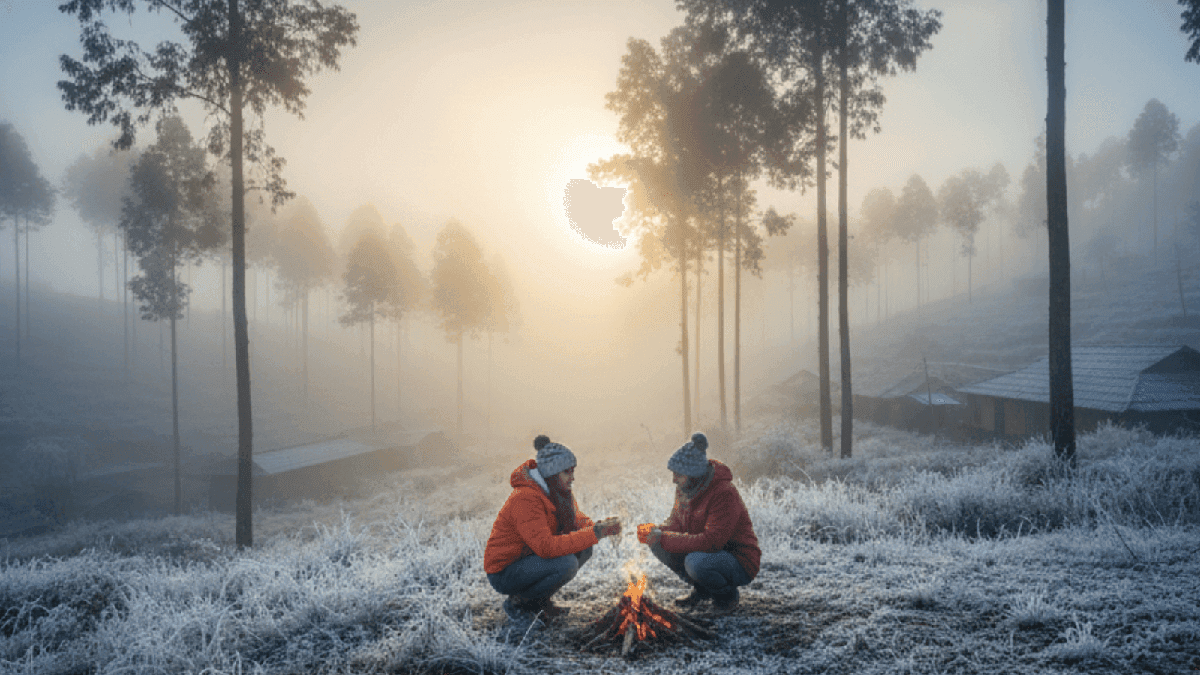
Lambasingi: The Only Village in South India Known for Snowfall
Lambasingi doesn’t announce itself loudly. There are no big signboards or flashy viewpoints. You realise something is different only when you step out early in the morning and feel the cold bite your fingers. The grass crunches under your shoes. Your breath shows. For South India, that alone feels unreal. This small village sits in Andhra Pradesh’s Visakhapatnam district, tucked into the Eastern Ghats at about 1,000 metres above sea level. Between December and January, temperatures drop to 0°C and sometimes lower. Locals call the place Korra Bayalu, loosely meaning “you’ll freeze if you sleep outside.” It sounds like an exaggeration until you spend a night there.
Why Do People Call It the “Kashmir of Andhra Pradesh”
The comparison comes up often, and not without reason. Early mornings in Lambasingi are quiet, grey, and cold in a way most people don’t expect this far south. Thick fog limits visibility to a few metres. Frost settles on rooftops, plants, and open fields. The village stays misty for most of the year, but winter changes the mood entirely. From November to January, the fog turns denser and colder. Nights are long and sharp. Some mornings feel colder than hill stations that are far more famous.
Does it Really Snow in Lambasingi?
Yes - but rarely. January 15, 2012 is still talked about. That morning, Lambasingi saw actual snowfall, not just frost. Locals remember rooftops dusted white and footprints staying visible for hours. It hasn’t happened often since. Most winters bring heavy frost instead of snow. Temperatures hover around freezing at night and rise to about 10–14°C during the day. Even without snowfall, the cold feels intense, especially for people coming from coastal cities like Chennai or Visakhapatnam. What surprises most visitors is the temperature swing. Days feel manageable. Nights don’t.
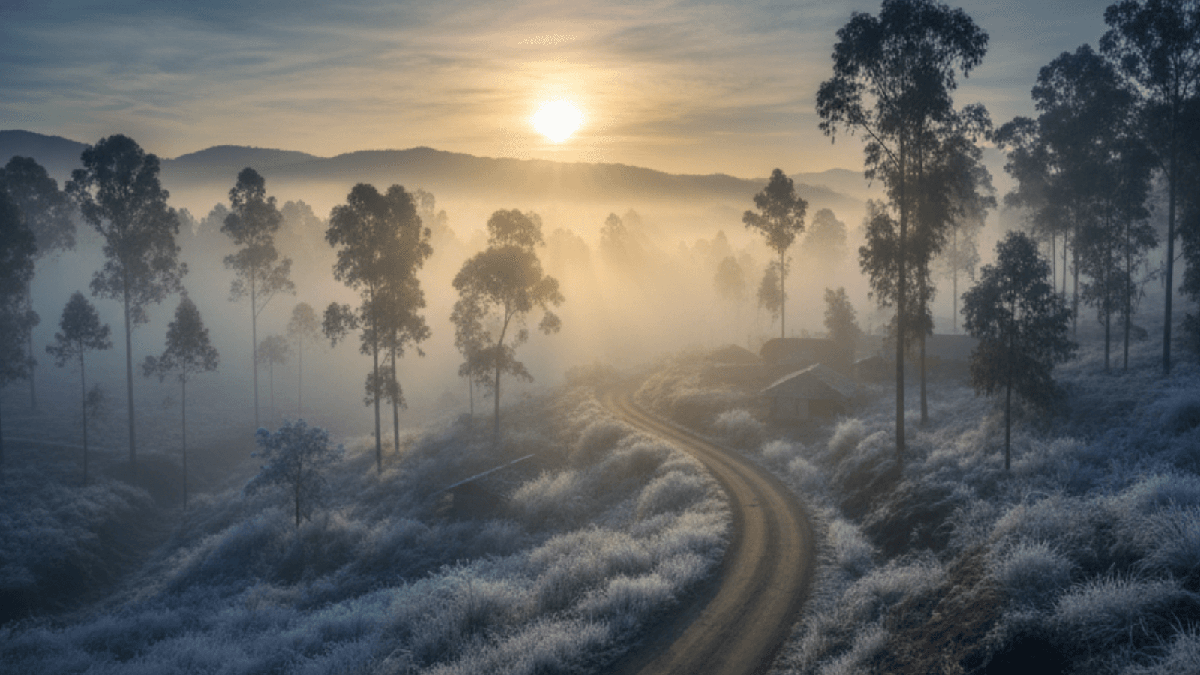
Why This Village Gets so Cold
Lambasingi’s geography does most of the work. The village sits in a shallow valley surrounded by forested hills. Cold air settles here and gets trapped. There’s no urban development, no concrete buildings storing heat, and very little human activity after sunset. A few reasons the cold hits harder here:
- Valley terrain that traps cold air
- Dense forest cover that blocks sunlight
- Elevation combined with isolation
- No city heat or traffic to warm the surroundings
The mist adds another layer. It clings to your skin, dampens clothes, and makes the cold feel sharper than the temperature numbers suggest.
What You Can Actually Do in Lambasingi
There isn’t much in the usual tourist sense, and that’s the point. The village itself is tiny. A few homes, small shops, plantations, and muddy roads. No cafés, no nightlife, no network in many spots. People come here for the weather and the stillness. Things most visitors end up doing:
- Camping overnight to experience the cold properly
- Sitting around bonfires after sunset
- Early morning walks through fog-covered plantations
- Stargazing (light pollution is almost zero)
Nearby places worth stopping at:
- Thajangi Reservoir (6 km away): Best seen early morning when mist rises off the water
- Kothapalli Waterfalls (27 km away): A quiet day trip through forest roads and plantations
Staying the Night
Accommodation is basic and limited. Your options are:
- Local homestays run by village families
- Camping with your own gear
- Occasionally, rented tents from nearby operators (not guaranteed)
There are no proper hotels or resorts. A government tourism resort has been proposed for years, but construction keeps getting delayed. For now, Lambasingi stays simple.
Getting There
The nearest major city is Visakhapatnam, about 107 km away.
- Visakhapatnam Airport is the closest airport
- Government buses run to Lambasingi, but schedules are limited
- Private taxis give more flexibility and are easier in foggy conditions
The drive takes 3–4 hours. Roads are narrow and winding, and winter fog can slow things down significantly. Visibility drops quickly, especially early morning and after sunset.
What to Pack (Don’t Underestimate This)
This isn’t a place where a light jacket will get you through the night. Temperatures drop sharply after sunset, and mornings can be icy. Carry these essentials:
- A proper winter jacket that can handle near-freezing temperatures
- Thermal base layers for overnight warmth
- Wool socks and gloves for early mornings
- A sleeping bag rated for cold conditions
- A torch or headlamp for low-visibility nights
- Enough food, water, and a basic first-aid kit
Frost makes paths slippery at dawn, and medical help is limited. Being prepared here isn’t optional - it makes the trip safer and more comfortable.
How It Compares to Other South Indian Hill Stations
Lambasingi stands apart mainly because of the temperature.
- Munnar: Cold mornings, occasional frost, but generally milder
- Ooty: Cool and foggy, minimums around 5–8°C
- Kodaikanal: Can dip to 4°C briefly, but rarely feels harsh
- Coorg: Pleasant and misty, rarely cold
Lambasingi is the only place in South India where freezing nights feel normal during peak winter.
The People Who Live Here
Tribal communities have lived in these hills for generations. They grow coffee and pepper on steep slopes using traditional methods. Many locals speak about colder winters in the past, with longer freezing periods and more frequent snow-like conditions. The coffee grown here is excellent, shaped by high elevation and cold nights. You can often buy it directly from families, freshly processed and far cheaper than city prices.
Photography Tips that Actually Work
The fog in Lambasingi is constantly on the move, rolling through valleys and across roads, which adds depth and mood to photos.
- Early mornings work best because the light is soft and evenly spread.
- Mist naturally diffuses sunlight, so harsh shadows are rare and colours look muted but rich.
- Eucalyptus trees create natural frames, especially when their pale trunks cut through thick fog.
- Phone cameras struggle with contrast in low light and mist-heavy scenes.
- If photography matters, a camera with manual controls helps manage exposure and focus far better.
Planning a trip like this is easier with Neomaxer. When you want stays that feel comfy and memorable, Neomaxer keeps the planning simple and reliable.









