
Kashmir Weather, Layers, Food & Travel Rhythm Guide
Cold air settles low in the valley before sunrise, sharp enough to wake you fully before your tea does. Once you notice how Kashmir’s weather sets the pace, the trip starts feeling calmer without trying.
How the Day Actually Feels on the Ground
Kashmir’s shoulder seasons (late March to early May, and September to October) follow a steady rhythm. Mornings sit close to freezing in higher areas and hover in single digits in Srinagar, while afternoons soften into clear, comfortable light. Locals plan errands late morning, not early, because the chill lifts slowly.
By noon, the sun feels generous rather than harsh. You can walk for hours without sweating, even with layers on. After sunset, the temperature drops fast again, often within thirty minutes, which changes how long you stay out and where you linger.
Dressing for Temperature Swings, Not Cold Alone
- Layering works better than heavy winter wear for most of the day
- A thermal base, breathable full-sleeve top, and light sweater cover daytime movement
- Keep a padded jacket or woollen coat for evenings and late nights
- Wool shawls are practical, not decorative, and used everywhere by locals
- A shawl works indoors, outdoors, in taxis, and during evening walks
- It adjusts quickly when the sun comes out and doesn’t trap excess heat
- Cotton feels comfortable in the afternoon but struggles in early mornings
- Wool blends, fleece, and light down stay comfortable across temperature shifts
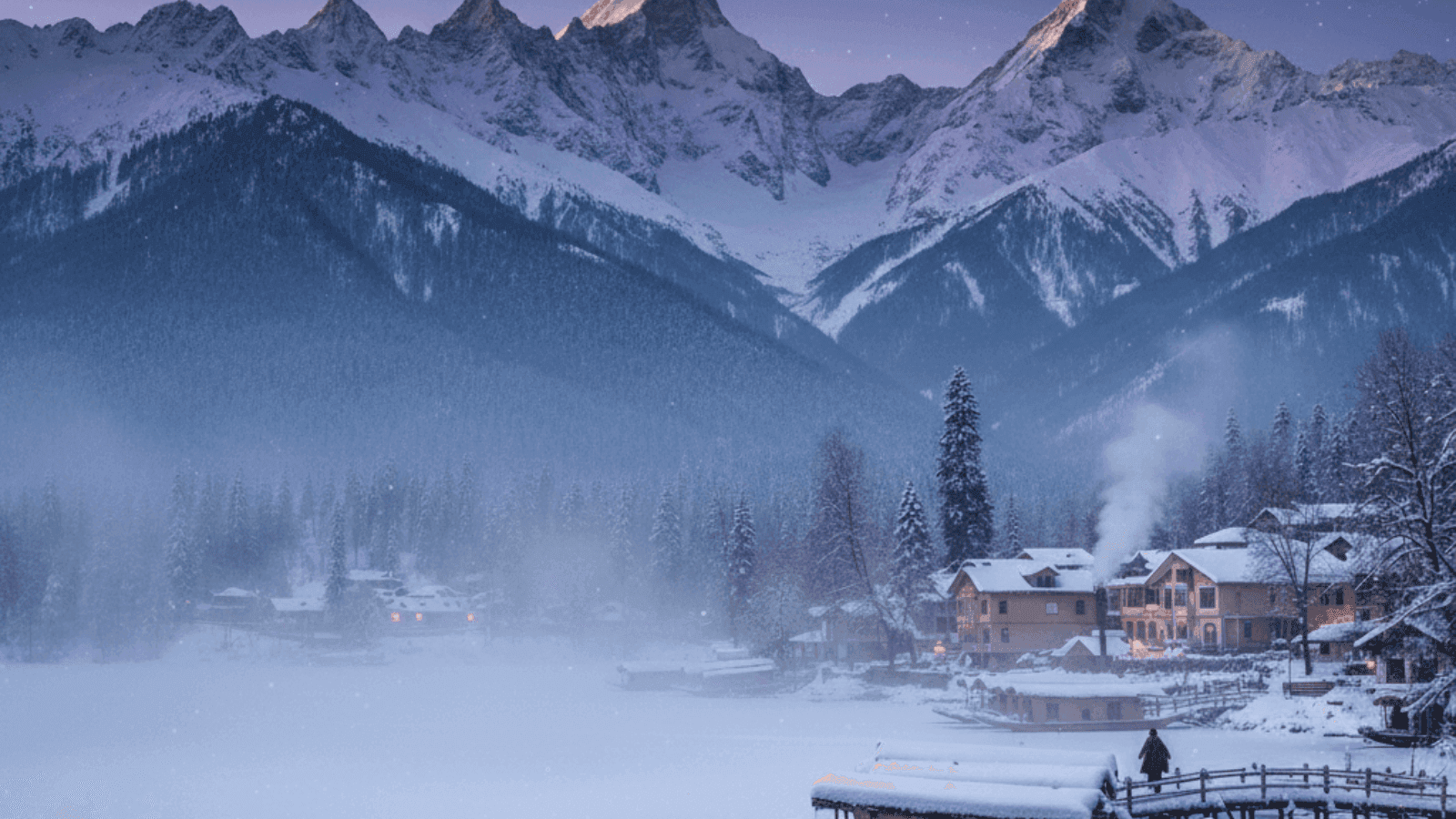
- Snow on distant peaks keeps the air cool even during spring afternoons

Footwear That Matches the Streets, Not the Photos
Kashmir’s roads look dry but hold moisture from melting frost. Shoes with grip matter more than insulation. Waterproof sneakers or ankle boots work across city walks, gardens, and short village trails.
Leather soles struggle on stone steps near shrines and houseboats. Locals avoid them. So should you. Thick socks help in the morning but often come off by afternoon, especially if you’re walking Dal Lake’s inner lanes.
Moving Through the Valley at the Right Pace
Early starts feel tempting, but they come with stiff fingers and slower transport. Shikara rides begin late morning for a reason. The lake settles after the cold loosens its grip.
Road travel improves after 9 am. Fog lifts, tyres warm, and drivers relax. If you’re heading toward Gulmarg or Pahalgam, the climb feels easier once the sun hits the road surface.
Evenings shorten plans. People step indoors earlier, cafés fill faster, and markets thin out by 7 pm. It’s not about safety alone. The cold makes stillness more appealing.
Staying Comfortable Indoors
Heating is uneven. Houseboats and older hotels rely on bukharis or room heaters that warm slowly. Mornings indoors can feel colder than outside until the sun reaches the windows.
Sleepwear matters. Light thermals or full-sleeve cotton with a shawl beat heavy nightwear. Blankets are thick, but the air stays cold near the floor.
Hot water follows schedules. Many places heat water twice a day, morning and evening. Planning showers around that rhythm avoids frustration.
Food That Matches the Weather
- Warm meals are about comfort and digestion, not indulgence
- Lunches are usually heavier because the body handles food better when warm
- Kahwa is used throughout the day to manage cold, not just after meals
- Locals sip it between tasks rather than treating it as a sit-down drink
- Early mornings favour bakery snacks over street food
- Cooler temperatures make frying slower, so oil-based snacks appear later
Safety Without Alarm
Weather shapes risk subtly. Icy patches form in shaded areas long after snow disappears. Walking slowly on bridges and stone steps is standard practice, not caution.
Sunburn happens despite the cold. Clear skies at altitude intensify exposure, especially around Gulmarg. Sunscreen feels unnecessary until it isn’t. Altitude fatigue blends with cold fatigue. People confuse the two. Hydration drops in colder air, which makes walks feel heavier than expected.
Emotional Rhythm of the Trip
The cold morning quiet changes how conversations start. Shops open slower. People speak softer until the day warms. By afternoon, the valley feels open. Gardens fill, streets loosen, and travel feels fluid. You linger longer without planning to.
Evenings pull inward. Rooms feel cozier. Stories stretch. The day doesn’t end with a checklist but with warmth becoming the priority again.
Planning Days Around Light
Sunlight, not clock time, becomes the anchor. Sightseeing fits best between late morning and late afternoon. Photography works best when shadows are long but hands aren’t numb. Locals wait for that window instinctively. When the light fades, the valley doesn’t ask you to do more. It asks you to slow down and sit where it’s warm. If you want to feel Kashmir at its real pace like slow mornings, warm afternoons, quiet evenings, where you stay matters. Neomaxer curates stays that fit the valley’s rhythm,









