
Japan When You Don’t Have to Fight the Crowds
Japan feels completely different when you’re not moving with a crowd. Streets sound clearer, trains feel spacious, and small moments stop rushing past you. This is the version of the country that shows up when timing, routes, and pace work together.
When to Visit Japan for Fewer Crowds
- Late May, early June, and most of November tend to slip past first-time itineraries. Golden Week ends by early May, summer school holidays don’t begin until late July, and domestic travel eases once autumn settles in.
- November, especially after peak foliage weekends, brings cool air, dependable rail schedules, and cities that move at their usual pace.
- January and February work well if cold weather is manageable. Snow country towns, regional temples, and onsen villages remain active while international visitor numbers drop sharply.
- The idea that Japan shuts down outside spring and autumn mostly reflects online travel habits rather than everyday reality.
How to Plan Routes Beyond Major Tourist Cities
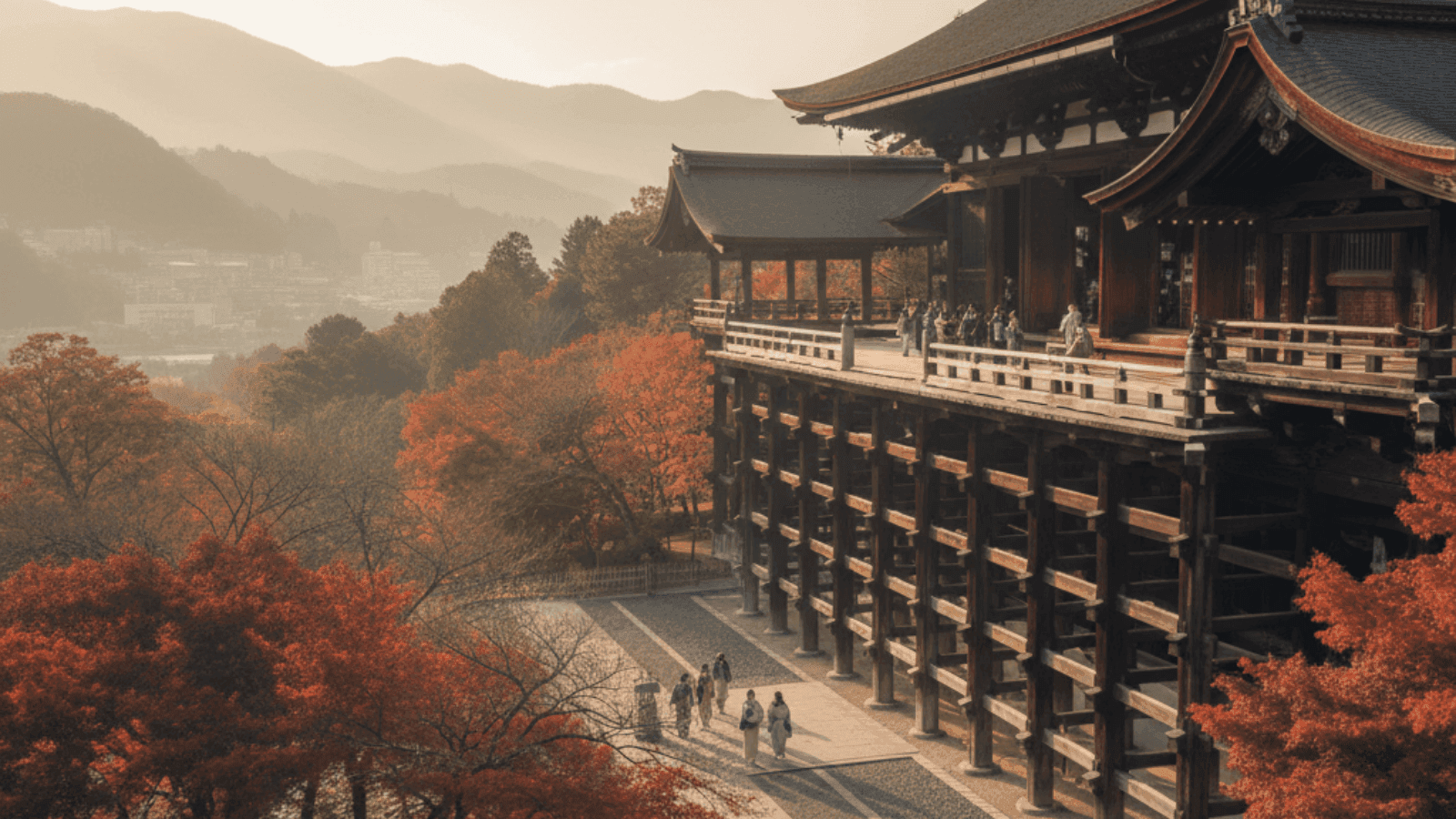
Kyoto does not need to be skipped, but it benefits from restraint. Two nights during the week, early starts, and afternoons spent outside the central temple circuit shift the experience noticeably.
Large cities work best when paired with quieter regions. Tokyo settles when followed by Kanazawa or Matsumoto. Osaka pairs well with Koyasan or Kurashiki. Hiroshima feels less rushed when extended into the Inland Sea, where smaller islands move at a slower pace without trying to compete for attention.
Local rail lines quietly shape calmer trips. Slower services, fewer transfers, and longer stretches of scenery reduce pressure and allow places to unfold without constant decision-making.

Why Early Mornings and Late Evenings Matter
Temples before 8 am feel like functioning spaces rather than attractions. Group tours operate on fixed schedules, and early entry removes much of that foot traffic without changing the place itself.
Urban neighbourhoods follow the same pattern. Tokyo between 7 and 9 am shows daily routines rather than performances. Cafes fill with regulars. Streets stay quiet. Shops open without urgency.
Late evenings shift the balance again. Smaller towns empty after dinner, while city neighbourhoods become more local once day-trippers leave. Walking without a plan works best when crowds have already thinned.
Choosing the Right Rail Pass for a Slower Trip
The national JR Pass no longer suits every itinerary. Regional passes often offer better value and naturally encourage a less rushed pace.
JR East passes work well for Nagano and Tohoku routes. JR West covers Kansai and Hokuriku without forcing tight connections. These passes reduce the urge to keep moving simply to justify cost.
Local trains, buses, and ferries play a bigger role than many expect. They are slower, less crowded, and woven into daily life. Allowing time for them changes how travel days feel.
What to Pack for Shoulder-Season Weather
- Japan’s quieter months come with fast-changing conditions. May and November can shift from warm afternoons to cold evenings within the same day.
- Flexible layering works better than packing for a single temperature. Light thermals, compact down jackets, and breathable outer layers cover most situations without excess weight.
- Shoes that handle both pavement and gravel make smaller towns, shrine paths, and uneven streets easier to navigate.
- Rain is rarely disruptive. Light drizzle reduces outdoor crowds and often improves the atmosphere in gardens, temple grounds, and older neighbourhoods.
Eating Well Without Waiting in Lines
Restaurants with short menus tend to cook for regulars rather than volume. These places often lack English signage and rarely appear in online rankings.
Department store basements offer reliable meals outside peak lunch and dinner hours. Mid-afternoon and early evening tend to be calm, with consistent quality and minimal waiting.
Standing bars near stations move quickly despite looking busy. People arrive, eat, and leave without lingering, keeping the pace light and efficient.
Where to Stay for Quieter Nights
Business hotels near secondary stations often provide calmer stays than boutique hotels in popular districts. These areas sit closer to residential neighbourhoods, with fewer tour groups and predictable evening routines.
Ryokan in smaller towns set the pace automatically. Dinner is served at a fixed time. Streets quiet down early. Mornings start without rush. This structure removes constant planning and keeps attention on the surroundings.
Staying two or three nights in one place allows habits to form. Once an area stops feeling temporary, everyday details become easier to notice. If Japan at a calmer pace, sounds right, Neomaxer helps you stay in places that match that rhythm.









