
Italy’s Alpine Towns Take the Spotlight During the Winter Olympics 2026
Where the Games Are Actually Happening
Cortina d'Ampezzo
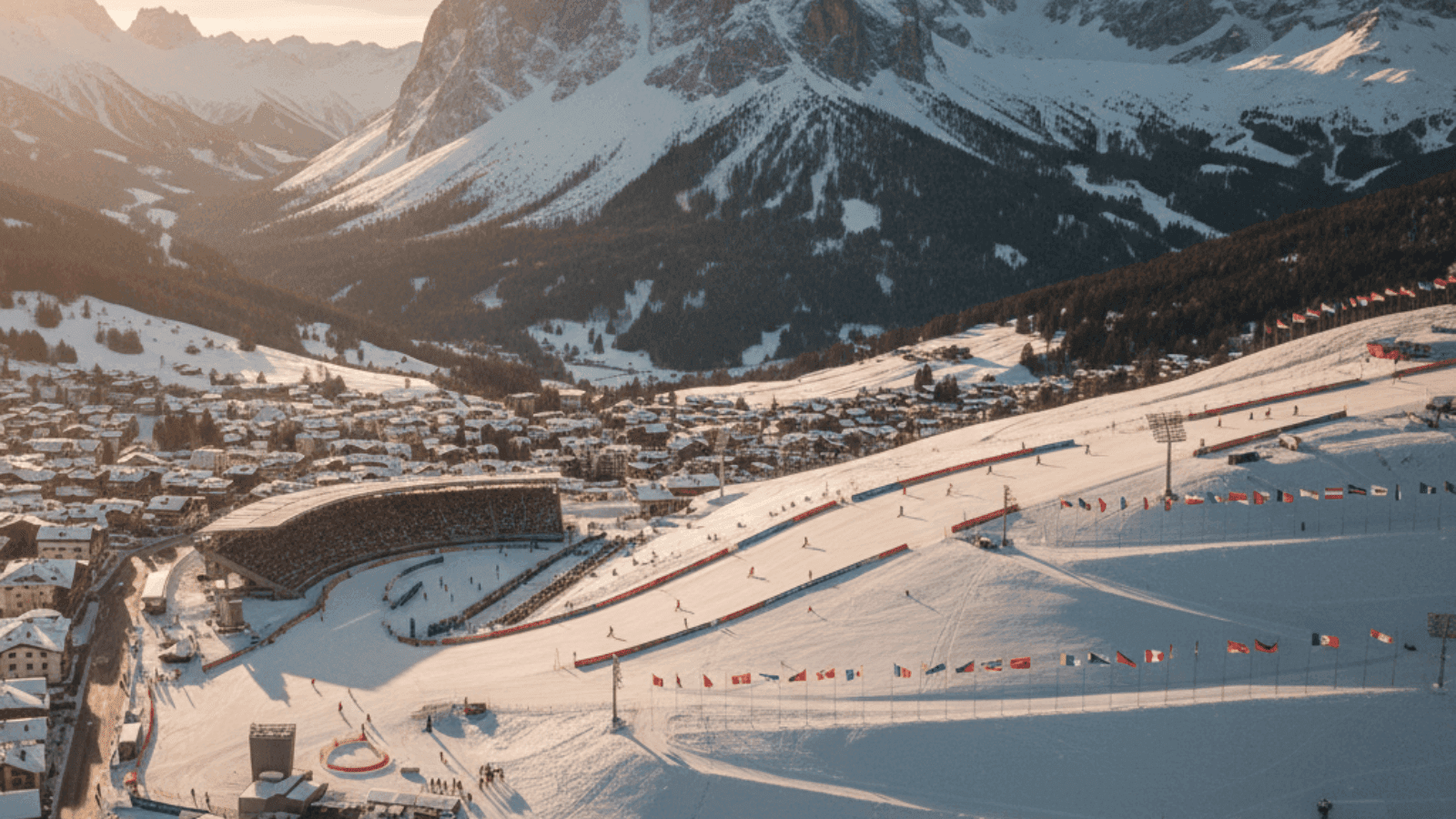
This is the emotional center of the Alpine events. Skiers will compete beneath the pale limestone faces of the Dolomites, and the town itself feels cinematic, with wood balconies, fur-lined windows, and cafés where people linger longer than planned.
Bormio
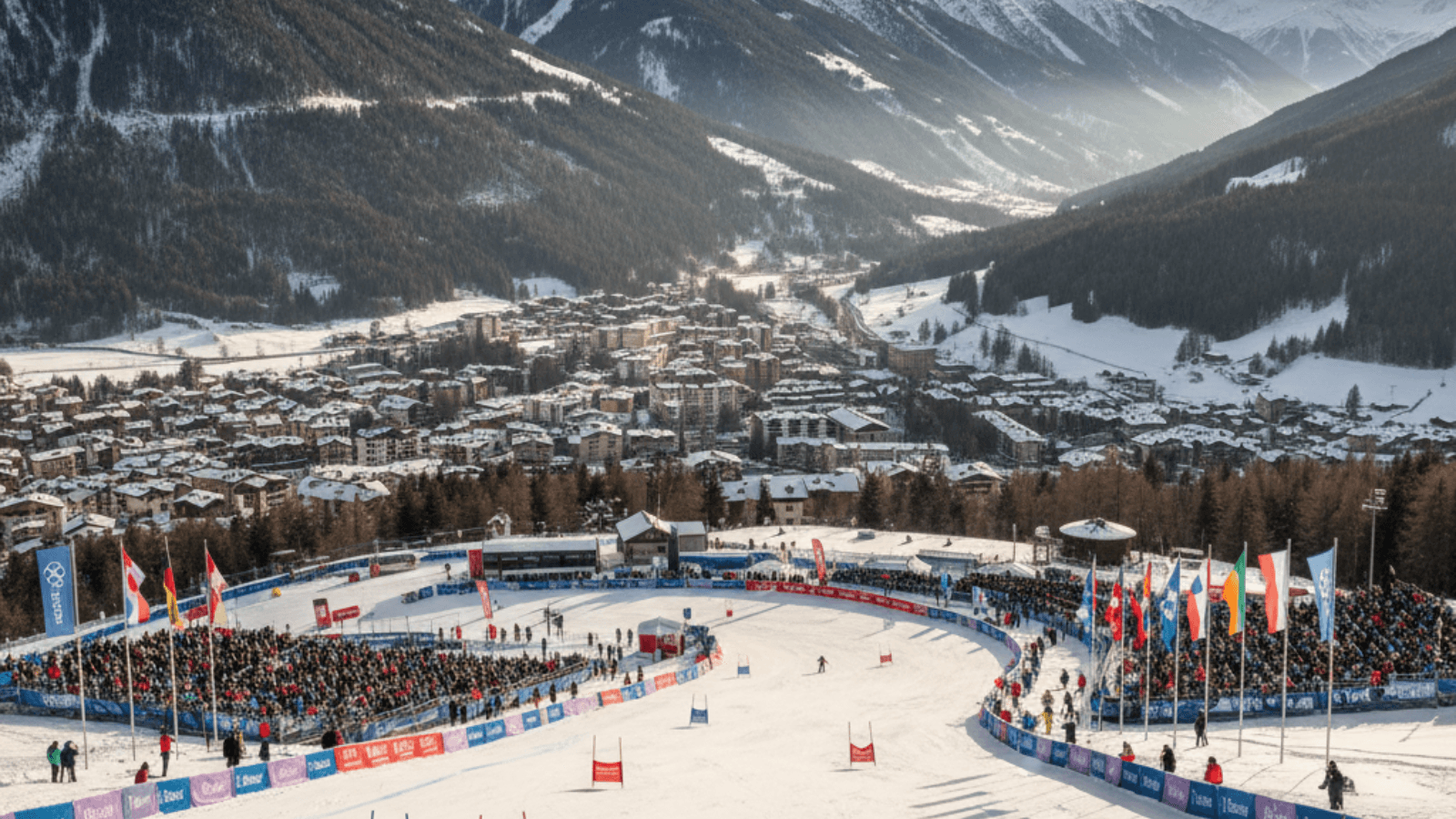
Known for the legendary runs off Stelvio Pass, Bormio brings serious racing history. The slopes here are steep, fast, and technical. Between events, the town slows down into thermal baths, quiet piazzas, and family-run trattorias.
Livigno
Livigno sits high and remote, close to the Swiss border. It has the relaxed energy of a ski town that grew without losing its roots. Snowboard and freestyle events fit naturally here, surrounded by open valleys and wide sky.
Val di Fiemme
This valley has hosted Nordic competitions for decades. Cross-country trails stretch through forests that stay silent even when crowds gather, and small villages here still feel deeply local.
Milan
The opening ceremony and indoor events bring the Olympics into a major city. Milan balances fashion, architecture, and Olympic spectacle without forcing them together.
These locations are spread across northern Italy, connected by scenic train routes and mountain roads that make the journey part of the experience.
What Not to Miss Between Events
- Cable car rides above Cortina - Even non-skiers can ride up for views that stretch across jagged peaks and frozen valleys.
- Thermal spas in Bormio - Warm mineral water outdoors while snow falls quietly around you.
- Evening walks through Livigno’s village center - Soft yellow lights, wooden storefronts, and the smell of fresh bread from small bakeries.
- Nordic trails in Val di Fiemme - Long, flat routes that let you move through forests without needing advanced skill.
- Train journeys from Milan into the Alps - The transition from urban skyline to mountain silence happens faster than expected.
How to Plan Your Route Between Milan and the Mountains
Most travelers arrive through Milan’s airports, which are well connected to Europe and beyond. From there, trains run toward towns like Verona, Bolzano, and Tirano, with bus or car connections finishing the journey.
Driving gives more flexibility, especially if you want to move between multiple Olympic locations. Roads are maintained carefully during winter, but snow tires are essential and weather can shift quickly. Staying in one base town and taking day trips works better than constantly moving hotels. Cortina and Bormio both offer strong access to multiple event locations and scenic areas.
Booking early matters more here than in typical ski seasons. Olympic demand affects even smaller villages.
What to Pack for Alpine Olympic Travel
Winter in the Italian Alps is cold without feeling harsh, but preparation changes everything. Layering works best. Thermal base layers, sweaters, and a weatherproof outer jacket handle most conditions. Gloves, scarves, and proper winter boots matter more than heavy coats, especially when walking between venues.
Sunglasses are essential. Alpine sun reflecting off snow creates brightness that catches people off guard.
A small backpack helps carry layers, snacks, and water during long days outdoors. Formal clothing is rarely necessary. Even high-end restaurants maintain a relaxed mountain style.
How Many Days You Actually Need
Five to seven days allows enough time to see at least two mountain regions and Milan without rushing. Three days in the mountains gives space for both Olympic events and slower exploration. One or two days in Milan adds contrast with its historic buildings, cafés, and Olympic venues.
Travel between towns takes longer than maps suggest. Mountain distances feel different, and the slower pace becomes part of the rhythm. Some travelers will stay longer simply because leaving feels unnecessary.
What to Keep in Mind Before Booking
Olympic infrastructure improves access, but these are still mountain towns first. Accommodation ranges from luxury hotels to small guesthouses, and the smaller places often provide the most memorable stays.
Weather can delay travel plans. Flexibility matters more than strict itineraries. Public transport works well, but combining trains with short car rentals opens more remote areas.
English is widely spoken in tourist areas, but simple Italian phrases change interactions in small towns. Event tickets are only one part of the experience. Time between events often becomes the part people remember most.
If you want to stay close to these Olympic towns and enjoy the rhythm of Alpine life, Neomaxer curates stays that place you right where the mountains and events come together naturally.









